The field of AI robotics is advancing rapidly, leading to innovations that are transforming industries and daily life. As we move through 2026, the convergence of artificial intelligence and robotics is creating new opportunities for automation, efficiency, and intelligence in machines. This article will explore the leading trends shaping AI robotics today, providing insights into their applications, benefits, and implications for the future.
Understanding AI Robotics
AI robotics combines artificial intelligence with robotic systems to enhance their capabilities. This integration allows robots to perform tasks autonomously, make decisions based on data, and interact with their environment in intelligent ways. The growth of AI robotics is driven by advancements in machine learning, sensor technology, and computational power.
The Role of Machine Learning
Machine learning algorithms enable robots to learn from experience and adapt to new information. For instance, a robot used in manufacturing can analyze production data to optimize its workflow, leading to increased productivity. This capability is not limited to industrial applications; service robots in healthcare can learn from patient interactions to provide better care.
Sensor Technology Advancements
Modern robots are equipped with sophisticated sensors that allow them to perceive their environment. These sensors can detect obstacles, identify objects, and even analyze human emotions. For example, robots in retail settings use cameras and sensors to track customer behavior and improve the shopping experience.
Top Trends in AI Robotics for 2026
The landscape of AI robotics is continuously evolving, with several key trends emerging in 2026. These trends reflect the industry's response to technological advancements and changing consumer demands.
1. Collaborative Robots (Cobots)
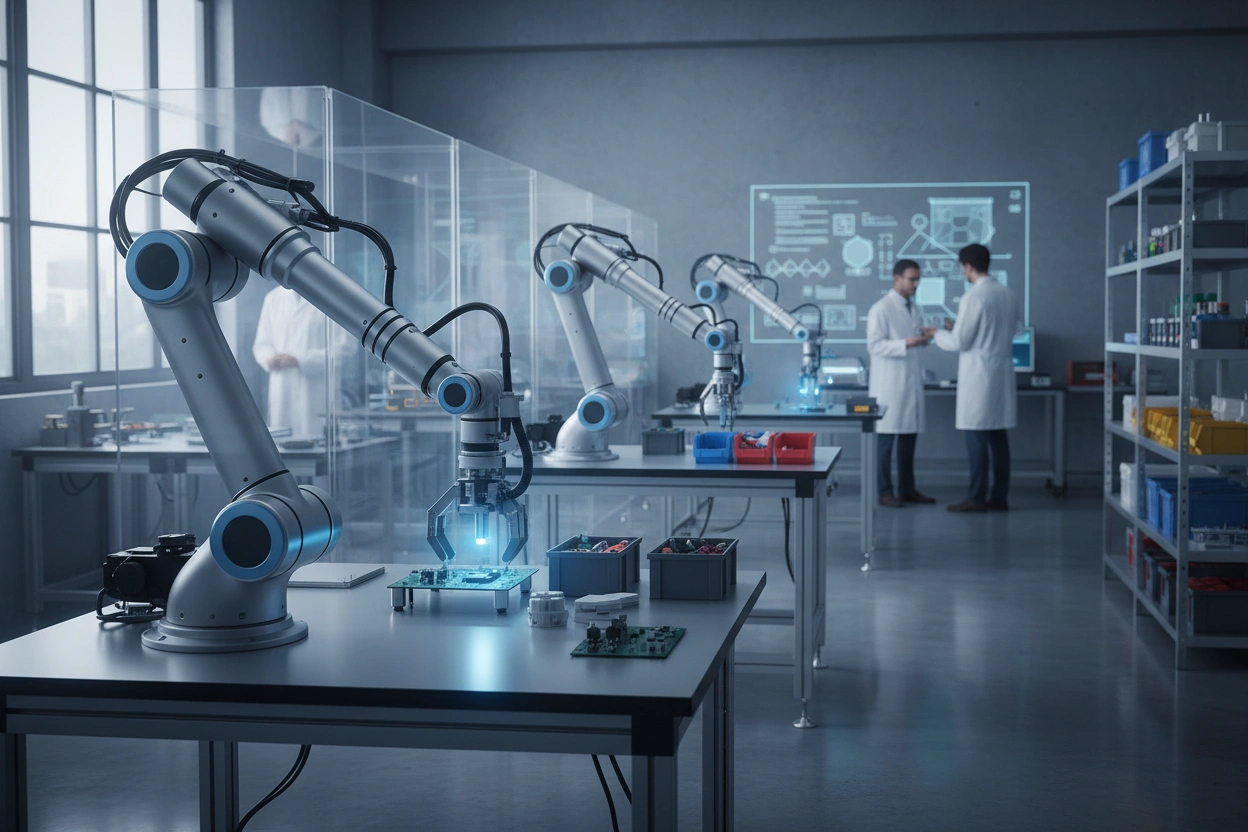
Collaborative robots, or cobots, are designed to work alongside humans, enhancing productivity and safety. They are equipped with advanced sensors and AI algorithms that allow them to recognize human presence and adjust their actions accordingly. Cobots are increasingly used in manufacturing, logistics, and even healthcare.
- Cobots can handle repetitive tasks, freeing human workers for more complex activities.
- Their safety features enable them to operate in close proximity to people without posing a risk.
- Industries are adopting cobots to improve efficiency and reduce labor costs.
2. AI-Driven Predictive Maintenance
Predictive maintenance powered by AI is revolutionizing how industries manage equipment. By analyzing data from sensors and historical performance, AI systems can predict when a machine is likely to fail, allowing for timely maintenance.
- This approach minimizes downtime and reduces repair costs.
- Companies can optimize maintenance schedules based on real-time data rather than fixed intervals.
- Industries such as manufacturing and transportation are seeing significant improvements in operational efficiency.
3. Enhanced Human-Robot Interaction
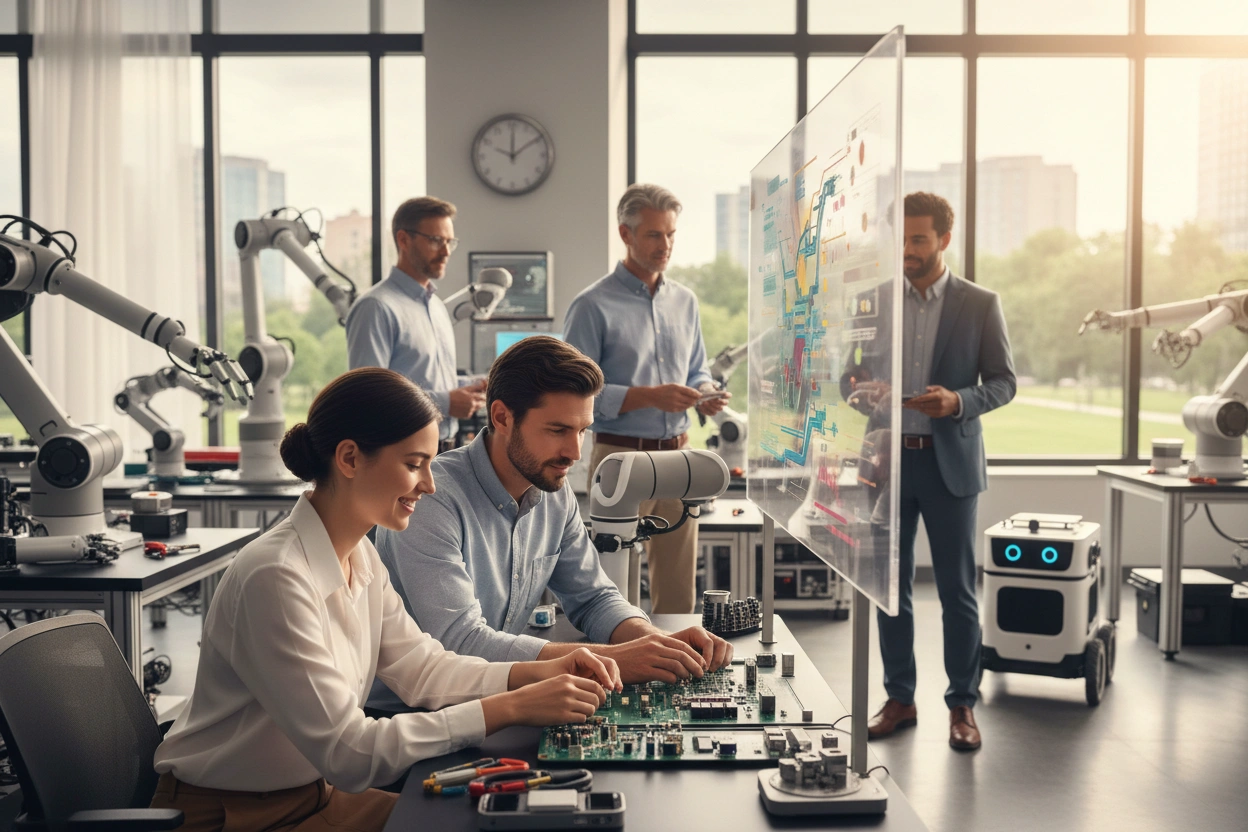
The interaction between humans and robots is becoming more intuitive, thanks to advancements in natural language processing (NLP) and machine learning. Robots can now understand and respond to human commands more effectively, making them more user-friendly.
- Robots equipped with NLP can engage in conversations, providing assistance in customer service roles.
- Improved interaction systems enhance user experience and increase adoption rates.
- The healthcare sector is leveraging this technology to create more interactive patient care robots.
4. Autonomous Delivery Systems
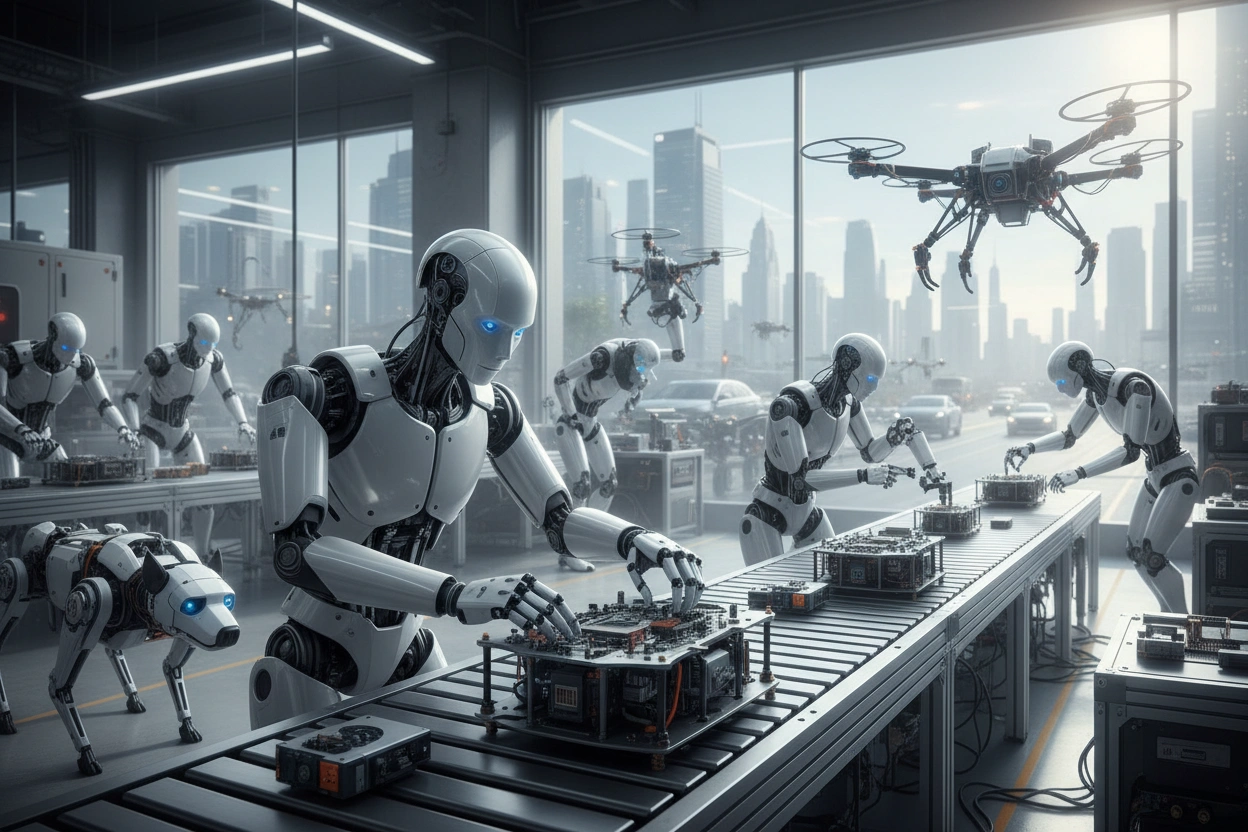
The demand for autonomous delivery systems has surged, driven by e-commerce growth and the need for contactless delivery options. AI robotics is at the forefront of this trend, enabling robots and drones to navigate urban environments and deliver goods efficiently.
- Companies are deploying delivery robots to manage last-mile logistics, reducing delivery times.
- These systems utilize AI for route optimization and obstacle avoidance.
- The rise of autonomous delivery is changing the logistics landscape and consumer expectations.
5. AI in Agriculture Robotics
Agriculture is experiencing a technological revolution, with AI robotics playing a critical role in improving crop yields and farming efficiency. Robots are used for tasks such as planting, harvesting, and monitoring crops.
- AI-powered drones can analyze crop health and provide actionable insights to farmers.
- Autonomous tractors equipped with AI can optimize planting and harvesting schedules.
- This technology is helping to address global food security challenges by increasing agricultural productivity.
Addressing Common Misconceptions
Despite the advancements in AI robotics, several misconceptions persist regarding their capabilities and implications.
Misconception: AI Robotics Will Replace Human Jobs
One prevalent belief is that AI robotics will lead to massive job losses. While it is true that some roles may be automated, the reality is more nuanced. Many jobs are evolving rather than disappearing, as AI robotics often takes over repetitive tasks, allowing human workers to focus on higher-value activities that require creativity and critical thinking.
Misconception: AI Robotics is Only for Large Enterprises
Another misconception is that AI robotics is only applicable to large companies with substantial resources. In reality, advancements in technology have made robotics more accessible to small and medium-sized enterprises. Affordable robotic solutions are now available for various applications, enabling businesses of all sizes to benefit from automation.
The Future of AI Robotics
As we look ahead, the future of AI robotics is promising, characterized by continuous innovation and integration across sectors. Here are some predictions for the coming years:
Increased Integration with IoT
The Internet of Things (IoT) will play a vital role in the future of AI robotics. With more devices connected, robots will have access to vast amounts of data, allowing them to make more informed decisions and operate more efficiently. For example, a robotic system in a smart factory can communicate with other machines to optimize production processes.
Advancements in Ethical AI
As AI robotics becomes more prevalent, ethical considerations will take center stage. Developers and companies will need to address issues related to bias, privacy, and accountability in AI systems. Establishing ethical guidelines will be essential to ensure the responsible deployment of AI robotics.
Expansion into New Markets
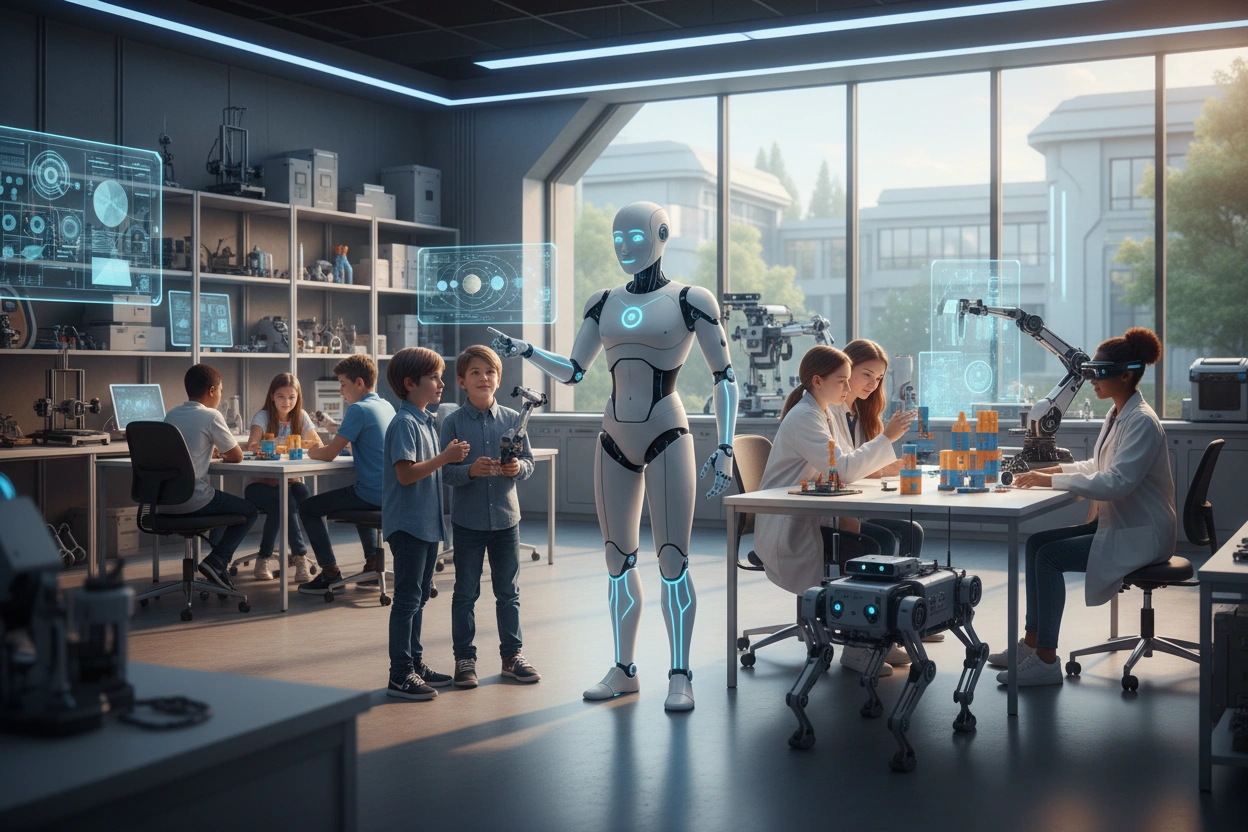
AI robotics is set to expand into new markets, including education and home automation. Educational robots can assist teachers by providing personalized learning experiences, while home automation robots can enhance convenience and security for consumers. This diversification will create new opportunities for innovation and growth.
The Impact of AI Robotics on Society
The influence of AI robotics extends beyond industries; it has the potential to reshape societal norms and interactions. For instance, as robots become more integrated into daily life, they may change how people perceive work, leisure, and social interaction.
- Increased reliance on robots could lead to shifts in job training and education, emphasizing skills that complement automation.
- The ethical implications of AI robotics will require society to engage in discussions about technology's role in our lives.
The Path Forward with Outer Edge
As AI robotics continues to evolve, it is essential for tech entrepreneurs, startup founders, and innovation leaders to stay informed about the latest trends and technologies shaping this field. At Outer Edge, we are committed to providing insights and resources that can help you navigate the complexities of AI robotics and leverage its potential for your ventures.
By understanding the innovations and trends discussed in this article, you can position yourself at the forefront of the AI robotics revolution. For personalized guidance and support, reach out to us.
Connect with Outer Edge
To learn more about how AI robotics can impact your business or to explore innovative solutions tailored to your needs, contact Outer Edge today. Our team is here to assist you in harnessing the power of technology for a brighter future.



.svg)




.png)


