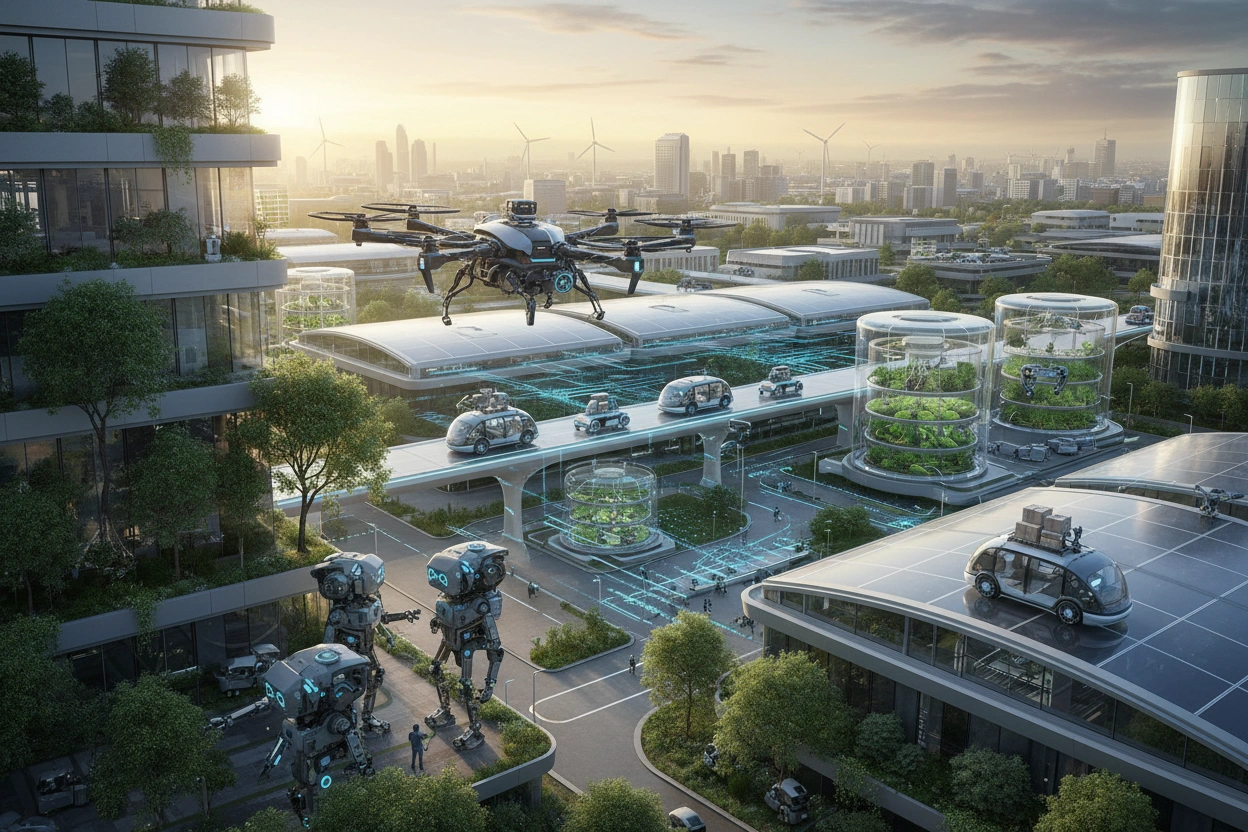
In today's rapidly evolving technological landscape, AI robotics has emerged as a transformative force, particularly in the development of smart city infrastructure. The integration of artificial intelligence with robotics is enabling cities to become more efficient, sustainable, and responsive to the needs of their citizens. As we delve into the applications of AI robotics in urban environments, it is crucial to understand the current trends and how they shape the future of urban living.
The year 2026 is witnessing significant advancements in AI robotics, and the implications for urban infrastructure are profound. From automated traffic management to waste disposal systems, AI robotics is revolutionizing how cities operate. This article will explore the top trends in AI robotics for 2026, offering insights into the technologies that are reshaping our urban spaces and providing actionable strategies for implementation.
Understanding AI Robotics in Smart Cities
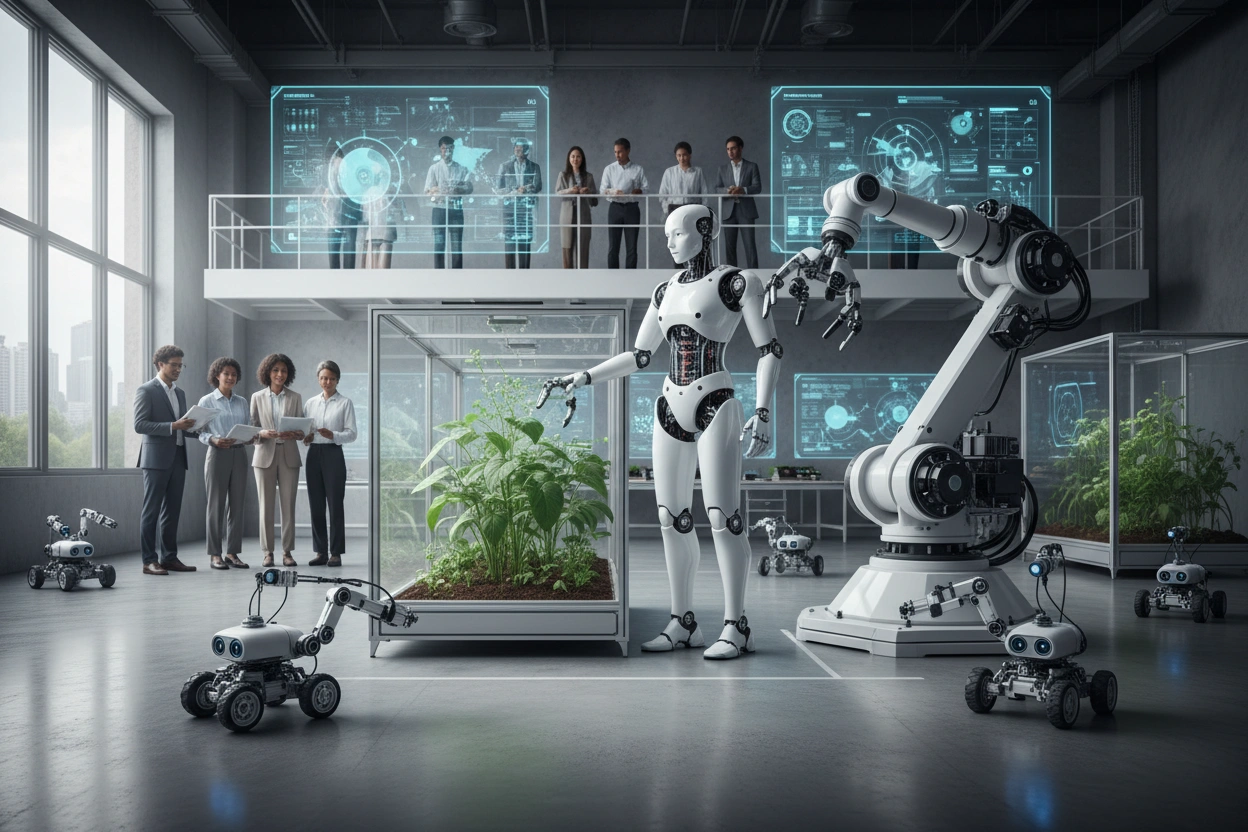
AI robotics refers to the use of artificial intelligence technologies in robotic systems to automate tasks, enhance efficiency, and improve decision-making processes. In the context of smart cities, AI robotics is applied in various sectors, including transportation, public safety, environmental management, and urban planning. By leveraging AI algorithms, these robotic systems can analyze vast amounts of data, learn from their environments, and adapt to changing conditions.
The significance of AI robotics in smart city infrastructure cannot be overstated. With urban populations projected to increase significantly in the coming years, the pressure on city resources and infrastructure will intensify. AI robotics offers solutions to manage these challenges effectively, enhancing the quality of life for residents while promoting sustainability.
Key Applications of AI Robotics
Traffic Management Systems
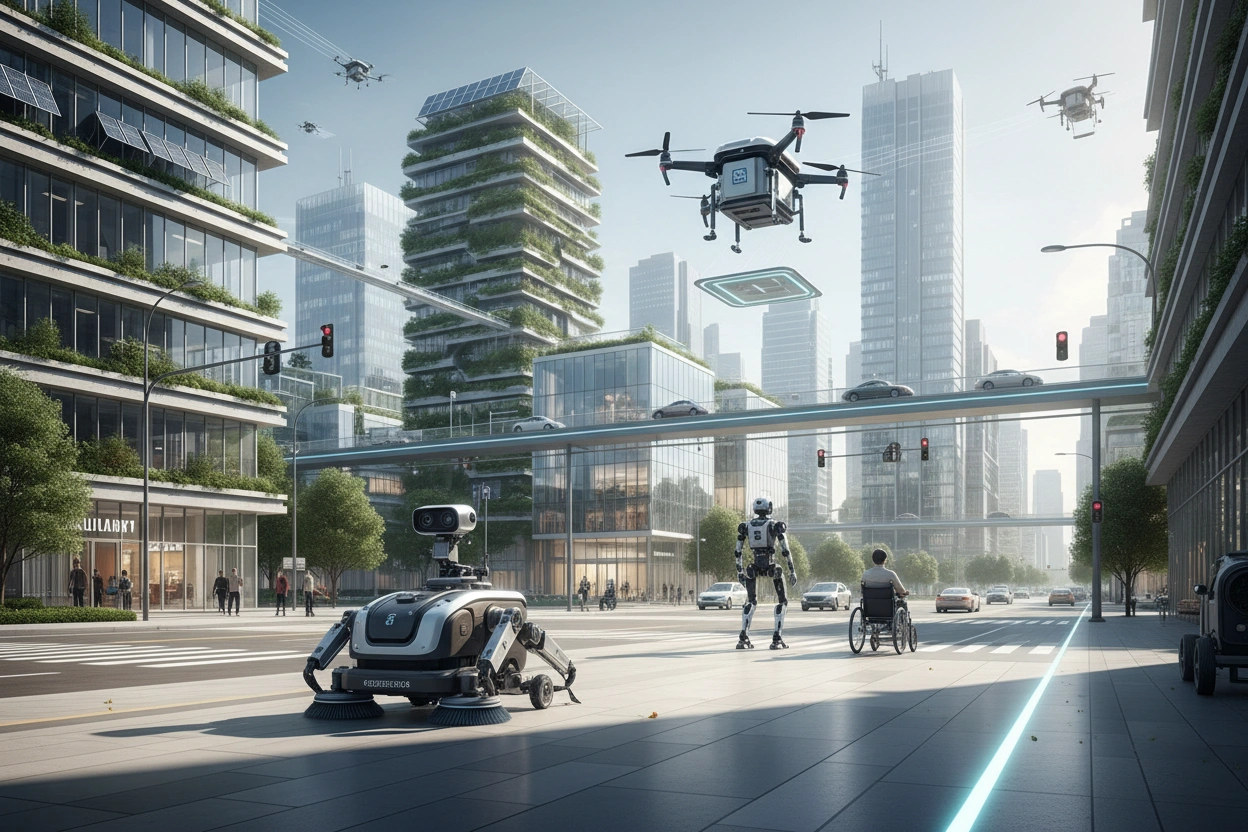
AI robotics is being utilized to develop intelligent traffic management systems that optimize vehicle flow and reduce congestion. These systems use sensors and cameras to gather real-time data, which is then processed by AI algorithms to adjust traffic signals and manage lane usage dynamically. For instance, cities like Los Angeles have implemented AI-driven traffic lights that adapt to real-time conditions, significantly improving traffic flow.
Public Safety and Surveillance
Robotics integrated with AI technologies are enhancing public safety in urban environments. Drones equipped with AI capabilities can monitor public spaces, providing real-time surveillance and enabling quicker responses to emergencies. Additionally, robotic patrols are being deployed in high-crime areas to deter criminal activities and provide assistance to law enforcement agencies.
Waste Management
AI robotics is transforming waste management by automating collection processes and optimizing routes. Smart bins equipped with sensors can detect fill levels and communicate with collection vehicles, ensuring efficient waste pickup. Cities like Singapore are leading the way with robotic waste collection systems that minimize human intervention and improve operational efficiency.
Top Trends in AI Robotics for 2026
As we explore the future of AI robotics, several key trends are emerging that will shape urban infrastructure and enhance the functionality of smart cities. Understanding these trends is essential for city planners, policymakers, and technology developers.
1. Autonomous Vehicles and Public Transport
The integration of AI robotics in public transport systems is set to revolutionize urban mobility. Autonomous vehicles, including buses and shuttles, are being tested in various cities. These vehicles utilize AI algorithms to navigate complex urban environments, improving safety and efficiency. For instance, the city of Austin is piloting autonomous shuttle services that connect residents with public transport hubs.
2. AI-Driven Infrastructure Monitoring
AI robotics is increasingly being employed for infrastructure monitoring and maintenance. Drones and robotic systems equipped with AI can inspect bridges, roads, and buildings, identifying structural issues before they become critical. This proactive approach to maintenance not only enhances public safety but also reduces repair costs. Cities like Tokyo are utilizing AI-driven drones for regular infrastructure assessments, ensuring timely interventions.
3. Smart Energy Management
The future of AI robotics also includes advancements in energy management within smart cities. AI systems are being designed to optimize energy consumption in buildings and public spaces. For example, AI robotics can analyze energy usage patterns and adjust lighting, heating, and cooling systems accordingly, leading to significant energy savings. This trend is becoming increasingly relevant as cities aim to reduce their carbon footprints and promote sustainability.
4. Enhanced Citizen Engagement
AI robotics is facilitating greater citizen engagement in urban planning and governance. Chatbots and virtual assistants powered by AI can provide residents with information about city services, respond to queries, and gather feedback. This technology allows for more transparent communication between city officials and residents, fostering a sense of community involvement. Cities like Barcelona are leveraging AI-driven platforms to enhance citizen participation in decision-making processes.
5. Resilience and Disaster Response
In the face of climate change and natural disasters, AI robotics is playing a crucial role in enhancing urban resilience. Robotic systems can be deployed for disaster response, providing real-time data and assistance during emergencies. For instance, AI-powered drones can assess damage after a natural disaster, guiding first responders to areas that need immediate attention. This capability is vital for cities prone to disasters, as it improves response times and resource allocation.
Common Misconceptions About AI Robotics in Smart Cities
Despite the promising advancements in AI robotics, there are several misconceptions that can hinder its adoption in urban infrastructure. Addressing these misconceptions is essential for fostering a better understanding of AI robotics and its potential benefits.
Misconception 1: AI Robotics Will Replace Human Jobs
One of the most prevalent misconceptions is that AI robotics will lead to widespread job losses. While it is true that automation can displace certain jobs, it also creates new opportunities in technology development, maintenance, and oversight. Moreover, AI robotics is designed to complement human workers, allowing them to focus on higher-level tasks that require creativity and critical thinking.
Misconception 2: AI Robotics Is Too Expensive
Another common belief is that implementing AI robotics in urban infrastructure is prohibitively expensive. While initial investments may be significant, the long-term savings and efficiency gains often outweigh the costs. For instance, cities that have adopted AI-driven traffic management systems have reported substantial reductions in congestion-related costs, making the investment worthwhile.
Misconception 3: AI Robotics Is Only for Large Cities
Many assume that AI robotics is only applicable in large metropolitan areas. However, smaller cities and towns can also benefit from these technologies. Tailored solutions can be developed to meet the specific needs of smaller communities, enhancing their infrastructure and improving the quality of life for residents.
Actionable Insights for Implementing AI Robotics in Smart Cities
To successfully integrate AI robotics into urban infrastructure, city planners and decision-makers should consider the following actionable insights:
Conduct Comprehensive Feasibility Studies
Before implementing AI robotics solutions, conduct thorough feasibility studies to assess the specific needs and challenges of the urban environment. This will ensure that the chosen solutions align with the city's goals and infrastructure capabilities.
Foster Public-Private Partnerships
Collaborating with technology companies can facilitate the development and implementation of AI robotics solutions. Public-private partnerships can provide the necessary expertise and resources to drive innovation in smart city projects.
Invest in Training and Education
As AI robotics becomes more prevalent, investing in training programs for city staff and stakeholders is essential. This ensures that personnel are equipped with the skills needed to manage and maintain AI robotics systems effectively.
Prioritize Citizen Engagement
Involve citizens in the planning and implementation process of AI robotics projects. Gathering feedback and addressing concerns can foster community support and enhance the effectiveness of AI solutions.
Monitor and Evaluate Outcomes
After implementing AI robotics solutions, continuously monitor and evaluate their performance. This will provide valuable insights into their effectiveness and help identify areas for improvement.
The Future of AI Robotics in Urban Infrastructure
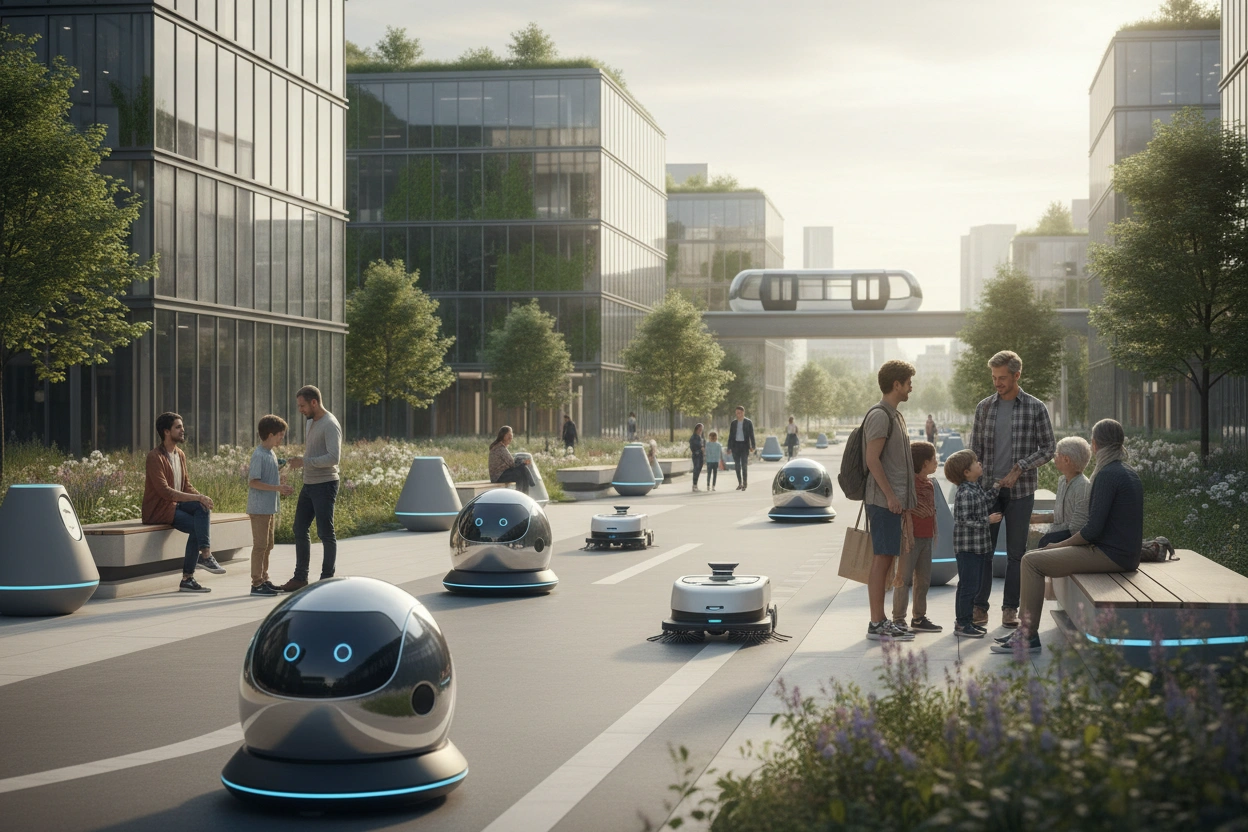
As we look ahead, the future of AI robotics in urban infrastructure appears promising. The technology is set to continue evolving, with advancements in machine learning, data analytics, and sensor technologies driving new applications. By embracing these innovations, cities can create more efficient, sustainable, and resilient environments that enhance the quality of life for all residents.
The Role of Outer Edge in Advancing AI Robotics
The integration of AI robotics into smart city infrastructure is not just a trend; it is a necessity for the future of urban living. As cities strive to become more intelligent and responsive, the expertise and resources provided by Outer Edge can play a crucial role in this transformation. By leveraging cutting-edge technologies and innovative solutions, Outer Edge is committed to helping cities navigate the complexities of AI robotics and implement effective strategies for urban development.
To explore how Outer Edge can assist in your city’s AI robotics initiatives, visit Outer Edge or contact Outer Edge for more information. Together, we can pave the way for a smarter, more connected urban future.


.svg)





.png)


