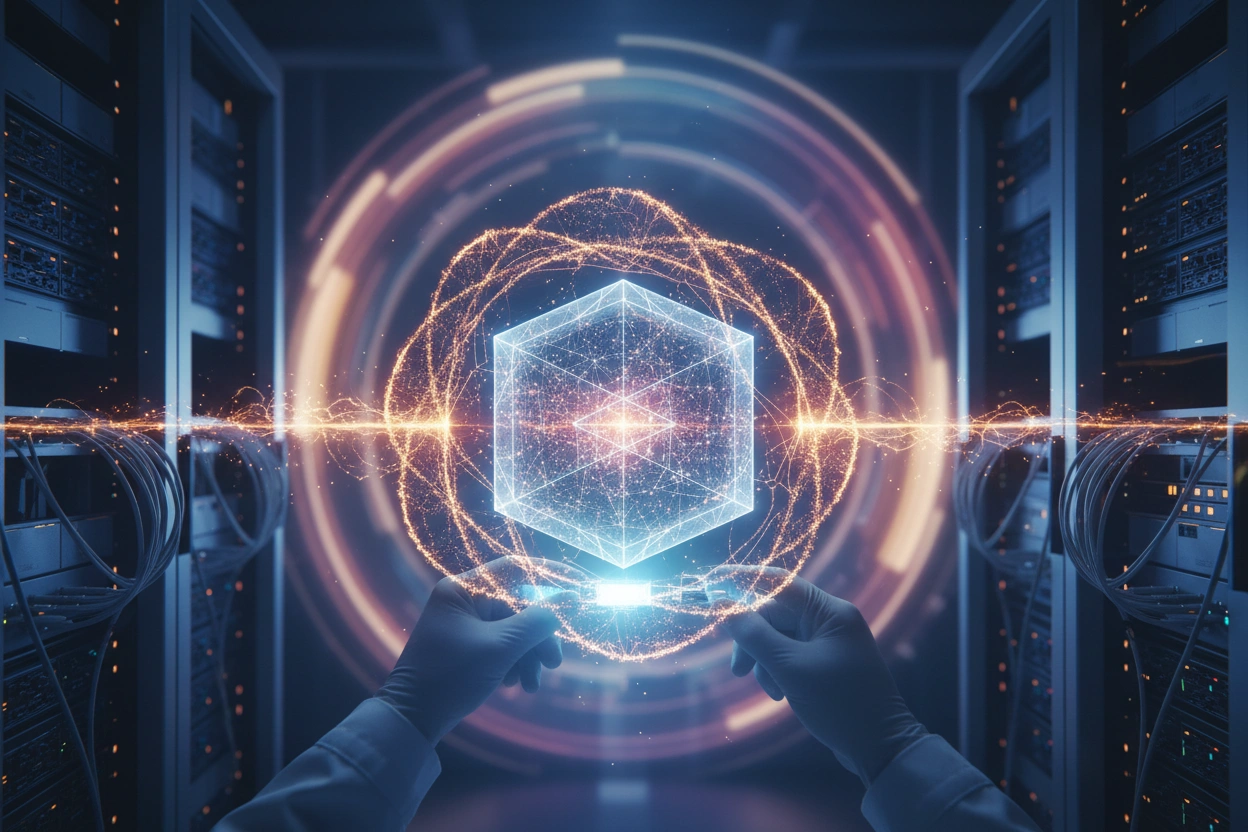
The rapid evolution of technology has created unprecedented challenges in the realm of cybersecurity. As we enter an era where data breaches and cyberattacks are increasingly sophisticated, the need for innovative solutions has never been more critical. One of the most promising advancements in this field is quantum technology, which has the potential to revolutionize how we secure our digital communications. In this article, we will explore quantum encryption techniques and how they can safeguard our digital future, providing a comprehensive understanding of quantum applications in cybersecurity.
Understanding Quantum Technology
Quantum technology leverages the principles of quantum mechanics to perform tasks that classical technology cannot achieve efficiently. This technology encompasses various fields, including quantum computing, quantum cryptography, and quantum communication. At the heart of quantum technology is the concept of quantum bits, or qubits, which can exist in multiple states simultaneously, enabling complex calculations and secure information transfer.
Key Principles of Quantum Mechanics
To grasp the significance of quantum technology in cybersecurity, it is essential to understand some fundamental principles of quantum mechanics:
Superposition: Unlike classical bits that can be either 0 or 1, qubits can be in multiple states at once. This property allows quantum computers to process vast amounts of data more efficiently than traditional computers.
Entanglement: Qubits can become entangled, meaning the state of one qubit is directly related to the state of another, regardless of the distance separating them. This phenomenon can be utilized to create secure communication channels that are resistant to eavesdropping.
Quantum Measurement: Measuring a quantum state changes it, which means that any attempt to intercept quantum data will alter the information being transmitted. This property is crucial for developing secure encryption methods.
Exploring Quantum Encryption: Safeguarding Our Digital Future
Quantum encryption represents a paradigm shift in how we approach data security. It offers robust methods to protect sensitive information from unauthorized access, making it particularly relevant in today's digital landscape.
What is Quantum Encryption?
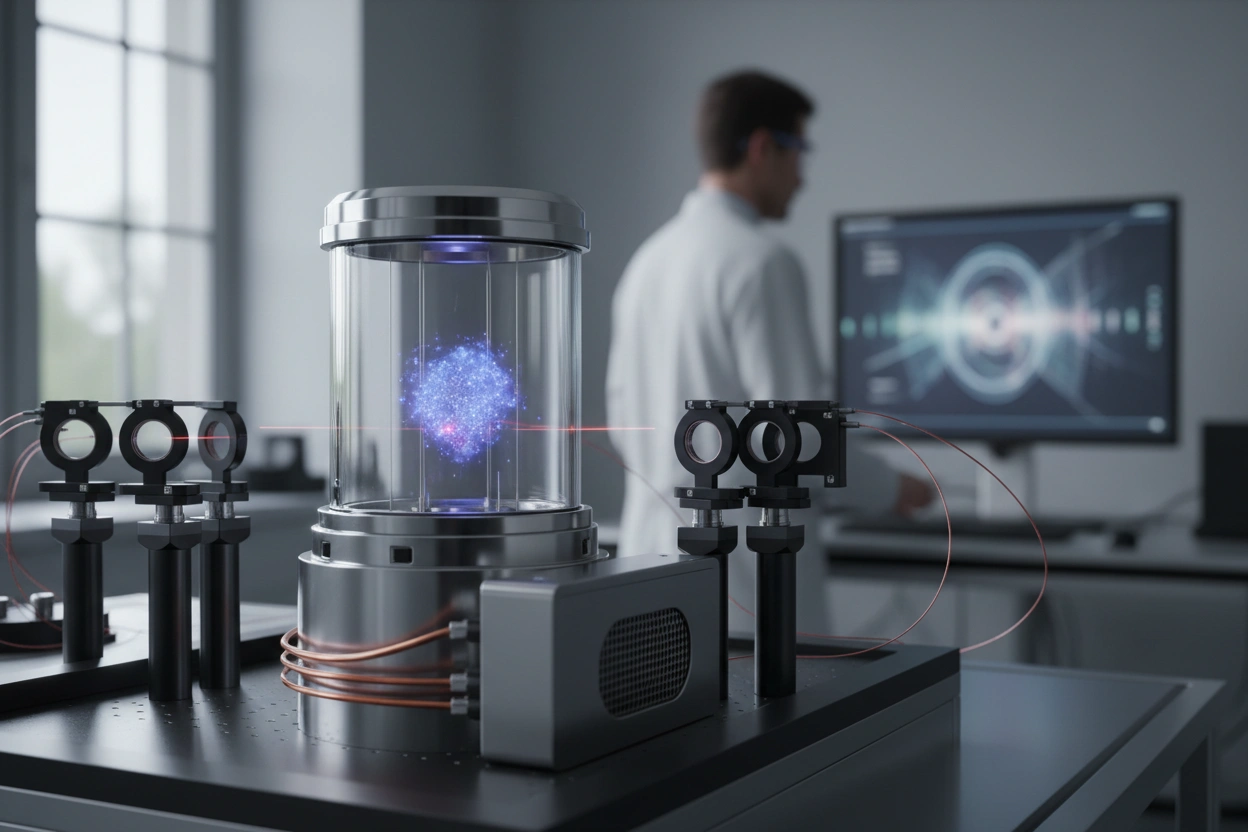
Quantum encryption utilizes the principles of quantum mechanics to create secure communication channels. The most prominent form of quantum encryption is Quantum Key Distribution (QKD), which allows two parties to generate a shared, secret key that can be used for secure communication. The security of QKD stems from the laws of quantum physics, which ensure that any attempt to eavesdrop will be detectable.
How Quantum Key Distribution Works
QKD involves several steps to establish a secure key between two parties, typically referred to as Alice and Bob. Here’s a breakdown of the process:
Photon Transmission: Alice sends qubits encoded with information to Bob. These qubits are typically represented by the polarization states of photons.
Measurement: Bob measures the received qubits using his own set of polarization filters. The choice of filters is random, which adds to the security of the process.
Key Generation: After the transmission, Alice and Bob compare their measurement results over a classical channel. They discard any instances where their measurement bases did not match, resulting in a shared secret key.
Eavesdropping Detection: If an eavesdropper, often referred to as Eve, attempts to intercept the qubits, the act of measurement will disturb the quantum states. This disturbance can be detected by Alice and Bob, alerting them to potential security breaches.
Advantages of Quantum Encryption
Quantum encryption offers several significant advantages over classical encryption methods:
Unconditional Security: The laws of quantum mechanics provide a level of security that is theoretically unbreakable. Unlike classical encryption, which relies on computational complexity, quantum encryption is secure against any computational advances.
Real-Time Eavesdropping Detection: The ability to detect eavesdropping attempts in real-time ensures that communication remains secure. This feature is particularly beneficial for sensitive communications in industries like finance and healthcare.
Scalability: As quantum technology advances, the implementation of quantum encryption systems will become more feasible for widespread use, allowing for broader application across various sectors.
Current Quantum Applications in Cybersecurity
The potential applications of quantum technology in cybersecurity are vast and varied. Here are some noteworthy quantum applications currently being explored or implemented:
1. Quantum Key Distribution Networks
Several organizations and research institutions are developing quantum key distribution networks to enhance secure communications. For example, the Chinese government launched a quantum satellite, Micius, capable of performing QKD over long distances, demonstrating the feasibility of quantum communication on a global scale.
2. Quantum Secure Direct Communication
This emerging technology allows for the direct transmission of information without the need for a pre-shared key. Utilizing quantum entanglement, the sender and receiver can communicate securely, making it an attractive option for sensitive data transfer.
3. Quantum-Resistant Algorithms
As quantum computing advances, there is a growing need for encryption algorithms that can withstand potential quantum attacks. Researchers are working on developing quantum-resistant cryptographic algorithms that can secure data against the capabilities of quantum computers.
Common Misconceptions About Quantum Technology
Despite its potential, there are several misconceptions surrounding quantum technology and its application in cybersecurity:
Misconception 1: Quantum Technology is Only for Scientists
While quantum technology originated in academic and research settings, its applications are rapidly expanding into commercial sectors. Companies are investing in quantum solutions, making it accessible for various industries, including finance, telecommunications, and healthcare.
Misconception 2: Quantum Encryption is Too Complex for Practical Use
Although quantum encryption may seem complex, advancements in technology and infrastructure are making its implementation more manageable. Companies are developing user-friendly systems that integrate quantum encryption into existing networks, enhancing security without overwhelming users.
Misconception 3: Quantum Technology Will Replace Classical Systems Overnight
Quantum technology is not a direct replacement for classical systems; rather, it complements existing security measures. The transition to quantum-enhanced security will be gradual, with organizations integrating quantum solutions alongside classical encryption methods.
Challenges and Limitations of Quantum Technology
While quantum technology holds immense promise for cybersecurity, several challenges and limitations must be addressed:
1. Infrastructure Development
Implementing quantum encryption requires significant investment in infrastructure, including quantum repeaters and secure communication channels. Many organizations may face hurdles in establishing the necessary systems to support quantum applications.
2. Cost Considerations
The cost of developing and deploying quantum technology can be prohibitive for smaller organizations. As the technology matures, it is expected that costs will decrease, making it more accessible to a broader range of users.
3. Regulatory and Standardization Issues
As quantum technology evolves, regulatory frameworks and standards will need to be established to ensure interoperability and security compliance. Collaborations between governments, industry leaders, and researchers will be essential in creating a unified approach to quantum cybersecurity.
The Future of Quantum Technology in Cybersecurity
The potential of quantum technology to transform cybersecurity is immense. As research and development continue, we can anticipate several trends and innovations in this field:
1. Integration with AI and Machine Learning
Combining quantum technology with artificial intelligence and machine learning could lead to more sophisticated security solutions. By leveraging quantum computing's processing power, organizations may enhance threat detection and response capabilities.
2. Broader Adoption of Quantum Key Distribution
As quantum key distribution networks become more established, businesses will likely adopt these technologies for secure communication. This shift will create a new standard for data protection across various industries.
3. Ongoing Research and Development
Investment in quantum technology research will continue to grow, resulting in new applications and advancements. As researchers uncover new methods and techniques, the landscape of cybersecurity will evolve, providing enhanced protection against emerging threats.
The Intersection of Quantum Technology and Outer Edge
The exploration of quantum technology in cybersecurity underscores the critical need for innovative solutions to protect our digital infrastructure. As organizations navigate the complexities of data security, understanding quantum encryption techniques will become increasingly essential.
At Outer Edge, we are committed to staying at the forefront of technological advancements, including the integration of quantum technology into cybersecurity strategies. Our expertise can guide organizations in leveraging these groundbreaking solutions to enhance their security measures effectively.
For those looking to safeguard their digital future, it's crucial to stay informed about the developments in quantum technology and its applications. To learn more about how quantum technology can benefit your organization, contact Outer Edge today for personalized insights and solutions tailored to your cybersecurity needs.




.svg)





.png)


