The realm of web3 gaming and entertainment has been revolutionized by blockchain technology, creating an environment rich with innovation and opportunity. As we progress through 2026, the trends shaping this industry are evolving rapidly, offering exciting prospects for developers, gamers, and investors alike. This article will explore the top ten trends in blockchain entertainment that are defining the web3 gaming landscape this year. Understanding these trends not only helps stakeholders stay ahead of the curve but also highlights the immense potential of blockchain to transform how we engage with digital entertainment.
The importance of these trends lies in their ability to enhance user experience, foster community engagement, and create new economic models within gaming. As blockchain technology matures, its applications in entertainment are becoming more diverse, leading to a more immersive and interactive gaming environment. Here, we delve into ten pivotal trends that are driving the future of web3 gaming and entertainment.
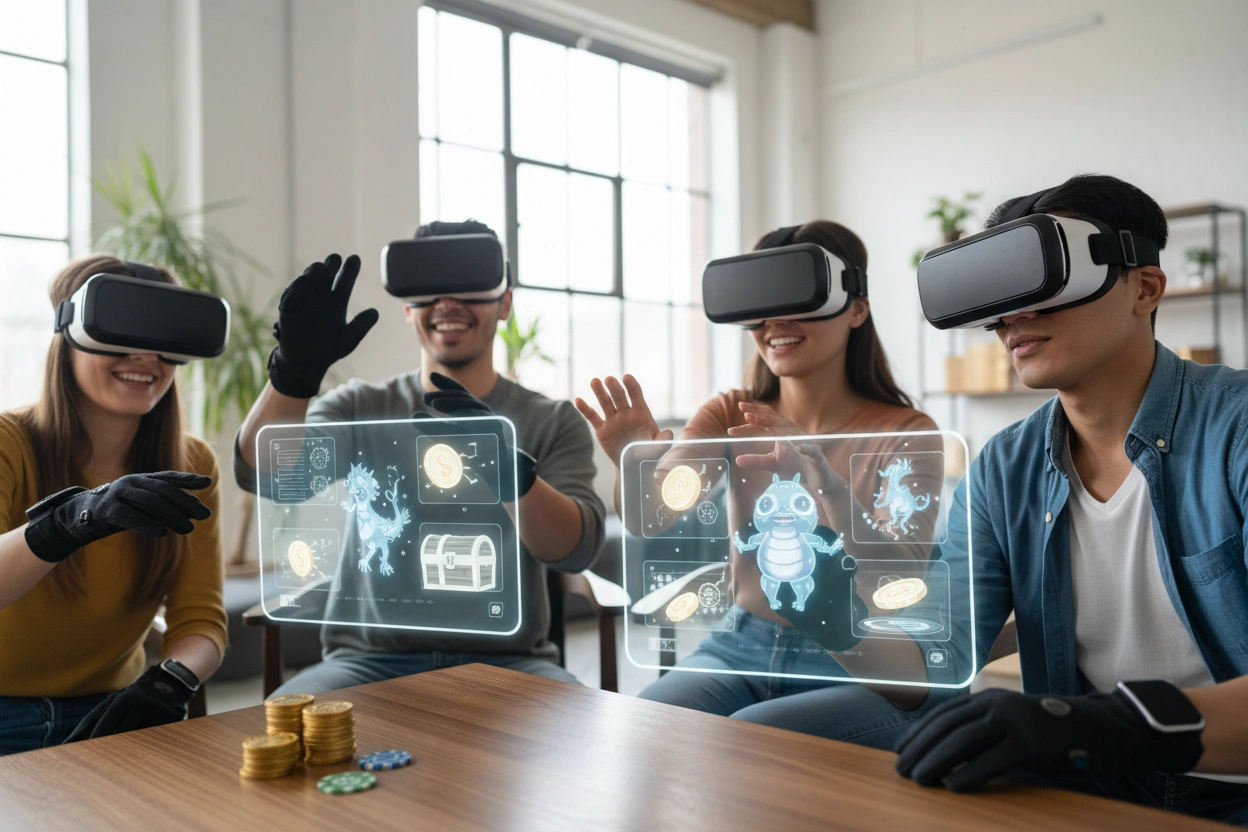
1. Rise of Play-to-Earn Models
Play-to-earn models have gained significant traction, allowing players to earn tangible rewards through gameplay. This trend addresses the age-old issue of players investing time and effort into games without receiving any compensation. With blockchain's transparency, players can now earn cryptocurrency or NFTs that hold real-world value.
- Economic Empowerment: Players can monetize their gaming skills, creating new income streams. For instance, games like Axie Infinity have demonstrated how players can earn substantial amounts by participating in battles and breeding virtual creatures.
- Community Engagement: These models foster a sense of ownership and loyalty among players. When individuals can earn from their gameplay, they are more likely to engage with the community, driving both player retention and game longevity.
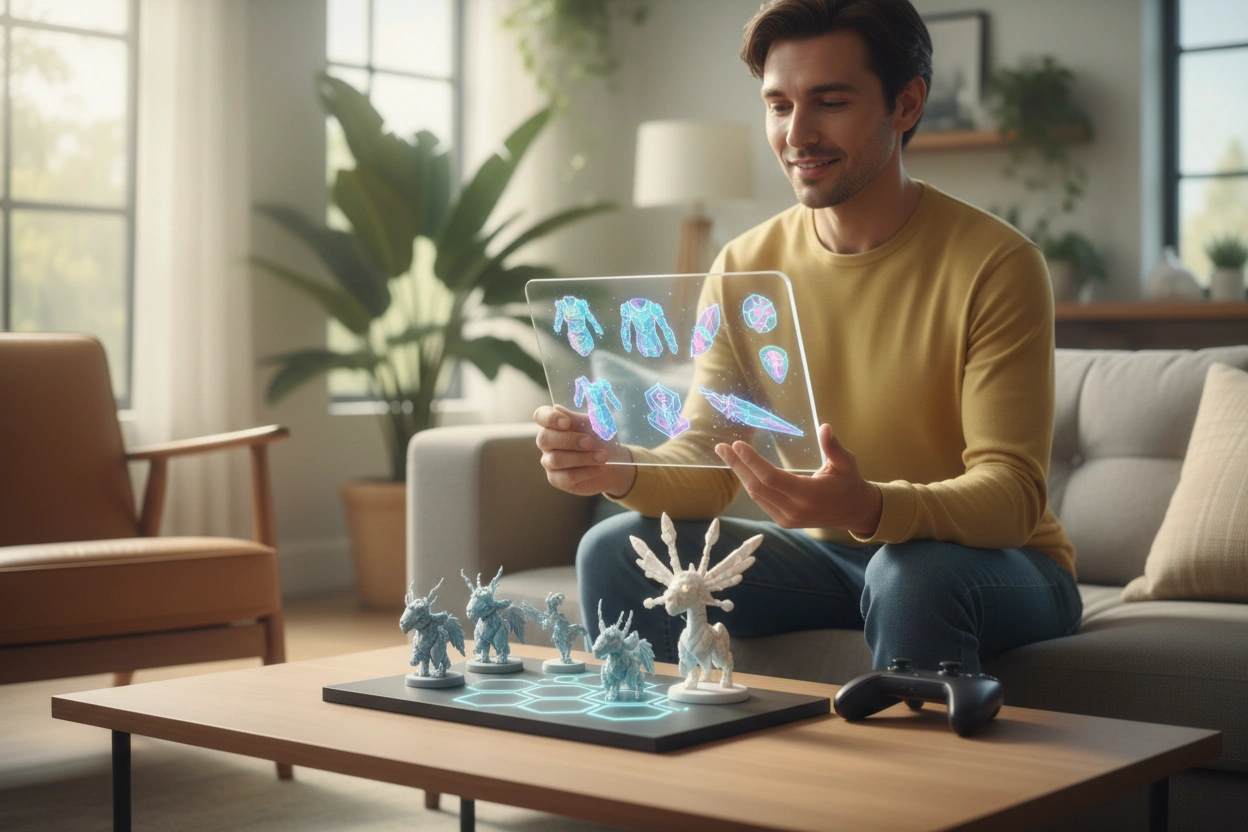
2. Integration of NFTs in Gaming
Non-fungible tokens (NFTs) are reshaping the gaming landscape, providing unique digital assets that players can buy, sell, or trade. This trend enhances the ownership experience, allowing players to possess exclusive in-game items and characters.
- Unique Ownership: Players can truly own their in-game assets, which can be verified on the blockchain. For example, games like Decentraland allow players to purchase and develop virtual real estate, creating a vibrant economy around land ownership.
- Interoperability: NFTs can transcend individual games, allowing assets to be used across multiple platforms. This interoperability is poised to enhance player engagement and create a more cohesive gaming ecosystem.
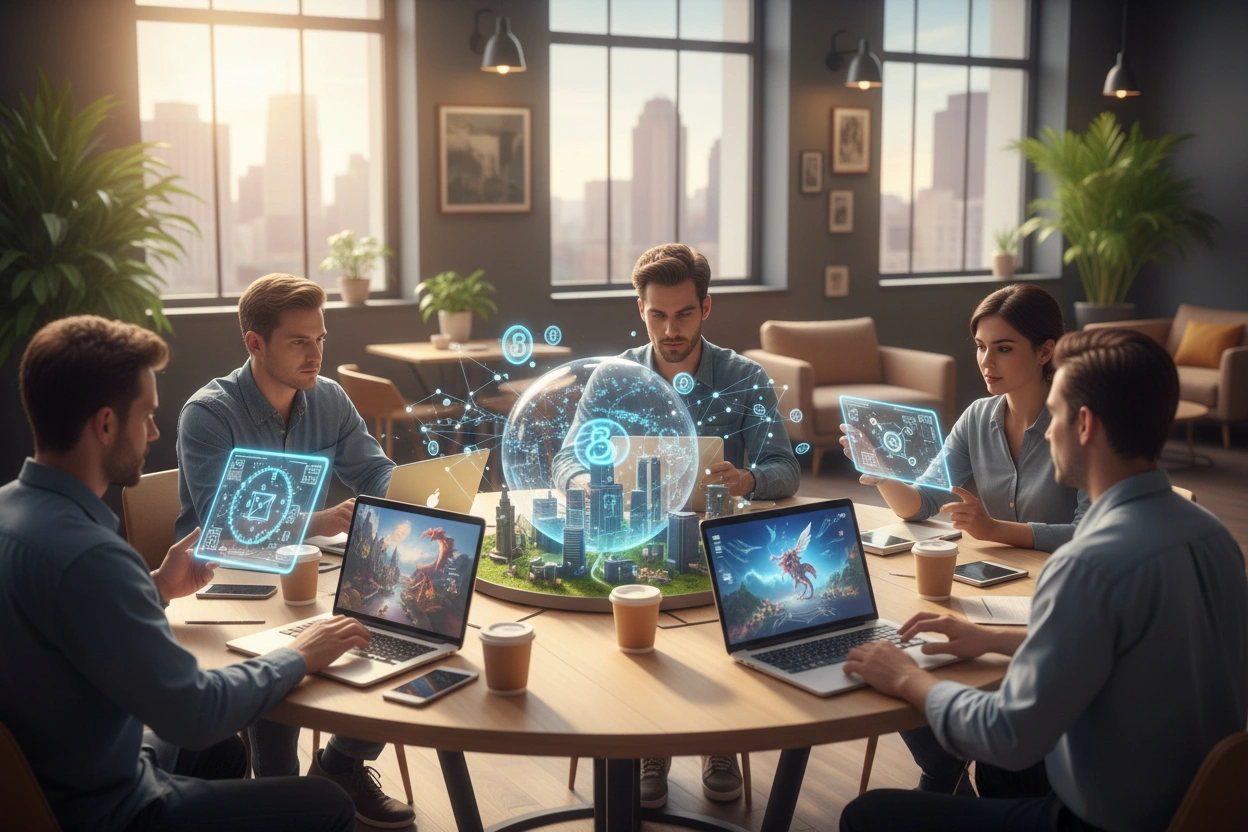
3. Decentralized Autonomous Organizations (DAOs)
DAOs are emerging as a new governance model in web3 gaming, allowing players to have a say in game development and management. This trend promotes community-driven decision-making, ensuring that players' voices are heard.
- Player Governance: Through DAOs, players can vote on game updates, features, and economic policies. This democratic approach empowers players and fosters a sense of belonging within the community.
- Funding and Support: DAOs can also facilitate funding for new projects, enabling innovative ideas to flourish. The decentralized nature of these organizations allows for collective investment in promising gaming ventures.
4. Enhanced Security and Transparency
Blockchain technology offers enhanced security and transparency, addressing long-standing issues such as fraud and hacking in the gaming industry. This trend is crucial for building trust among players and developers.
- Immutable Records: All transactions and ownership records are stored on the blockchain, making it virtually impossible to alter or manipulate data. This transparency reassures players that their assets are secure.
- Fraud Prevention: By utilizing blockchain, developers can reduce instances of cheating and hacking, creating a fairer gaming environment. Players are more likely to invest their time and money when they feel secure in their gaming experience.
5. Cross-Platform Play
The integration of cross-platform play is becoming a standard expectation in web3 gaming. This trend allows players to engage with games across different devices and platforms, enhancing accessibility.
- Wider Audience Reach: By enabling cross-platform functionality, developers can tap into a broader audience. This inclusivity can significantly increase player engagement and revenue potential.
- Unified Gaming Experience: Players can enjoy a seamless gaming experience regardless of their device, leading to greater satisfaction and retention. Games that support cross-platform play are often more popular and have longer lifespans.
6. Gamification of Non-Gaming Experiences
Blockchain entertainment is not limited to traditional gaming; it is also extending into non-gaming sectors through gamification. This trend leverages gaming mechanics to enhance user engagement in various fields.
- Increased Engagement: Industries such as education, fitness, and marketing are utilizing gamification to motivate users. By incorporating gaming elements, these sectors can drive participation and foster loyalty among users.
- Blockchain Integration: The use of blockchain in these applications ensures transparency and security, providing users with verifiable achievements and rewards. This can lead to a more engaging and rewarding experience.
7. Community-Centric Development
The shift towards community-centric development is pivotal in web3 gaming. Developers are increasingly involving players in the creation process, ensuring that games align with player expectations and desires.
- Collaborative Design: By seeking player feedback and incorporating suggestions, developers can create games that resonate more deeply with their audience. This collaboration fosters loyalty and enhances the overall gaming experience.
- Building Trust: When players see their input valued, it builds trust between developers and the community. This relationship can lead to sustained engagement and a supportive player base.
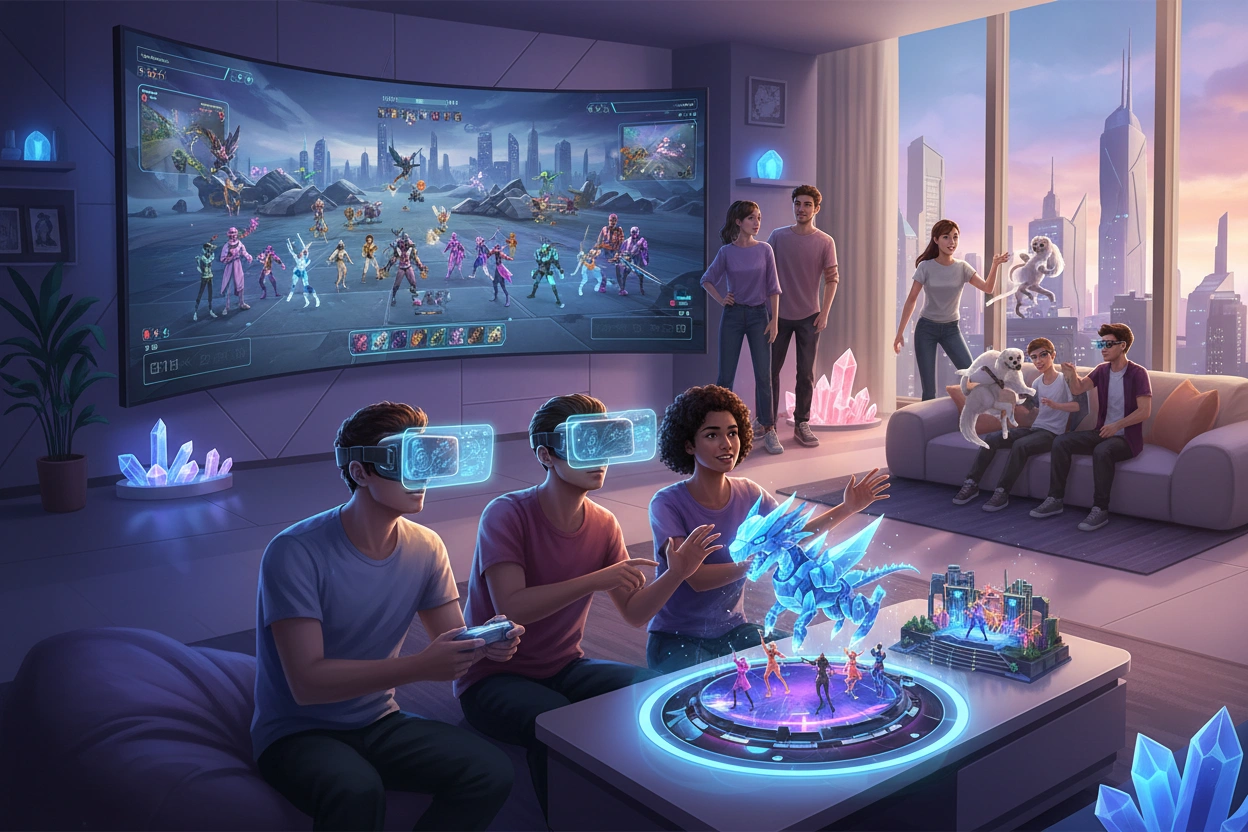
8. Virtual Reality (VR) and Augmented Reality (AR) Integration
The integration of VR and AR technologies into web3 gaming is transforming how players interact with virtual worlds. This trend is creating immersive experiences that blur the lines between reality and digital environments.
- Immersive Gameplay: Players can explore expansive virtual landscapes and engage in realistic interactions, enhancing the overall gaming experience. Games utilizing VR and AR technologies, such as The Sandbox, are pushing the boundaries of what is possible in gaming.
- Social Interaction: These technologies also facilitate social interactions, allowing players to connect in more meaningful ways within virtual environments. Enhanced social features can drive community growth and retention.
9. Sustainable Gaming Practices
As awareness of environmental issues grows, the gaming industry is moving towards sustainable practices. This trend is particularly relevant in blockchain entertainment, where energy consumption has been a concern.
- Eco-Friendly Protocols: Many projects are adopting eco-friendly consensus mechanisms, such as proof-of-stake, to reduce their carbon footprint. This shift is crucial for attracting environmentally conscious players and investors.
- Sustainable Development: Developers are increasingly focusing on creating games that promote sustainability and awareness of environmental issues. This approach not only aligns with global trends but also enhances the brand reputation of developers.
10. Evolving Monetization Strategies
The monetization landscape in web3 gaming is diversifying, moving away from traditional models towards innovative approaches that align with player expectations. This trend is reshaping how games generate revenue.
- Diverse Revenue Streams: Developers are exploring various monetization strategies, including subscription models, in-game purchases, and tokenized economies. This flexibility allows for greater financial sustainability and player satisfaction.
- Player-Centric Economics: New monetization strategies are designed with player interests in mind, ensuring that players feel valued and rewarded for their participation. This alignment fosters loyalty and drives long-term engagement.
The Future of Web3 Gaming and Entertainment
As we navigate through 2026, the trends outlined above are set to redefine the landscape of web3 gaming and entertainment. The integration of blockchain technology is creating a more secure, transparent, and engaging environment for players. Developers who embrace these trends will not only enhance the gaming experience but also foster vibrant communities and sustainable business models.
Understanding these trends allows stakeholders to make informed decisions that align with the evolving expectations of players. As the industry continues to innovate, companies like Outer Edge are at the forefront, helping to shape the future of blockchain entertainment. By leveraging insights from these trends, Outer Edge can assist developers and players alike in navigating the complexities of web3 gaming. community engagement is essential for success.
For more information on how to engage with these trends and enhance your experience in web3 gaming and entertainment, visit Outer Edge.


.svg)





.png)


