As technology continues to evolve, the integration of AI robotics in education is becoming increasingly relevant. In 2026, educational institutions are harnessing the power of AI robotics to enhance learning experiences, streamline administrative tasks, and foster interactive environments. This article explores the emerging applications of AI robotics in education, the top trends for 2026, and the future of AI robotics in transforming the educational landscape.
The Role of AI Robotics in Education
AI robotics encompasses the use of artificial intelligence and robotic systems to enhance various applications. In education, this technology is being utilized to create personalized learning experiences, facilitate administrative efficiency, and foster engagement among students. By integrating AI robotics, educators can better address diverse learning needs and improve overall educational outcomes.
One key advantage of AI robotics is its ability to analyze vast amounts of data to tailor educational content to individual students. This personalized approach can help identify strengths and weaknesses, allowing educators to provide targeted support. Moreover, AI robotics can automate routine tasks, freeing up educators to focus on more meaningful interactions with students.
Personalized Learning Experiences
One of the most significant advantages of AI robotics in education is the ability to create tailored learning experiences. AI-powered systems can analyze student performance data in real-time, adapting curricula to meet individual needs. This customization can lead to better engagement and retention, as students receive materials that resonate with their interests and learning styles.
For example, an AI-driven platform may assess a student's understanding of a particular math concept and provide additional resources or exercises to reinforce that knowledge. This adaptive learning model fosters a more effective educational environment, enabling students to progress at their own pace.
Administrative Efficiency
AI robotics also plays a critical role in enhancing learning experiences within educational institutions. Tasks such as grading, attendance tracking, and scheduling can be automated using AI systems, allowing educators to dedicate more time to teaching and mentoring students. For instance, AI tools can analyze student submissions and provide instant feedback, reducing the workload on teachers while maintaining high-quality assessments.
Additionally, AI robotics can enhance communication between educators, students, and parents. Automated notifications and reminders can be sent to keep all stakeholders informed about important events, deadlines, and performance updates. This improved communication fosters a more connected educational community.
Top Trends in AI Robotics for 2026
As we look ahead to 2026, several trends are emerging in the field of AI robotics within education. Understanding these trends can help educators and institutions prepare for the future and leverage AI robotics effectively.
1. Increased Use of Collaborative Robots (Cobots)
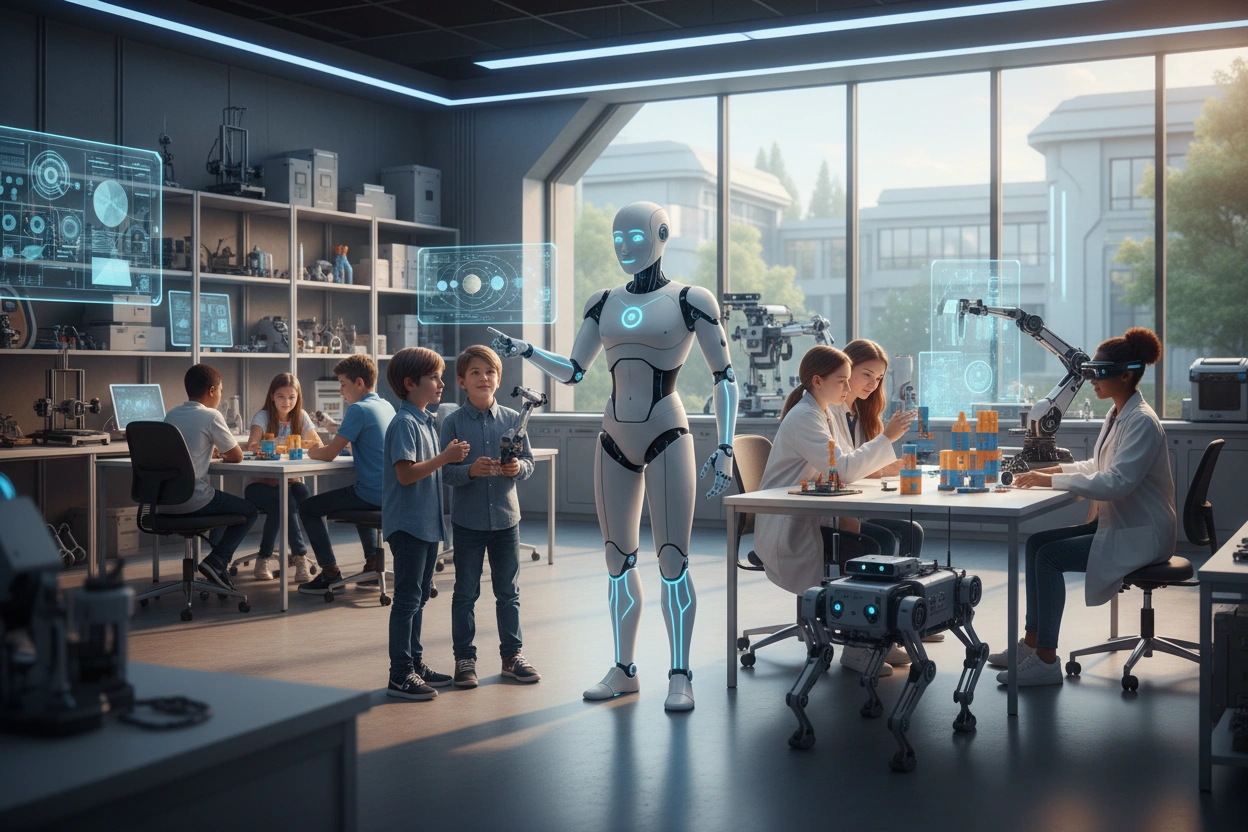
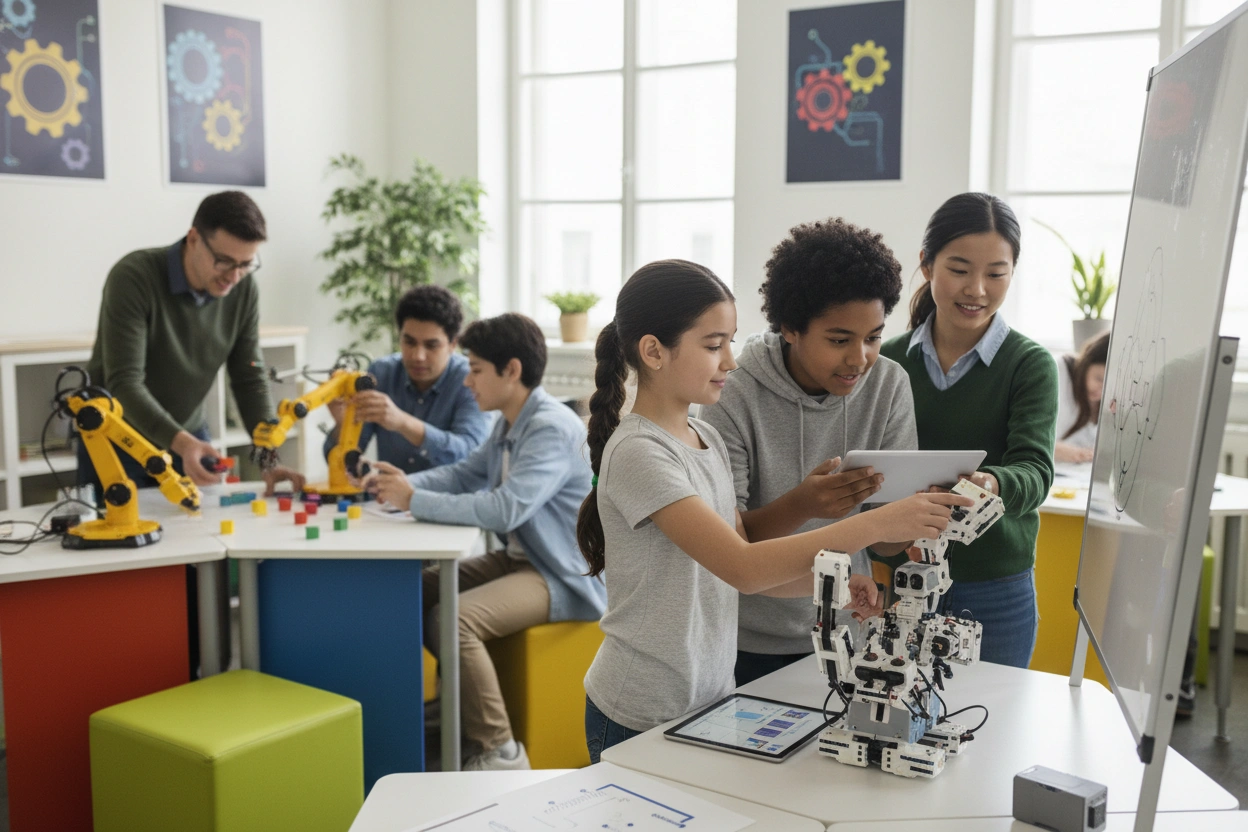
Collaborative robots, or cobots, are designed to work alongside human educators and students. These robots can assist with various tasks, such as tutoring, providing hands-on learning experiences, and facilitating group projects. The trend towards cobots reflects a shift in the educational paradigm, where technology complements human interaction rather than replaces it.
2. Enhanced Virtual and Augmented Reality Experiences
Virtual and augmented reality (VR and AR) technologies are increasingly being integrated with AI robotics to create immersive learning environments. These applications allow students to explore complex concepts through interactive simulations and visualizations. For example, students can engage in virtual field trips, explore historical sites, or conduct science experiments in a safe, controlled environment.
3. AI-Driven Assessment Tools
The future of AI robotics in education includes the development of advanced assessment tools that utilize machine learning algorithms to evaluate student performance. These tools can provide real-time analytics, identifying trends and areas for improvement. By harnessing AI-driven assessment, educators can make data-informed decisions that enhance student learning outcomes.
4. Focus on Social-Emotional Learning
As education evolves, there is a growing emphasis on social-emotional learning (SEL). AI robotics can support SEL initiatives by providing students with tools to develop emotional intelligence, empathy, and interpersonal skills. For instance, AI-powered applications can simulate social scenarios, allowing students to practice communication and conflict resolution in a safe environment.
5. Accessibility and Inclusivity
AI robotics is paving the way for a more inclusive educational landscape. By providing personalized support for students with disabilities, AI technologies can help ensure that all learners have access to quality education. For example, robotic assistants can assist students with physical challenges in navigating their environment or provide tailored learning resources for those with learning disabilities.
Common Misconceptions about AI Robotics in Education
Despite the advancements in AI robotics, several misconceptions persist that may hinder its adoption in educational settings. Addressing these misconceptions is crucial for educators, administrators, and policymakers.
Misconception: AI Robotics Will Replace Teachers
One of the most prevalent misconceptions is that AI robotics will replace educators in the classroom. In reality, AI robotics is intended to enhance the teaching experience, not replace it. By automating routine tasks and providing personalized support, educators can focus on fostering meaningful relationships with students and facilitating deeper learning experiences.
Misconception: AI Robotics Is Too Expensive for Most Schools
While the initial investment in AI robotics technology may seem daunting, many institutions are discovering cost-effective solutions that yield significant returns. Open-source platforms and cloud-based applications can reduce costs while providing access to advanced tools. Moreover, the long-term benefits of improved student outcomes and administrative efficiency often outweigh the initial expenditures.
Misconception: AI Robotics Is Only for STEM Education
Another misconception is that AI robotics is primarily applicable to STEM (science, technology, engineering, and mathematics) education. In reality, AI robotics can enhance learning across various subjects, including the arts, humanities, and social sciences. For example, AI-driven tools can facilitate language learning through interactive conversations or support creative writing by providing feedback on grammar and style.
Actionable Insights for Educators
To effectively integrate AI robotics into educational practices, educators can follow these actionable steps:
Research Available Tools and Resources
Stay informed about the latest AI robotics technologies and tools available for educational use. Explore platforms that provide personalized learning experiences, collaborative robots, and assessment tools.
Pilot Programs
Implement pilot programs to test the effectiveness of AI robotics in your classroom. Start with a small group of students and gather data on their experiences and outcomes.
Collaborate with Colleagues
Work with fellow educators to share insights and best practices regarding AI robotics. Collaborating can lead to innovative ideas and approaches that enhance the learning environment.
Seek Professional Development
Participate in professional development opportunities focused on AI robotics and technology integration. Understanding how to leverage these tools effectively will empower educators to maximize their potential.
Involve Stakeholders
Engage students, parents, and administrators in discussions about the integration of AI robotics. Gathering feedback from stakeholders can provide valuable insights and foster a collaborative approach to implementation.
Exploring the Future of AI Robotics in Education
The future of AI robotics in education is promising, with potential applications expanding beyond the classroom. As technology advances, we can expect to see AI robotics influencing various aspects of the educational ecosystem, including administrative tasks, curriculum design, and student engagement.
The Integration of AI Robotics in Curriculum Design
In the coming years, educational institutions will increasingly incorporate AI robotics into curriculum design. This integration will allow for the creation of dynamic, interactive learning experiences that resonate with students. By leveraging AI technologies, educators can develop curricula that adapt to the evolving needs of students and the job market.
Lifelong Learning and Continuous Improvement
AI-driven systems can help individuals identify skills gaps and recommend personalized learning pathways, ensuring that learners remain competitive in the workforce.
Enhancing Global Collaboration
The global nature of education will benefit from AI robotics as well. Virtual learning environments powered by AI can facilitate collaboration among students from different countries and cultures. This international perspective will enrich the learning experience and foster a sense of global citizenship.
Harnessing the Power of AI Robotics with Outer Edge
The integration of AI robotics in education presents a transformative opportunity to enhance learning experiences and improve educational outcomes. By leveraging AI technologies, educators can create personalized, engaging, and efficient learning environments.
At Outer Edge, we are committed to helping educational institutions navigate the evolving landscape of AI robotics. Our expertise in technology integration and educational strategies ensures that you can harness the full potential of AI robotics in your learning environment.
Explore how AI robotics can enhance your educational practices and empower your students to thrive in an ever-changing world.
Take the Next Step with Outer Edge
To learn more about integrating AI robotics into your educational initiatives, contact Outer Edge today. Our team is ready to support you in transforming your learning environment and enhancing student outcomes. Visit Outer Edge for more information on how we can help you implement effective AI robotics strategies in education.



.svg)





.png)


