The emergence of Web3 gaming and entertainment is reshaping the landscape of digital interactions, particularly through the integration of non-fungible tokens (NFTs). This evolution is not just about creating new forms of digital assets; it’s about redefining the entire gaming experience. The incorporation of decentralized gaming models and play-to-earn dynamics is transforming how players engage with games, communities, and each other. Understanding these changes can provide insights into the future of gaming and the broader entertainment industry.
Understanding Web3 Gaming and Entertainment
Web3 gaming and entertainment encapsulates the use of blockchain technology to facilitate decentralized interactions in gaming environments. This paradigm shift allows players to own their in-game assets, trade them freely, and participate in governance through decentralized autonomous organizations (DAOs). Unlike traditional gaming models where companies retain control over digital assets, Web3 promotes user ownership and community-driven content.
The Mechanics of Web3 Gaming
Web3 gaming operates on the principles of decentralization and transparency, relying heavily on blockchain technology. Players engage with smart contracts that govern in-game economies, ensuring that transactions are secure and verifiable. This structure not only enhances trust among participants but also fosters a sense of community ownership.
- Players can buy, sell, and trade NFTs, which represent unique items or characters within games.
- Game developers create ecosystems where players can influence game development through voting mechanisms, aligning the interests of developers and players.
- The use of cryptocurrencies for in-game transactions enables players to monetize their skills and investments, creating an entire economy around gameplay.
The Role of NFTs in Gaming
NFTs serve as a backbone for digital ownership in Web3 gaming. Each NFT is unique and cannot be replicated, which ensures that players have true ownership of their assets. This has significant implications for how value is created and exchanged in gaming.
- Players can earn real-world value from in-game achievements, as NFTs can be traded on various marketplaces.
- The scarcity and uniqueness of NFTs can drive demand, leading to increased value for rare items.
- Game developers can create engaging experiences by introducing limited edition NFTs, incentivizing players to invest time and money into their games.
How Play-to-Earn Models Are Changing Gaming Dynamics
Play-to-earn (P2E) models are fundamentally altering the dynamics of gaming by allowing players to earn rewards through gameplay. This model aligns the interests of players and developers, creating a more sustainable gaming ecosystem.
The Mechanics of Play-to-Earn
P2E games reward players with cryptocurrency or NFTs for achieving specific goals or milestones within a game. This model incentivizes players to engage more deeply with the game, as their time and effort can yield tangible rewards.
- Players earn tokens that can be exchanged for real-world currency or used to purchase in-game items.
- The more time a player invests, the greater their potential earnings, thus fostering a competitive environment.
- Some P2E games allow players to stake their tokens, providing additional earning opportunities through interest or rewards.
Implications for Game Design
The shift to P2E models necessitates a reevaluation of game design principles. Developers must create engaging experiences that not only entertain but also provide economic incentives.
- Game mechanics should encourage collaboration and community building, as players often benefit from working together.
- Developers need to balance earning potential with gameplay enjoyment to avoid creating a monotonous grind.
- Transparency in tokenomics is essential to build trust and maintain a healthy player base.
Challenges and Considerations
While P2E models offer numerous benefits, they also present challenges that developers and players must navigate.
- Market volatility can affect the value of in-game currencies, leading to unpredictable earnings for players.
- Regulatory scrutiny is increasing as governments seek to understand and control the financial implications of P2E models.
- The potential for exploitation exists, as some players may engage in "botting" or other unethical practices to maximize earnings.
Building Communities in Web3 Gaming
The community aspect of Web3 gaming and entertainment is one of its most appealing features. Unlike traditional gaming environments, where players often feel isolated, Web3 fosters a sense of belonging and shared purpose.
Decentralized Governance
Many Web3 games incorporate decentralized governance structures, allowing players to participate in decision-making processes. This empowers players to influence game development, community rules, and economic models.
- Players can propose and vote on changes to the game, enhancing their investment in its success.
- DAOs can manage community funds, ensuring that resources are allocated in ways that benefit the player base.
- This governance model creates a sense of ownership and accountability among players, leading to more vibrant and engaged communities.
Social Interactions and Engagement
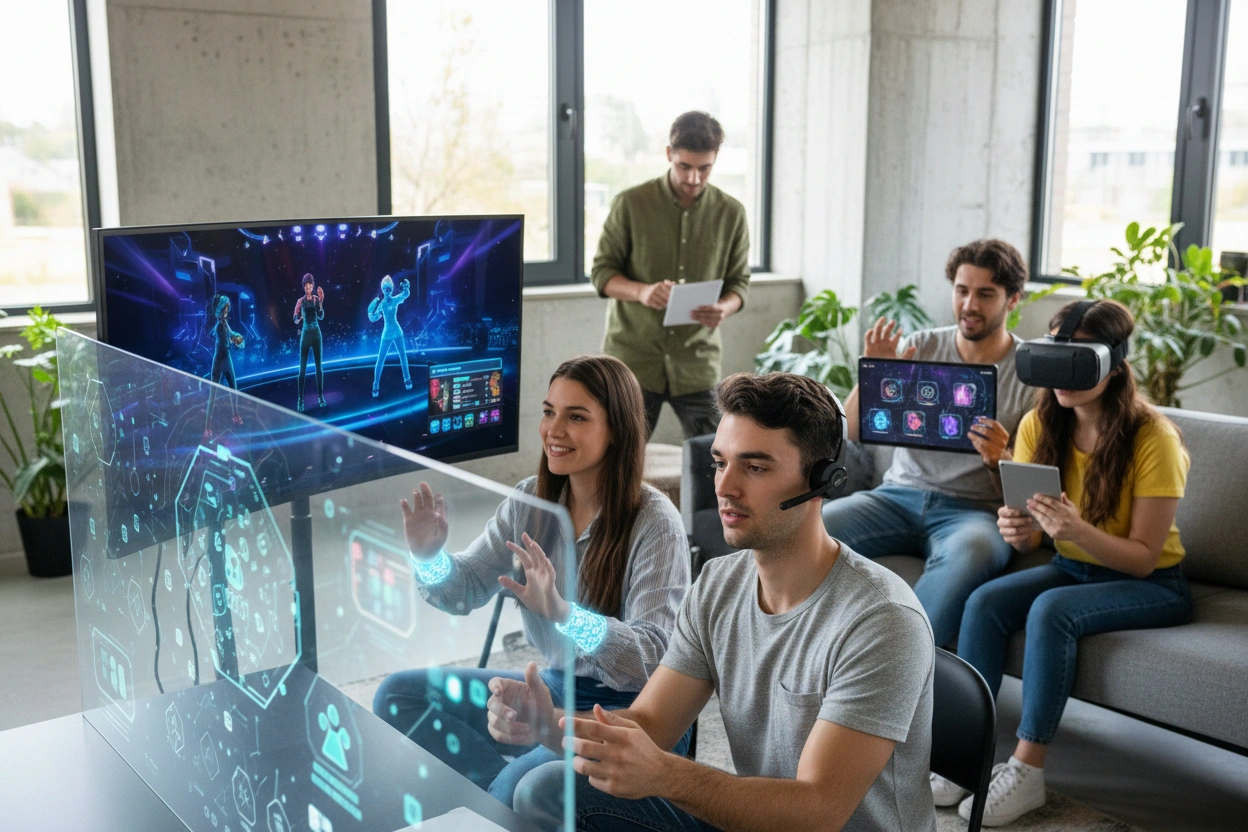
Web3 gaming encourages social interactions through guilds, clans, and community events. These interactions enhance the gaming experience by fostering camaraderie and collaboration among players.
- Players can form alliances to tackle challenges, share resources, and strategize for success.
- Community events can include tournaments, contests, and collaborative missions, creating shared goals and experiences.
- Social media and community forums provide platforms for players to connect, share tips, and celebrate achievements.
The Future of Community-Driven Content
As Web3 gaming continues to evolve, the role of community-driven content will likely expand. Players may have opportunities to create and monetize their own content within games, further enhancing engagement.
- User-generated content can include new game modes, character designs, and storylines, enriching the overall gaming experience.
- Developers can incentivize content creation by rewarding players with tokens or NFTs for their contributions.
- This model can lead to a more diverse array of gameplay experiences, catering to a wider audience.
Common Misconceptions About Web3 Gaming
Despite the growing interest in Web3 gaming and entertainment, several misconceptions persist that can hinder understanding and participation.
Misconception: Web3 Gaming is Just a Fad
Some critics argue that Web3 gaming is merely a passing trend, similar to previous gaming fads. However, the underlying technology and economic models are likely to have lasting impacts on the industry.
- The integration of blockchain technology is becoming increasingly prevalent in various sectors, indicating a shift towards decentralization.
- Players are demonstrating a willingness to invest time and money into these ecosystems, suggesting that the demand for decentralized gaming will continue to grow.
Misconception: NFTs are Only for Speculation
Another common belief is that NFTs are solely for speculative purposes, with little intrinsic value. While speculation does play a role in the NFT market, many NFTs provide real utility within gaming environments.
- Players can use NFTs for in-game advantages, customization, or access to exclusive content.
- The ownership of NFTs can enhance the gaming experience by providing players with unique identities and assets.
Misconception: Web3 Gaming is Only for Tech Savvy Individuals
Many potential players may feel intimidated by the technical aspects of Web3 gaming, believing it is only accessible to those with advanced knowledge. In reality, developers are working to simplify the onboarding process to make it more user-friendly.
- User interfaces are becoming more intuitive, allowing players to navigate Web3 environments with ease.
- Educational resources are emerging to help players understand the basics of blockchain and NFTs, fostering greater inclusivity.
The Future of Web3 Gaming and Entertainment
As Web3 gaming continues to evolve, several trends are likely to shape its future. Understanding these trends can provide insights into the direction of the industry and its potential impact on entertainment as a whole.
Increased Interoperability
Interoperability among different gaming platforms and ecosystems will likely become a focal point for development. This will enable players to use their assets across multiple games, enhancing the value of their investments.
- Developers may collaborate to create shared worlds, allowing players to carry their NFTs from one game to another.
- Cross-game economies could emerge, providing players with more opportunities to engage and earn.
The Rise of Virtual Reality and Augmented Reality
The integration of virtual reality (VR) and augmented reality (AR) technologies into Web3 gaming will create more immersive experiences. This convergence can redefine how players interact with digital environments.
- VR and AR can enhance storytelling and gameplay, providing players with a more engaging experience.
- The fusion of these technologies with blockchain can create new economic models, allowing players to earn while enjoying immersive content.
Regulatory Developments
As the popularity of Web3 gaming grows, regulatory scrutiny will likely increase. Developers must navigate the evolving landscape to ensure compliance while fostering innovation.
- Clear guidelines will be necessary to protect players and maintain the integrity of the gaming ecosystem.
- Developers should stay informed about regulatory changes to adapt their models accordingly, ensuring long-term sustainability.
The Evolving Landscape of Web3 Gaming and Entertainment
The landscape of web3 gaming and entertainment is continuously evolving, driven by technological advancements and shifting player expectations. The integration of NFTs and decentralized gaming models is reshaping how players interact with games and communities. As these trends continue to unfold, it is essential for developers, investors, and players alike to remain informed and adaptable.
Embracing Change
For those involved in the tech and gaming industries, embracing the changes brought about by web3 gaming is crucial. Understanding the intricacies of decentralized models and the potential of NFTs can position individuals and organizations for success in this new landscape.
- Continuous learning and adaptation will be key as the industry evolves.
- Engaging with communities and participating in discussions can provide valuable insights and opportunities.
The Intersection of NFT Gaming and Community Engagement
In summary, the integration of NFT gaming within the framework of web3 gaming and entertainment is creating dynamic and engaging experiences for players. The ability to own, trade, and earn from in-game assets is fostering a new era of gaming that emphasizes community and collaboration.
As the landscape evolves, Mohammad Hadhrawi stands at the forefront of these developments, helping innovators and entrepreneurs navigate the complexities of web3. By leveraging insights and resources, you can harness the potential of decentralized gaming and entertainment to create meaningful experiences.
To stay updated on the latest trends and insights in web3 gaming and entertainment, visit Outer Edge and discover how we can assist you in your journey towards success in this transformative space.





.svg)




.png)


