Top DeFi Trends in Decentralized Finance: What’s Changing in 2026
No items found.
Updated on:
December 23, 2025
Top DeFi Trends in Decentralized Finance: What’s Changing in 2026
Updated on:
December 23, 2025
The landscape of decentralized finance (DeFi) is rapidly evolving, with significant advancements reshaping how financial services are delivered. As we approach 2026, understanding the emerging trends within DeFi is essential for tech entrepreneurs, startup founders, and investors looking to navigate this dynamic environment. This article will delve into the top DeFi trends that are expected to influence the sector, including the rise of decentralized exchanges, the growing importance of DeFi security, and the implications of blockchain finance on financial inclusion.
The Rise of Decentralized Exchanges
Decentralized exchanges (DEXs) have transformed the way users trade cryptocurrencies by eliminating the need for intermediaries. This shift is largely driven by the desire for greater control over personal assets and the avoidance of traditional financial institutions. As we look ahead to 2026, the growth of DEXs is expected to continue, with several key factors contributing to their rise.
Increased User Adoption
More users are recognizing the benefits of using DEXs, such as enhanced privacy, lower fees, and improved accessibility. Unlike centralized exchanges, which require users to create accounts and provide personal information, DEXs allow for anonymous trading directly from wallets. This appeal is particularly strong among privacy-conscious individuals and those in regions with limited access to traditional banking services.
Users enjoy the benefits of self-custody.
DEXs typically have lower fees compared to centralized counterparts.
The ability to trade directly from wallets enhances security.
Innovations in Liquidity Solutions
The liquidity of DEXs has historically been a challenge, but innovative solutions are emerging to address this issue. Automated market makers (AMMs) and liquidity pools are becoming increasingly sophisticated, allowing users to earn yield on their assets while providing liquidity for trades. These innovations not only improve the trading experience but also incentivize more users to participate in DeFi.
AMMs enable users to trade without the need for order books.
Liquidity providers can earn fees for their contributions.
New models, such as concentrated liquidity, optimize capital efficiency.
DeFi Security: A Growing Concern
As decentralized finance continues to expand, so does the importance of security within the ecosystem. With billions of dollars locked in various DeFi protocols, vulnerabilities can lead to significant financial losses. Understanding the security landscape is crucial for participants in the DeFi space.
Smart Contract Audits
Smart contracts are the backbone of DeFi applications, and ensuring their security is paramount. Regular audits by reputable firms can help identify vulnerabilities before they are exploited. In 2026, we expect to see a rise in the number of projects prioritizing thorough audits and employing security best practices.
Auditing firms are becoming more specialized in DeFi.
Bug bounty programs incentivize ethical hackers to identify vulnerabilities.
Community-driven audits can enhance transparency and trust.
Insurance Solutions
DeFi insurance is gaining traction as a response to the risks associated with smart contracts and DeFi protocols. These insurance products provide users with protection against potential losses, further encouraging participation in the DeFi ecosystem. As insurance offerings become more sophisticated, they will likely play a pivotal role in mitigating risks.
Coverage for smart contract failures is becoming more common.
Users can purchase insurance policies to safeguard their investments.
Innovative models, such as parametric insurance, are emerging.
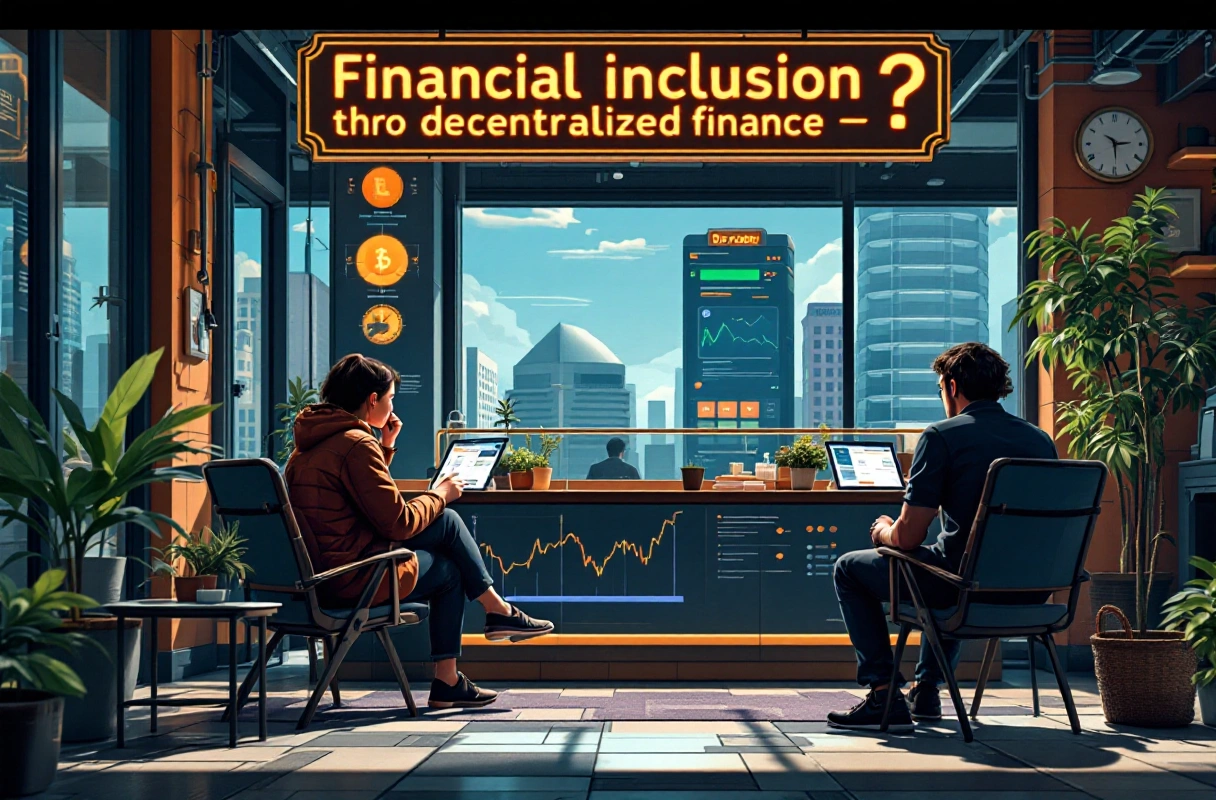
Financial Inclusion through Decentralized Finance
One of the most promising aspects of decentralized finance is its potential to enhance financial inclusion. DeFi can provide access to financial services for individuals who are unbanked or underbanked, creating opportunities for economic empowerment.
Access to Financial Services
Many people around the world lack access to traditional banking systems. DeFi platforms enable these individuals to access essential financial services, such as lending, borrowing, and trading, without the need for intermediaries. This democratization of finance is expected to accelerate in the coming years.
Users can participate in lending and borrowing without credit scores.
Global access allows individuals in developing countries to engage in the economy.
DeFi platforms often have lower barriers to entry compared to traditional banks.
Microfinance and Peer-to-Peer Lending
DeFi facilitates microfinance and peer-to-peer lending, allowing individuals to lend small amounts of money to others in need. This model can empower entrepreneurs in emerging markets, providing them with the capital necessary to start businesses or invest in education.
Smart contracts automate the lending process, reducing costs.
Borrowers can access funds more quickly than through traditional channels.
Lenders can earn interest on their investments while supporting local economies.
Yield Farming and Staking: Evolving Strategies
Yield farming and staking are integral components of the DeFi ecosystem, allowing users to earn returns on their cryptocurrency holdings. These strategies are evolving, with new opportunities arising as the market matures.
Innovative Yield Farming Strategies
Yield farming involves providing liquidity to DeFi protocols in exchange for rewards. As competition increases, new strategies are emerging that allow users to maximize their returns. Understanding these strategies is vital for anyone looking to participate in yield farming effectively.
Users can combine different DeFi tokens to create optimized yield strategies.
Layered yield farming, which involves staking rewards from one protocol into another, is gaining popularity.
Risk management strategies are essential to navigate the complexities of yield farming.
The Importance of Staking
Staking is another method by which users can earn passive income from their cryptocurrency holdings. As more projects implement staking mechanisms, the importance of understanding how to stake effectively becomes paramount.
Staking rewards can significantly enhance overall returns.
Users should consider lock-up periods and rewards when choosing staking options.
Diversifying across multiple staking opportunities can mitigate risks.
The Future of Decentralized Finance
As we look toward 2026, the future of decentralized finance appears bright. The trends discussed in this article highlight the ongoing evolution of the DeFi landscape, driven by technological advancements and a growing user base.
Regulatory Developments
Regulatory clarity will play a significant role in shaping the future of DeFi. As governments around the world begin to establish frameworks for cryptocurrency and DeFi, participants must stay informed about potential changes that could impact their operations.
Regulations may introduce new compliance requirements for DeFi projects.
Clear guidelines can help foster trust and legitimacy in the DeFi sector.
Collaborations between regulators and the DeFi community may lead to more informed policies.
Integration with Traditional Finance
The lines between decentralized finance and traditional finance are gradually blurring. As traditional financial institutions explore ways to integrate DeFi solutions, the potential for collaboration increases. This convergence could bring DeFi to a broader audience while enhancing the overall financial ecosystem.
Banks may offer DeFi services to their customers.
Traditional investment vehicles could incorporate DeFi assets.
Partnerships between DeFi platforms and financial institutions may drive innovation.
The Intersection of DeFi and Innovation
As decentralized finance continues to evolve, its push toward inclusivity, stronger security frameworks, and broader real-world adoption is reshaping the future of global finance. For founders, investors, and innovators, understanding these shifts is key to spotting opportunities early and contributing to a more open and resilient financial ecosystem.
If you're ready to explore where DeFi is headed next, Outer Edge is here to help expand your perspective. We create spaces—whether on stage, on camera, or out in the world—where the brightest builders come together to exchange ideas and spark innovation. Connect with Outer Edge to dive deeper into the future of decentralized finance and discover where your next breakthrough might begin.
Subscribe to Edge Of Weekly
Join more than 40k+ investors, dreamers, builders & experts in getting exclusive weekly content and access to the top 1% of Web3, Blockchain, and AI globally!





.svg)





.png)


