What Role AI Plays in Robotics and Automation Systems
No items found.
Updated on:
February 24, 2026
What Role AI Plays in Robotics and Automation Systems
Updated on:
February 24, 2026
As technology continues to evolve, the fusion of AI and robotics is transforming industries at an unprecedented rate. The integration of artificial intelligence into robotics systems is not merely an enhancement but a fundamental shift that enhances capabilities, operational efficiency, and adaptability. This article explores the critical role AI plays in enhancing robotics and automation systems, highlighting its applications, benefits, and future potential.
The Intersection of AI and Robotics Technology
Artificial intelligence serves as a cornerstone in the development of advanced robotics technology. At its core, AI enables machines to process data, learn from experiences, and make decisions with minimal human intervention. This capability is crucial for robotics, as it allows machines to operate autonomously in complex environments, adapting to changes and unexpected conditions. For instance, AI algorithms can analyze vast amounts of data from sensors and cameras to identify objects, navigate spaces, and perform tasks that traditionally required human intelligence.
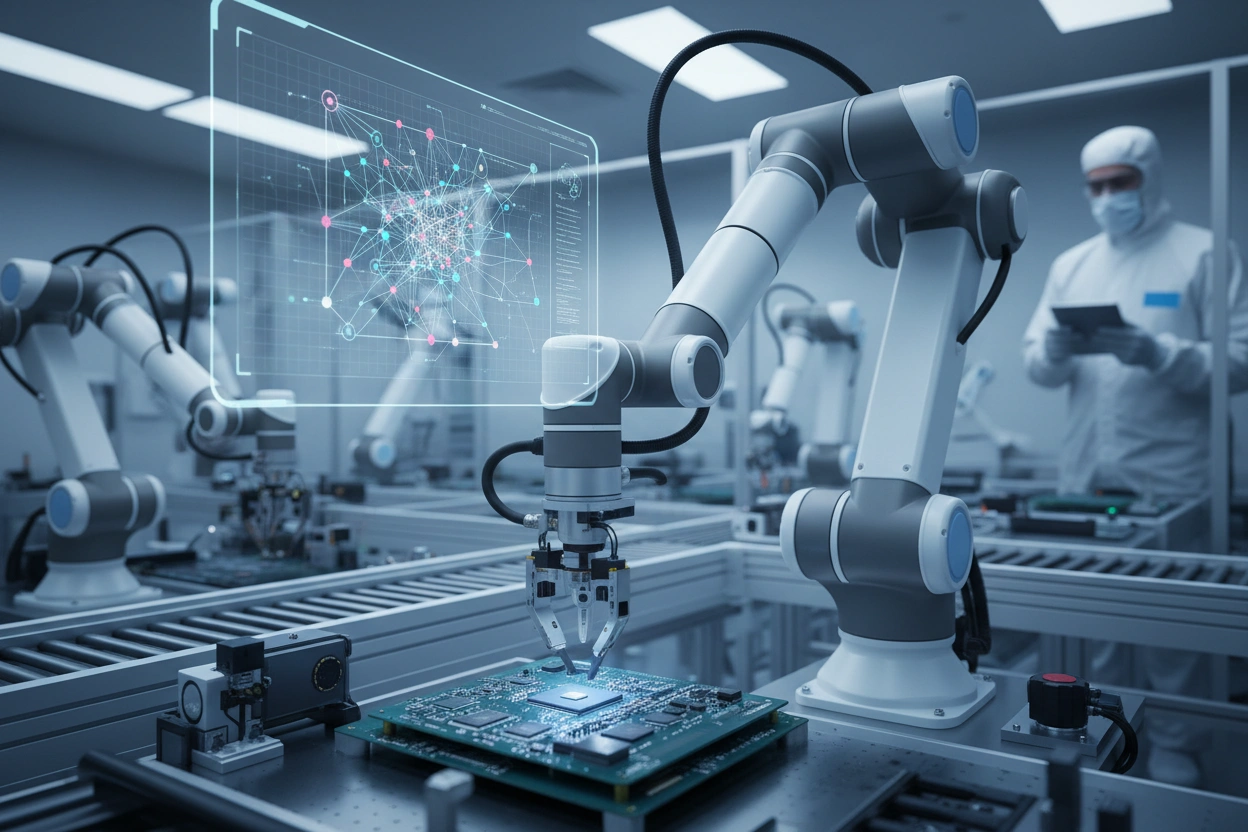
The synergy between AI and robotics is evident in various applications across industries. In manufacturing, robots equipped with AI can optimize production processes by learning from historical performance data and adjusting operations in real-time. This integration leads to smarter automation solutions that enhance productivity and reduce downtime. The continuous feedback loop between AI and robotics creates systems capable of self-improvement, making them more efficient over time. This iterative learning process is vital for industries seeking to maintain competitive advantages in rapidly evolving markets.
Applications of AI in Automation Systems
AI-driven automation solutions have permeated various sectors, demonstrating their versatility and effectiveness. In the automotive industry, for example, AI-powered robots are employed in assembly lines to perform tasks such as welding and painting with precision and speed. These robots can adapt to different vehicle models, reducing the need for extensive reprogramming and allowing for more flexible manufacturing processes.
Another notable application can be found in logistics and supply chain management. Companies like Amazon utilize AI-enabled robots to manage inventory and fulfill orders. These robots can navigate complex warehouse environments, optimizing the picking and packing process by analyzing real-time data on stock levels and order priorities. The successful integration of AI in these automation systems showcases how organizations can leverage technology to streamline operations and enhance customer satisfaction.
The Advantages of Integrating AI With Robotics
Integrating AI with robotics offers numerous advantages, particularly in terms of efficiency and productivity. AI algorithms can analyze data patterns, enabling robots to optimize their performance in real-time. This capability leads to increased throughput in manufacturing environments, as machines can operate at peak efficiency without the need for constant human oversight. Organizations that implement AI-driven automation often report significant improvements in operational metrics, such as reduced cycle times and lower production costs.
Additionally, the integration of AI helps minimize human error in automated processes. Traditional automation systems often rely on predefined rules, which can lead to mistakes if unexpected variables arise. AI, on the other hand, allows robots to learn from past experiences and adjust their actions accordingly. This adaptability not only enhances the reliability of automated systems but also improves overall safety in environments where humans and machines work side by side. By reducing the risk of errors, businesses can achieve more consistent outcomes and maintain higher quality standards.
Challenges in AI and Robotics Integration
Despite the numerous benefits, challenges persist in the integration of AI and robotics. One major hurdle is the technical complexity involved in developing and maintaining these systems. Implementing AI requires substantial investments in infrastructure, data management, and ongoing support. Organizations must ensure that their systems can handle the vast amounts of data generated by AI algorithms while maintaining security and compliance with industry regulations.
Ethical considerations also play a significant role in the future of robotics. As AI systems become more autonomous, concerns about job displacement and the ethical implications of machine decision-making arise. The potential for AI to replace human jobs in sectors like manufacturing and logistics raises questions about workforce retraining and the need for new employment opportunities. Businesses must navigate these ethical dilemmas while balancing technological advancement with social responsibility.
Where AI-Driven Automation Is Headed Next
AI-powered robotics is moving beyond efficiency gains and into a new phase of collaboration, adaptability, and real-world impact. From cobots that safely augment human work to intelligent systems that learn and respond to changing environments, automation is becoming less about replacement and more about amplification. Organizations that understand this shift—and prepare for it—will be better equipped to compete as operational standards evolve across industries.
At Outer Edge, we aim to help you expand your horizons around how AI and robotics are converging in practice. You’ll find us around the world at impactful gatherings—sometimes hosting, sometimes creating media, sometimes just vibing—connecting with the builders, operators, and thinkers shaping the next era of automation and intelligent systems.
Subscribe to Edge Of Weekly
Join more than 40k+ investors, dreamers, builders & experts in getting exclusive weekly content and access to the top 1% of Web3, Blockchain, and AI globally!



.svg)



.png)


