From Smart Devices to Automation: Are Robots the Next Platform or the Last Interface?
No items found.
Updated on:
January 25, 2026
From Smart Devices to Automation: Are Robots the Next Platform or the Last Interface?
Updated on:
January 25, 2026
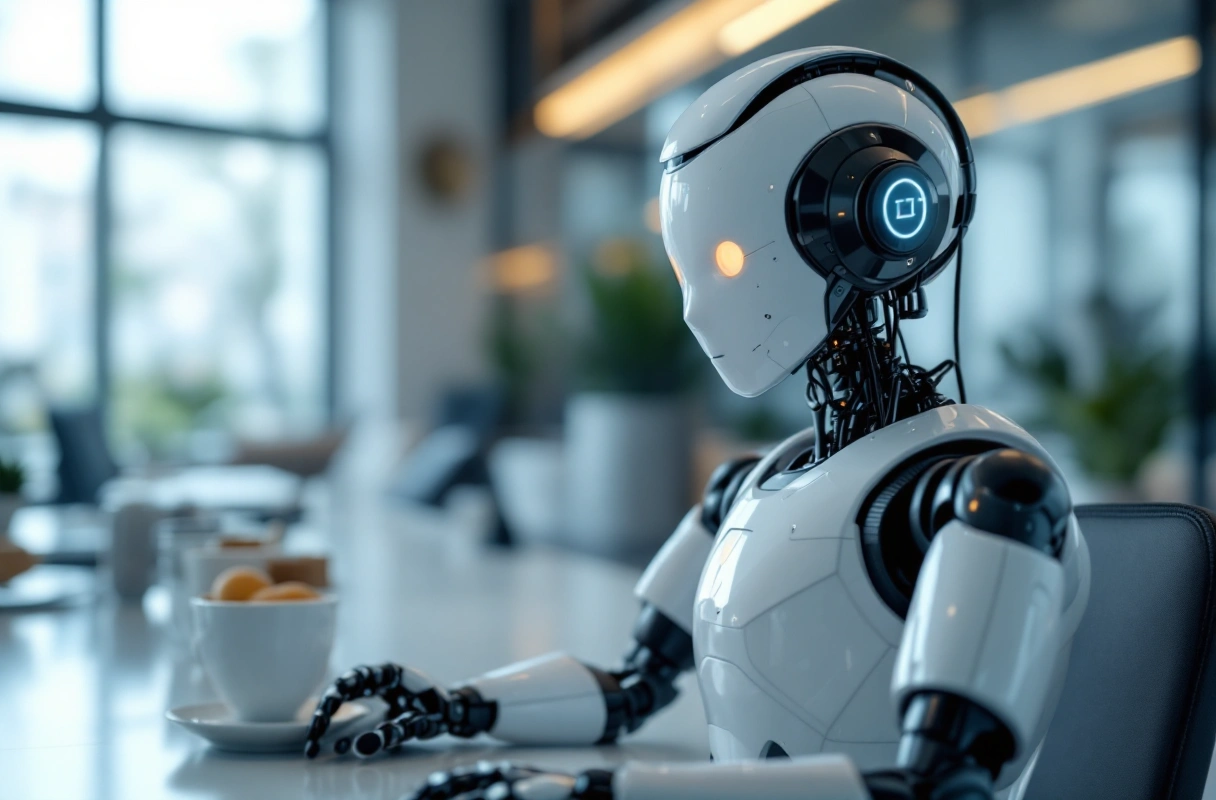
Imagine a world where robots seamlessly integrate into our daily lives, enhancing both productivity and convenience. This vision is becoming increasingly tangible as advancements in robotics and automation technology continue to develop at a rapid pace. As we navigate through these innovations, the question arises: are robots the next technological platform that will redefine our interaction with machines, or are they simply the last interface we will ever need? This article explores the evolving landscape of robotics, examining the implications of this technological evolution for society and the future of human-robot interaction.
The Evolution of Robotics and Its Impact on Society
The historical context of robotics reveals a journey marked by significant technological milestones. The concept of robotics dates back to ancient civilizations, but it wasn't until the mid-20th century that the field began to take shape with the development of the first programmable robots. These early machines were primarily utilized in manufacturing, revolutionizing production lines and paving the way for increased efficiency and reduced labor costs. Over the decades, robotics has evolved dramatically, incorporating advancements in artificial intelligence (AI), machine learning, and sensor technology.
Today, the current state of automation technology reflects a convergence of robotics with AI, leading to a new era where machines can perform complex tasks with minimal human intervention. Industries such as healthcare, logistics, and agriculture are increasingly leveraging these technologies to improve processes and outcomes. For instance, robotic surgery systems enable precise surgical procedures, while automated drones enhance agricultural monitoring and crop management. As these technologies continue to mature, their impact on society will only deepen, influencing job markets, economic structures, and daily life.
How AI Is Shaping User Interfaces Today
AI plays a pivotal role in enhancing user experience across various platforms. The integration of AI in user interfaces allows for more intuitive and responsive interactions, facilitating a smoother experience for users. For example, voice-activated assistants like virtual agents utilize natural language processing to understand and respond to user commands effectively. This shift towards AI-driven interfaces signifies a move away from traditional input methods, such as keyboards and touchscreens, toward more natural forms of communication.
Numerous AI-driven platforms exemplify this trend. For instance, chatbots are increasingly deployed in customer service to provide instant support, enabling businesses to improve response times and customer satisfaction. Additionally, personalized recommendation systems on e-commerce platforms utilize AI algorithms to analyze user behavior and preferences, thereby enhancing the shopping experience. These advancements not only streamline interactions but also set the stage for a future where AI-driven interfaces become commonplace across various sectors.
The Role of Human-Robot Interaction in Digital Transformation
Human-robot interaction (HRI) is becoming an essential component of digital transformation in modern workplaces. As organizations adopt robotic solutions, understanding how humans and robots collaborate is crucial for maximizing productivity and ensuring a seamless integration of technology. Effective HRI fosters trust and acceptance among users, which is vital for the successful implementation of robotic systems.
Case studies of successful HRI implementations illustrate the significance of this interaction. In the manufacturing sector, collaborative robots (cobots) work alongside human operators, enhancing productivity while maintaining safety standards. For instance, automotive assembly lines have integrated cobots that assist workers in lifting heavy components, thereby reducing fatigue and the risk of injury. Additionally, healthcare facilities are employing robots to assist nurses with patient care, allowing them to focus on more critical tasks. These examples highlight how fostering positive human-robot relationships can drive efficiency and innovation in various industries.
Exploring Next Generation Interfaces and Automation Technology Trends
Emerging technologies in automation are transforming the landscape of user interfaces and operational efficiency. As robotics continues to evolve, trends such as robotic process automation (RPA) are gaining traction across industries. RPA involves the use of software robots to automate repetitive tasks, allowing human workers to focus on more strategic activities. This shift not only enhances productivity but also reduces the likelihood of errors associated with manual processes.
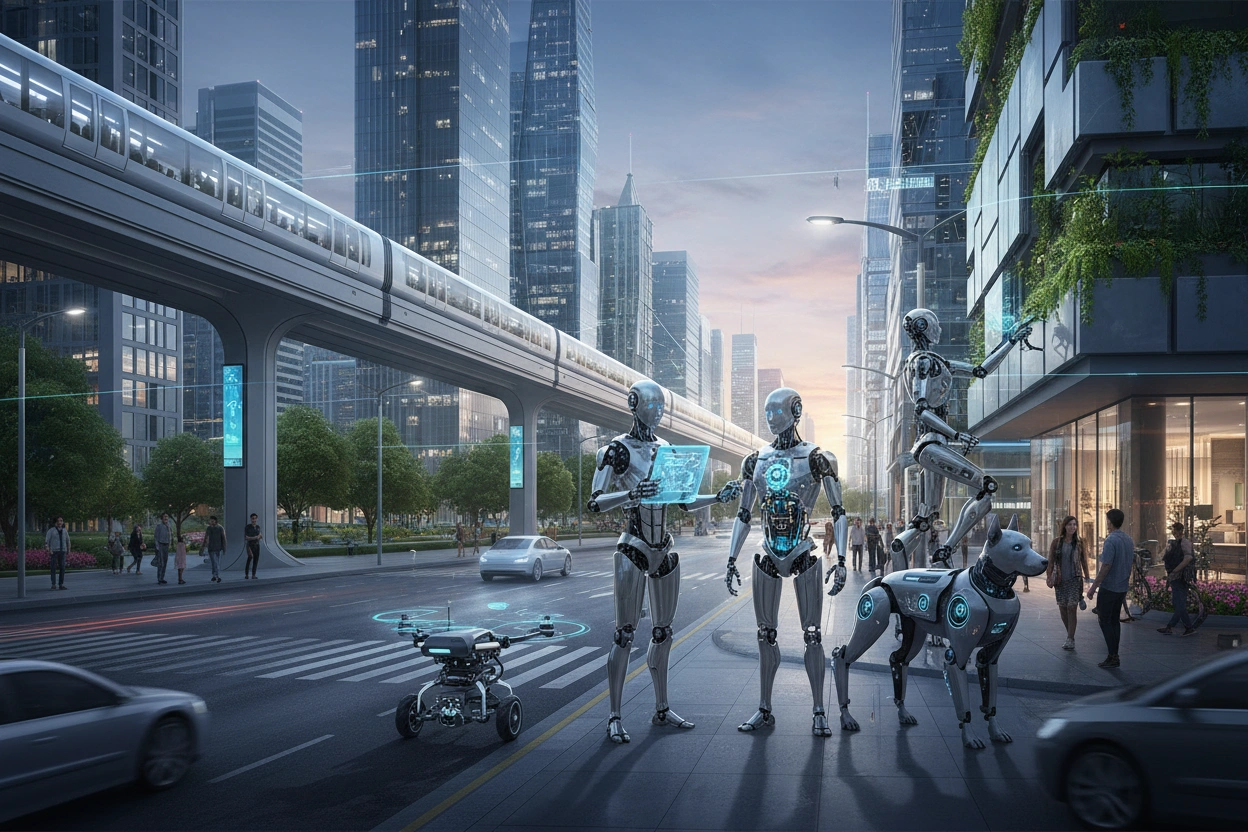
The significance of RPA can be seen in sectors such as finance and healthcare, where organizations are automating data entry, compliance reporting, and claims processing. By implementing RPA, companies can streamline their operations, resulting in significant cost savings and improved accuracy. Additionally, the rise of smart devices and IoT (Internet of Things) technology is facilitating a more interconnected environment, where robots and automation systems can communicate and share data in real-time. This interconnectivity opens the door for innovative applications and solutions that will shape the future of work and user interfaces.
Robotics as the Next Platform or the Final Interface
As robotics advances alongside AI and automation, the question isn’t just about capability—it’s about role. Robots have the potential to become a foundational platform that reshapes productivity, interaction, and how humans interface with the digital world. At the same time, they may also represent the final interface, abstracting complexity away from screens and software entirely. Designing these systems with trust, usability, and collaboration at the core will determine whether robotics amplifies human potential or creates new friction.
At Outer Edge, we spend time at the intersection of these possibilities—through global gatherings, future-facing conversations, and communities exploring what comes after today’s platforms. If you’re thinking about how robotics and automation fit into the next wave of technological evolution, come connect with us and expand your perspective on where humans and machines meet next.
Subscribe to Edge Of Weekly
Join more than 40k+ investors, dreamers, builders & experts in getting exclusive weekly content and access to the top 1% of Web3, Blockchain, and AI globally!




.svg)




.png)


