NFT Integration in Web3 Gaming and Entertainment Explained
No items found.
Updated on:
December 1, 2025
NFT Integration in Web3 Gaming and Entertainment Explained
Updated on:
December 1, 2025
The landscape of gaming and entertainment has undergone a significant transformation with the advent of Web3 technologies. One of the standout elements of this evolution is the integration of Non-Fungible Tokens (NFTs), which have opened new avenues for user engagement, ownership, and monetization. As the industry matures, understanding the role of NFTs in web3 gaming and entertainment is essential for stakeholders ranging from developers to investors. This article will provide a comprehensive overview of how NFTs are reshaping the gaming and entertainment sectors, with a focus on their functionality, benefits, and the innovative experiences they facilitate.
Understanding NFTs in Gaming: A Comprehensive Overview
NFTs represent ownership of unique digital assets on the blockchain, providing gamers and creators with a verifiable claim to their items, characters, and experiences. This ownership is not just theoretical; it allows players to buy, sell, and trade their assets in a decentralized manner. In the context of web3 gaming and entertainment, NFTs serve several critical functions:
The Role of NFTs in Game Mechanics
NFTs can be integrated into various game mechanics, enhancing the overall gaming experience. They can represent:
In-Game Assets: Characters, skins, weapons, and other items can be tokenized as NFTs, allowing players to truly own their possessions.
Game Progression: Players can earn NFTs through achievements, representing milestones in their gaming journey that can be traded or sold.
Community Engagement: NFTs can facilitate community-building by offering exclusive content or access to events for NFT holders.
For example, in many decentralized gaming ecosystems, players can earn NFTs by completing quests or challenges. These assets can then be sold on secondary markets, allowing players to monetize their skills and time investment.
Marketplaces and Ownership Dynamics
The emergence of NFT marketplaces has revolutionized how assets are bought and sold within the gaming community. Players can trade their NFTs without relying on traditional intermediaries, which fosters a sense of autonomy and community trust. The decentralized nature of these transactions also means that players can engage with a global audience, expanding the potential market for their digital assets.
The Impact of Blockchain Technology
Blockchain technology underpins the entire NFT ecosystem, ensuring transparency and security. Each NFT is linked to a unique identifier on the blockchain, making it easy to verify ownership and provenance. This is particularly important in gaming, where the rarity and uniqueness of assets can significantly affect their value. Players are less likely to experience fraud or scams, leading to a more secure gaming environment.
Exploring Key Benefits of NFTs in Web3 Gaming
The integration of NFTs into gaming and entertainment brings several benefits that can enhance user experience and engagement. Here are some of the most notable advantages:
Enhanced Player Ownership
Players have complete control over their in-game assets, which can be bought, sold, or traded as they see fit. This ownership extends beyond the confines of a single game, as NFTs can often be used across different platforms and games, creating a more interconnected gaming experience.
New Revenue Streams for Developers
Developers can monetize their games in innovative ways. By issuing NFTs, they can create limited edition items or collectibles that generate additional revenue. This model can reduce reliance on traditional monetization strategies, such as microtransactions or subscription fees.
Fostering Community Engagement
NFTs can create a sense of belonging among players. By holding certain NFTs, players may gain access to exclusive events, content, or even governance within gaming communities. This engagement fosters loyalty and encourages players to invest more time and resources into the game.
Interoperability and Cross-Game Functionality
NFTs can facilitate interoperability, allowing assets to be used across different games and platforms. This expands the utility of NFTs and enhances the overall gaming experience. For instance, a character skin purchased in one game might also be usable in another, enriching the player's investment in their digital identity.
Common Misconceptions about NFTs in Gaming
Despite the advantages, there are several misconceptions surrounding NFTs in gaming that can deter potential users and developers. Addressing these misconceptions is crucial for wider acceptance and understanding of NFTs.
Misconception 1: NFTs Are Just Speculative Assets
While speculation does exist in the NFT market, many NFTs provide genuine utility within games. They are not merely collectibles; they can enhance gameplay and offer real value to players. Understanding this utility can shift the perspective from seeing NFTs as speculative assets to viewing them as integral components of gaming experiences.
Misconception 2: NFTs Are Environmentally Harmful
Concerns about the environmental impact of blockchain technology, particularly regarding energy consumption, are valid. However, many platforms are transitioning to more sustainable practices, such as proof-of-stake mechanisms that significantly reduce energy usage. Developers are increasingly aware of these issues and are striving for more eco-friendly solutions in their NFT implementations.
Misconception 3: NFTs Are Only for Hardcore Gamers
NFTs are often perceived as being exclusive to hardcore gamers or collectors. However, their integration into casual games and interactive entertainment can broaden their appeal. As more games incorporate NFTs, casual gamers may find new ways to engage with these technologies, increasing overall participation.
The Future of NFTs in Web3 Gaming and Entertainment
The landscape of web3 gaming and entertainment is evolving rapidly, with NFTs at the forefront of this transformation. As technology continues to advance, several trends are emerging:
Integration with Virtual Reality and Augmented Reality
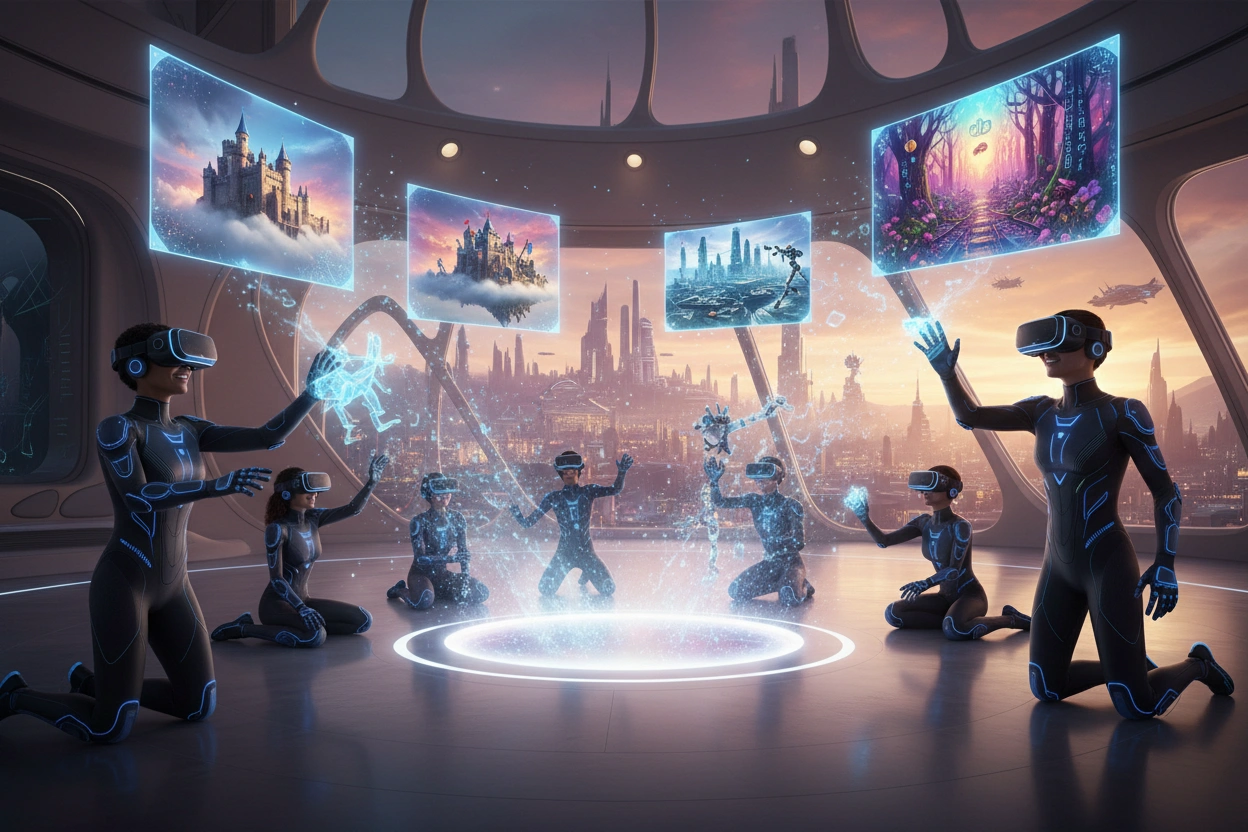
As virtual reality (VR) and augmented reality (AR) technologies become more mainstream, the integration of NFTs in these environments will likely increase. Players could own virtual assets that they can interact with in immersive worlds, enhancing the gaming experience.
Play-to-Earn Models
The play-to-earn model has gained traction in recent years, allowing players to earn real-world value from their gaming activities. NFTs will play a pivotal role in this model, as players can earn and trade tokens based on their in-game accomplishments. This approach not only incentivizes engagement but also democratizes income generation in gaming.
Decentralized Autonomous Organizations (DAOs)
DAOs are emerging as a way for gaming communities to govern themselves. By using NFTs as voting tokens, players can influence game development decisions, content updates, and other community-related matters. This governance model can empower players and create a more collaborative gaming environment.
Actionable Insights for Developers and Investors
For developers and investors looking to navigate the NFT landscape in web3 gaming and entertainment, consider the following actionable insights:
Research and Understand the Technology
Familiarize yourself with blockchain technology and how NFTs function within gaming. Understanding the underlying mechanics will help in making informed decisions.
Focus on Community Building
Engage with your player base to create a community around your game. Use NFTs to incentivize participation and feedback.
Explore Cross-Platform Opportunities
Investigate how NFTs can enhance interoperability between games. This can increase the value of your NFTs and attract a broader audience.
Stay Informed about Regulatory Changes
The regulatory landscape surrounding NFTs and cryptocurrencies is constantly evolving. Stay informed to ensure compliance and to anticipate potential impacts on your projects.
The Intersection of NFTs and Interactive Entertainment
The rise of NFTs within interactive entertainment is reshaping what digital ownership truly means—turning players into participants, contributors, and stakeholders within the worlds they love. As web3 gaming continues to evolve, these assets unlock deeper community engagement, new economic loops, and richer creative ecosystems that extend far beyond traditional gameplay. Those who understand these shifts now will be well-positioned to help shape the next era of digital entertainment.
At Outer Edge, we love being wherever these cultural and technological breakthroughs come alive—curating meaningful gatherings, amplifying frontier creators, and connecting with communities exploring what’s possible at the edge of entertainment. If you're ready to explore how NFTs can elevate your gaming or media vision, come tap into the conversations and experiences happening across the Outer Edge universe.
Subscribe to Edge Of Weekly
Join more than 40k+ investors, dreamers, builders & experts in getting exclusive weekly content and access to the top 1% of Web3, Blockchain, and AI globally!



.svg)




.png)


