How Decentralized Tech Relies on Centralized Data Centers for Security
No items found.
Updated on:
January 25, 2026
How Decentralized Tech Relies on Centralized Data Centers for Security
Updated on:
January 25, 2026
In an age where technology is rapidly decentralizing, the paradox of reliance on centralized data centers raises critical questions. As decentralized technologies gain traction, their dependence on centralized infrastructure for security and reliability becomes increasingly evident. This article explores the intricate relationship between decentralized technologies and centralized data centers, highlighting their interdependencies and the essential role that data centers play in supporting decentralized systems.
The Foundation of Decentralized Technology
Decentralized technology refers to systems that operate without a central authority, allowing for distributed control and enhanced transparency. This model underpins various applications, notably in blockchain, where consensus is achieved through a network of nodes rather than a single governing body. The importance of decentralized technology lies in its potential to enhance user privacy, reduce the risk of single points of failure, and democratize access to information and resources.
Examples of decentralized finance (DeFi) platforms like Uniswap and Aave provide financial services without intermediaries, showcasing the power of decentralized technology to disrupt traditional financial systems. These applications demonstrate the versatility and potential impact of decentralized solutions across various sectors.
Why Centralized Data Centers Remain Crucial
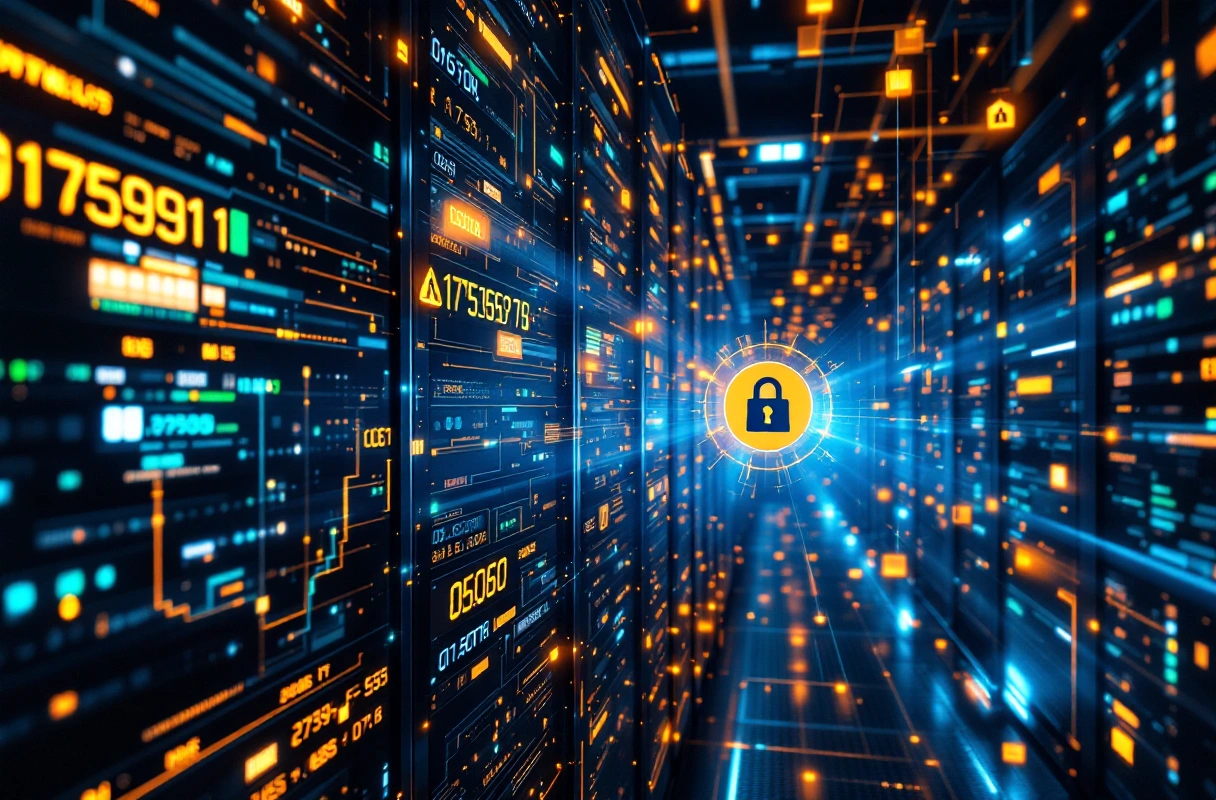
Despite the advantages of decentralized technology, centralized data centers continue to play a vital role in providing security and reliability. Centralized data centers are equipped with robust security measures, including physical security protocols, firewalls, and intrusion detection systems, which are essential for protecting sensitive data. These measures ensure that data integrity and availability are maintained, even in the face of cyber threats.
Moreover, the infrastructure capacity of centralized data centers far exceeds that of decentralized setups. Data centers are designed to handle vast amounts of data storage and processing power, which is crucial for applications that require real-time processing and high availability. For instance, centralized data centers can efficiently manage large-scale databases and provide redundancy, ensuring that data is backed up and accessible at all times. This capacity is particularly important for decentralized applications that need to operate seamlessly while relying on centralized resources for data storage and processing.
Cloud Computing: Bridging the Gap
Cloud computing serves as a vital link between decentralized and centralized systems, integrating both aspects to enhance functionality and security. By leveraging cloud infrastructure, decentralized applications can access centralized resources while maintaining their core principles of decentralization. This hybrid approach allows for scalability and flexibility, enabling developers to deploy dApps that can adapt to changing demands.
The advantages of hybrid cloud models for security are particularly noteworthy. By combining on-premises data centers with cloud resources, organizations can optimize their data storage solutions. This model not only enhances data redundancy and backup capabilities but also allows for improved disaster recovery options. For decentralized applications, using cloud services can help mitigate risks associated with downtime and data loss, ensuring that users have continuous access to the services they rely on.
The Interplay Between Decentralization and Data Storage Solutions
Decentralized applications often utilize centralized data solutions to enhance their functionality and performance. This interplay highlights the importance of having a reliable data storage infrastructure while maintaining the benefits of decentralization. For example, many dApps rely on centralized databases to store user information or transaction records, allowing for faster access and processing times.
Looking ahead, the future of data storage in a decentralized world will likely involve a blend of both centralized and decentralized solutions. Innovations in distributed storage technologies, such as InterPlanetary File System (IPFS) and Filecoin, are paving the way for more efficient data storage while still allowing for decentralized access. As these technologies mature, we may see a more integrated approach where decentralized applications can seamlessly interact with centralized data centers to leverage their security and capacity without sacrificing their decentralized nature.
Why Decentralization Still Relies on Centralized Foundations
Decentralized technologies may challenge traditional system design, but they don’t exist in isolation. Centralized data centers continue to provide the backbone that enables reliability, performance, and security at scale. As decentralized applications mature, their integration with centralized infrastructure is becoming more intentional—balancing autonomy with the practical demands of uptime, throughput, and global accessibility.
At Outer Edge, we spend time where these architectural realities are being explored in real-world contexts—through global gatherings, technical conversations, and communities building at the edge of infrastructure innovation. If you’re navigating how decentralized systems intersect with centralized foundations, come connect with us and expand your perspective on how the future of technology is being built by combining the strengths of both worlds.
Subscribe to Edge Of Weekly
Join more than 40k+ investors, dreamers, builders & experts in getting exclusive weekly content and access to the top 1% of Web3, Blockchain, and AI globally!



.svg)





.png)


