Optimizing Data Center Infrastructure for Network Security Needs
No items found.
Updated on:
December 28, 2025
Optimizing Data Center Infrastructure for Network Security Needs
Updated on:
December 28, 2025
As businesses increasingly rely on digital solutions and cloud computing, the importance of robust infrastructure becomes paramount. With the rapid evolution of cyber threats, organizations must adopt proactive measures to safeguard their data and maintain operational continuity. This article will provide a comprehensive look at optimizing data center infrastructure to meet network security needs, while also addressing the top trends in data center infrastructure for emerging technologies.
Understanding Data Center Infrastructure
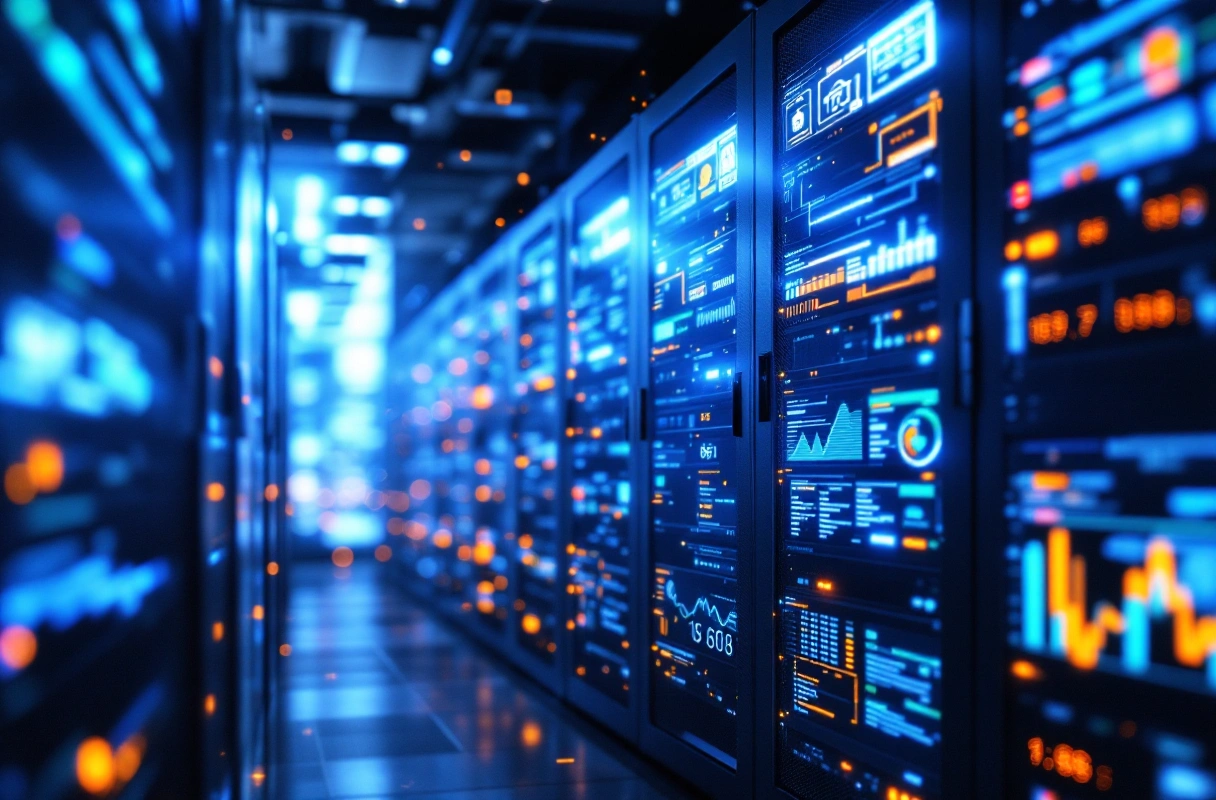
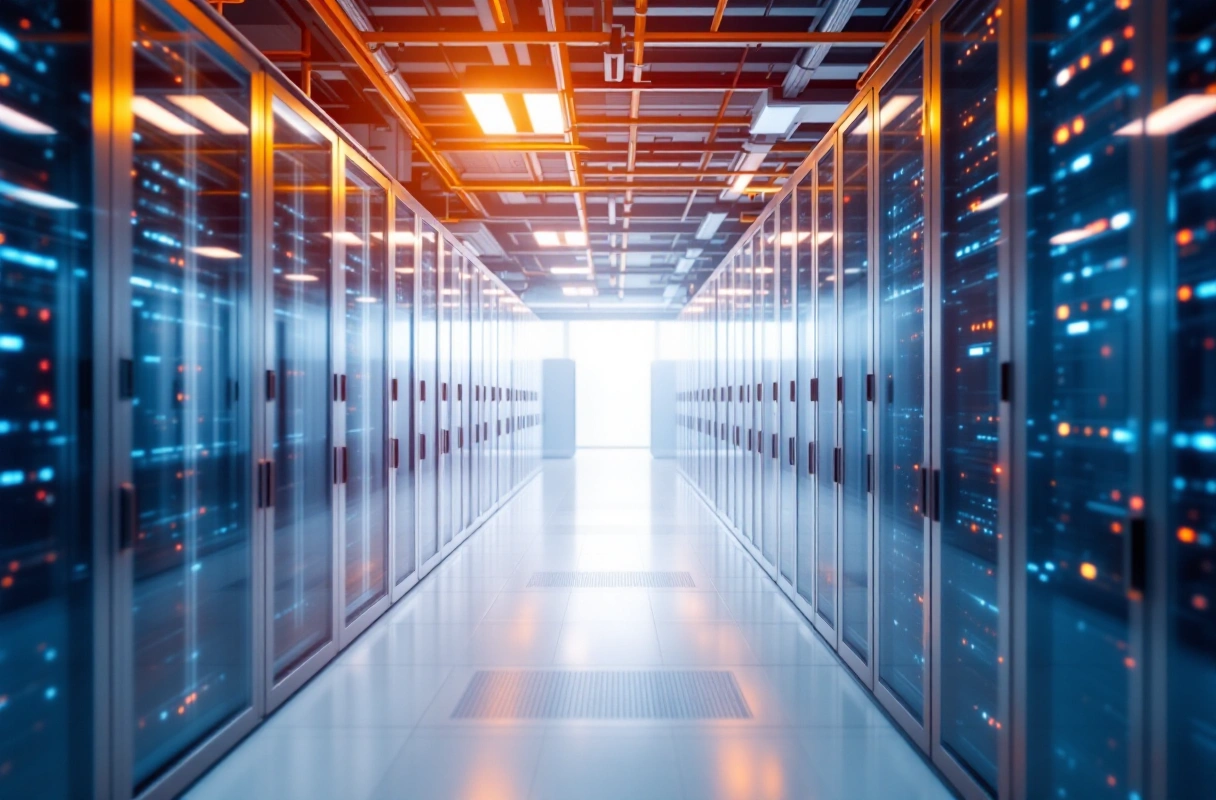
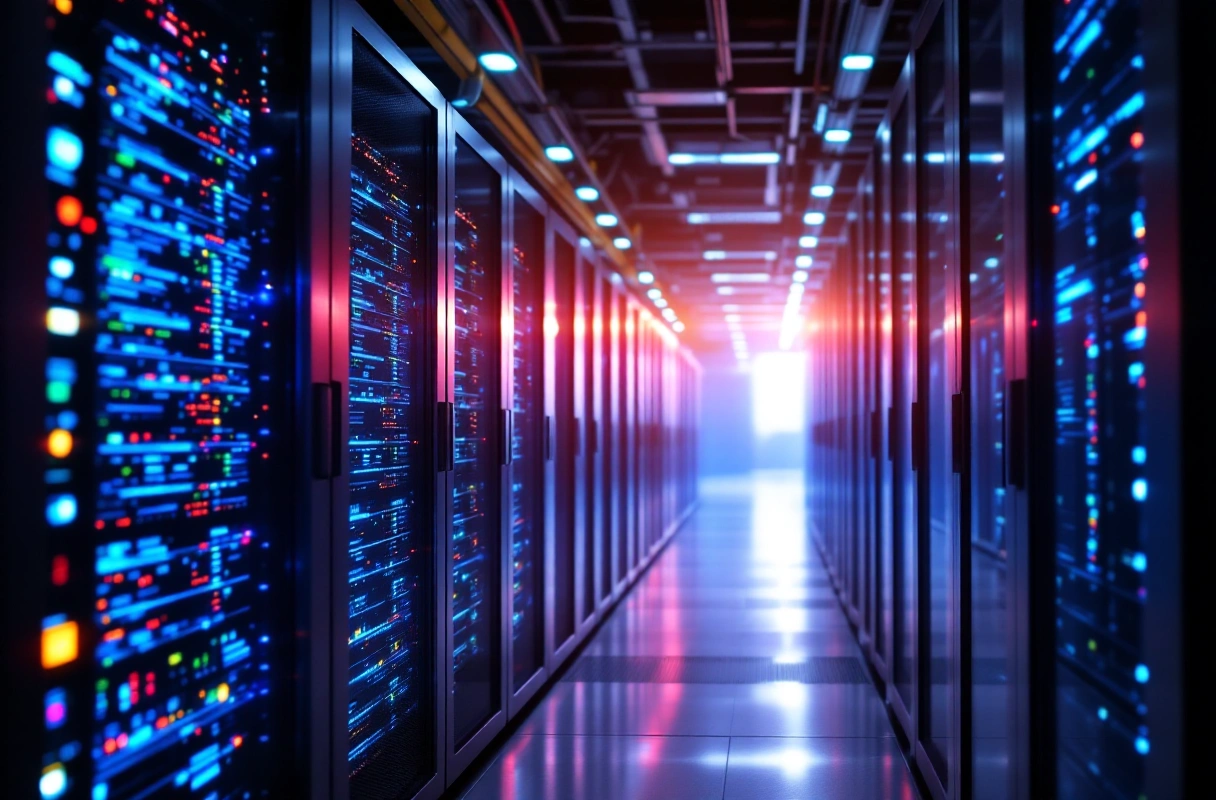
Data center infrastructure encompasses all the physical and virtual resources that support the processing, storage, and dissemination of data. This includes hardware components such as servers, networking equipment, storage systems, and the software that manages these resources. A well-designed data center not only enhances performance but also ensures security, scalability, and energy efficiency.
Key Components of Data Center Infrastructure
Servers: The backbone of any data center, servers process data and run applications. Their configuration, capacity, and performance directly impact network security. The use of virtualization solutions can enhance server efficiency and reduce hardware costs.
Networking Equipment: This includes switches, routers, and firewalls that facilitate data transfer and communication between devices. Proper configuration and management of this equipment are essential for maintaining security protocols and preventing unauthorized access.
Storage Solutions: Data storage systems must be robust and secure. Organizations often opt for a combination of on-premises storage and cloud computing solutions to ensure data redundancy and accessibility.
Power and Cooling Systems: These systems ensure that the data center operates efficiently, preventing overheating and power failures that could compromise security. Energy efficiency is increasingly important as organizations seek to reduce operational costs and environmental impact.
Security Protocols: Implementing strong security measures, such as intrusion detection systems, access controls, and encryption, is vital to protect sensitive data from cyber threats.
Top Trends in Data Center Infrastructure for Emerging Technologies
As technology continues to advance, data center infrastructure must evolve to accommodate new trends and requirements. Here are some of the most significant trends shaping the landscape in 2025:
1. Edge Computing
Edge computing is gaining traction as organizations seek to reduce latency and improve data processing capabilities. By processing data closer to the source, businesses can enhance the performance of applications and improve network security by minimizing the data that travels over the internet.
Benefits of Edge Computing:
Reduced latency for real-time applications
Enhanced data privacy and security
Lower bandwidth costs by processing data locally
2. Cloud Integration
Cloud computing continues to transform data center infrastructure. Organizations are increasingly adopting hybrid cloud models that combine on-premises resources with cloud solutions. This approach provides flexibility, scalability, and improved disaster recovery options.
Considerations for Cloud Integration:
Ensure compliance with data protection regulations
Implement security measures to protect data in transit and at rest
Evaluate cloud service providers based on their security protocols and reliability
3. Energy Efficiency and Sustainability
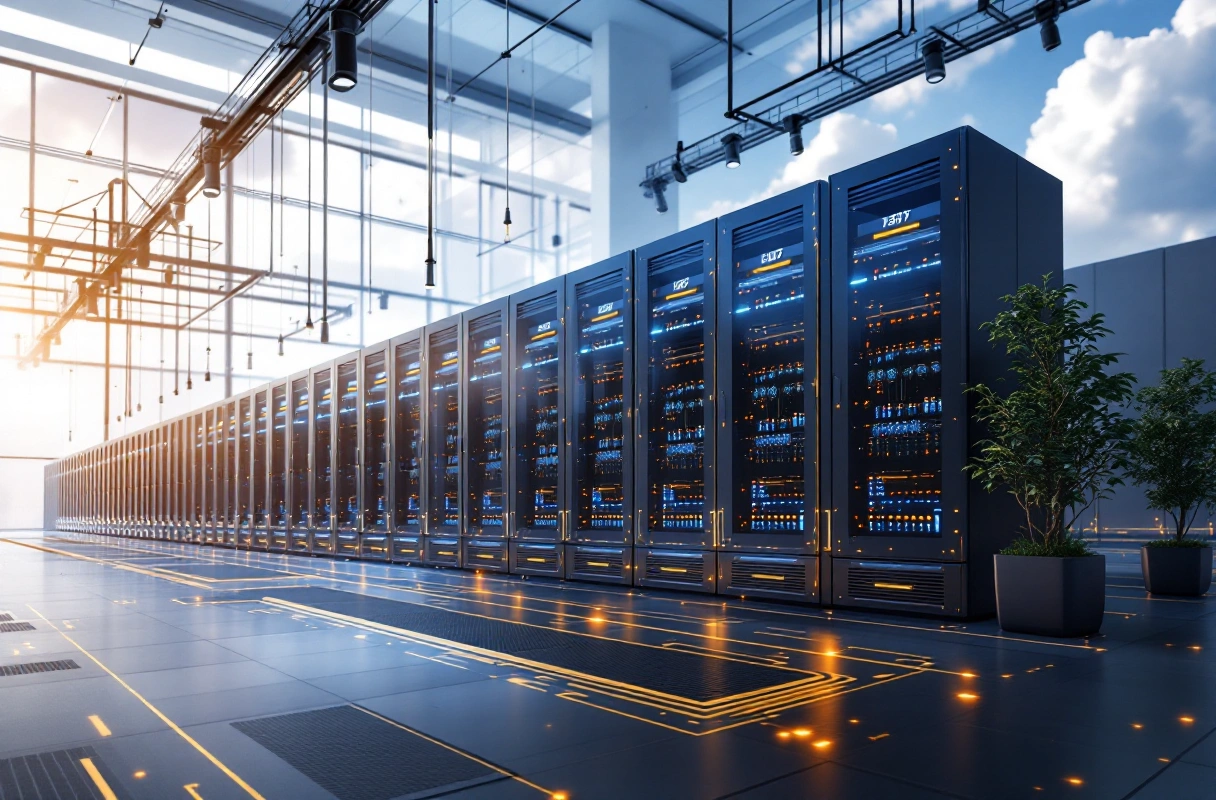
With growing concerns about climate change, energy efficiency has become a priority for data center operators. Organizations are investing in energy-efficient technologies and practices to reduce their carbon footprint while maintaining operational efficiency.
Strategies for Enhancing Energy Efficiency:
Utilize advanced cooling techniques, such as liquid cooling or free cooling
Implement energy management systems to monitor and optimize power consumption
Consider renewable energy sources to power data centers
4. Artificial Intelligence and Automation
Artificial intelligence (AI) is revolutionizing data center management by enabling predictive analytics and automation. AI-driven tools can optimize resource allocation, predict hardware failures, and enhance security by identifying anomalies in network traffic.
Applications of AI in Data Centers:
Automated monitoring and reporting of infrastructure health
Predictive maintenance to reduce downtime
Enhanced security measures through anomaly detection
5. Enhanced Security Measures
As cyber threats become more sophisticated, organizations must implement advanced security measures to protect their data center infrastructure. This includes adopting a zero-trust security model, which assumes that threats could originate from both inside and outside the network.
Elements of a Zero-Trust Security Model:
Continuous verification of user identities and devices
Micro-segmentation of network resources to limit access
Regular security assessments and updates to security protocols
Best Practices for Optimizing Data Center Infrastructure
To effectively optimize data center infrastructure for network security needs, organizations should follow these best practices:
1. Conduct Regular Security Audits
Regular security audits are essential for identifying vulnerabilities in data center infrastructure. These audits should assess hardware, software, and network configurations to ensure compliance with security standards.
2. Implement Strong Access Controls
Access controls are critical for protecting sensitive data. Organizations should enforce role-based access control (RBAC) policies to limit access to authorized personnel only. Multi-factor authentication (MFA) can further enhance security.
3. Utilize Virtualization Solutions
Virtualization solutions allow organizations to optimize resource utilization and reduce hardware costs. By creating virtual instances of servers and storage, businesses can improve flexibility and scalability while enhancing security through isolation.
4. Monitor Network Traffic
Continuous monitoring of network traffic is vital for detecting anomalies and potential threats. Utilizing intrusion detection systems (IDS) can help organizations identify unauthorized access attempts and respond promptly.
5. Train Staff on Security Awareness
Human error remains one of the leading causes of security breaches. Regular training on security best practices and awareness can help employees recognize potential threats and respond effectively.
Common Misconceptions About Data Center Infrastructure
There are several misconceptions surrounding data center infrastructure that can lead to poor decision-making. Addressing these misunderstandings is crucial for optimizing security and performance.
Many believe that virtualization solutions inherently compromise security. However, when implemented correctly, virtualization can enhance security by isolating applications and limiting access to sensitive data.
Misconception 2: Cloud Solutions Are Always Less Secure
While cloud solutions can present security challenges, they also offer advanced security features that many on-premises solutions may lack. Organizations should carefully evaluate cloud providers based on their security measures rather than dismissing cloud computing outright.
Misconception 3: Energy Efficiency and Security Are Mutually Exclusive
Some organizations assume that increasing energy efficiency compromises security. In reality, energy-efficient technologies can be integrated with robust security measures, ensuring that data centers operate effectively without sacrificing safety.
The Future of Data Center Infrastructure and Network Security
As data center infrastructure advances and digital ecosystems become more complex, strengthening network security is no longer optional—it’s foundational. Organizations that embrace emerging technologies, modernize their infrastructure, and proactively safeguard their systems will be better positioned to meet the rising demands of performance, reliability, and protection.
If you’re exploring how to elevate your infrastructure strategy, Outer Edge can help broaden your perspective. We thrive on creating spaces—whether live gatherings, immersive media, or global meetups—where the builders of tomorrow exchange ideas and spark new solutions. Visit Outer Edge to discover how staying connected with the right community can inspire smarter, more secure approaches to data center innovation.
Subscribe to Edge Of Weekly
Join more than 40k+ investors, dreamers, builders & experts in getting exclusive weekly content and access to the top 1% of Web3, Blockchain, and AI globally!


.svg)



.png)


