Quantum technology is not just a buzzword; it is a groundbreaking field that is reshaping various industries, particularly healthcare. As we delve into the transformative potential of quantum sensors, it becomes evident that these technologies are poised to revolutionize diagnostics, treatment, and patient care. With applications ranging from precise imaging to enhanced monitoring, quantum technology is paving the way for innovations that were once considered science fiction.
In this article, we will explore how quantum sensors are changing the healthcare landscape, discuss their applications, and examine the broader implications of quantum technology. We will also touch upon the importance of securing patient data, emphasizing its importance in the healthcare sector.
Understanding Quantum Sensors
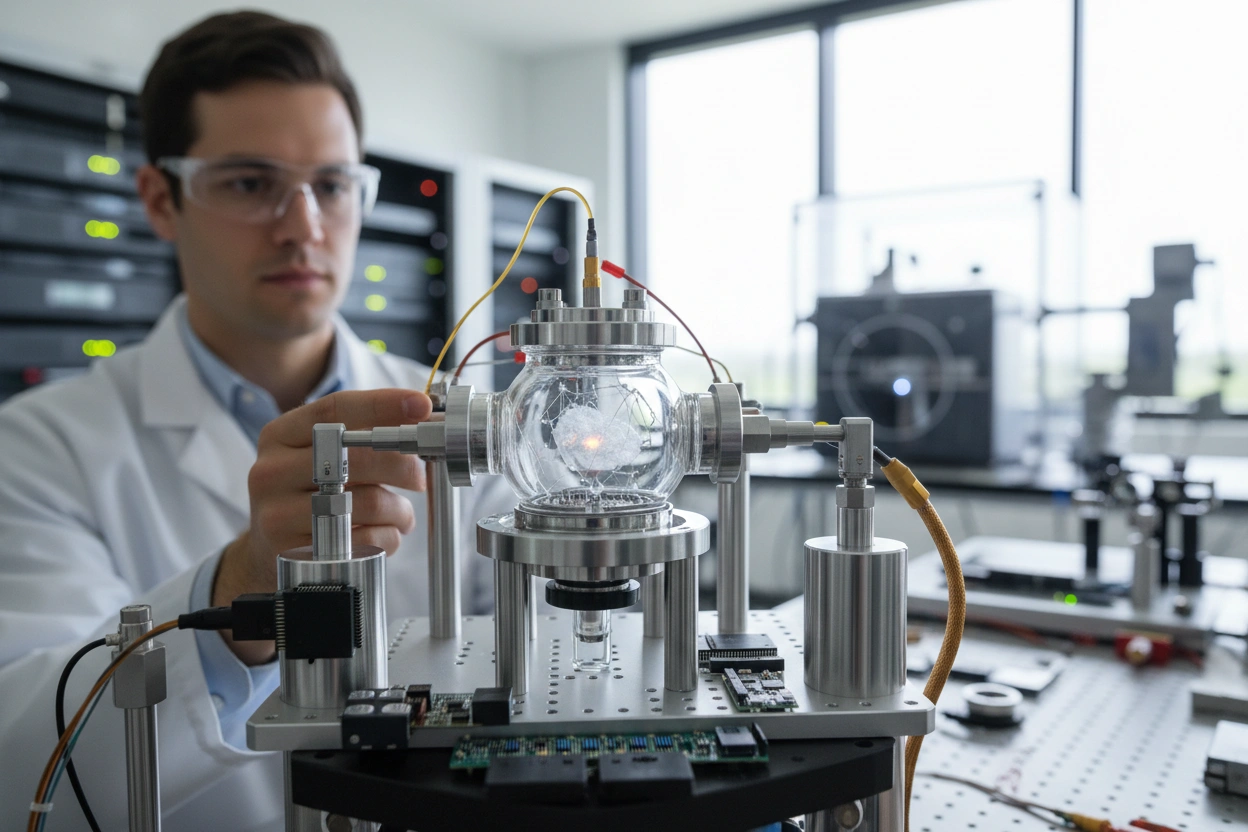
Quantum sensors leverage the principles of quantum mechanics to achieve unprecedented sensitivity and accuracy in measurements. Unlike classical sensors, which rely on conventional physical laws, quantum sensors exploit the unique properties of quantum states—such as superposition and entanglement—to enhance their performance.
How Quantum Sensors Work
Quantum sensors utilize quantum bits or qubits, which can exist in multiple states simultaneously. This ability allows them to gather and process information in ways that classical sensors cannot. For example, quantum sensors can measure magnetic fields, gravitational waves, and even temperature with extreme precision.
- Superposition: This principle allows qubits to exist in multiple states at once, enabling sensors to capture more data simultaneously.
- Entanglement: When qubits become entangled, the state of one qubit instantly affects the state of another, regardless of the distance separating them. This phenomenon can improve measurement accuracy.
- Quantum Interference: Quantum sensors can use interference patterns to enhance the detection of weak signals, making them incredibly sensitive.
Applications of Quantum Sensors in Healthcare
The applications of quantum sensors in healthcare are vast and varied. Here are some notable examples:
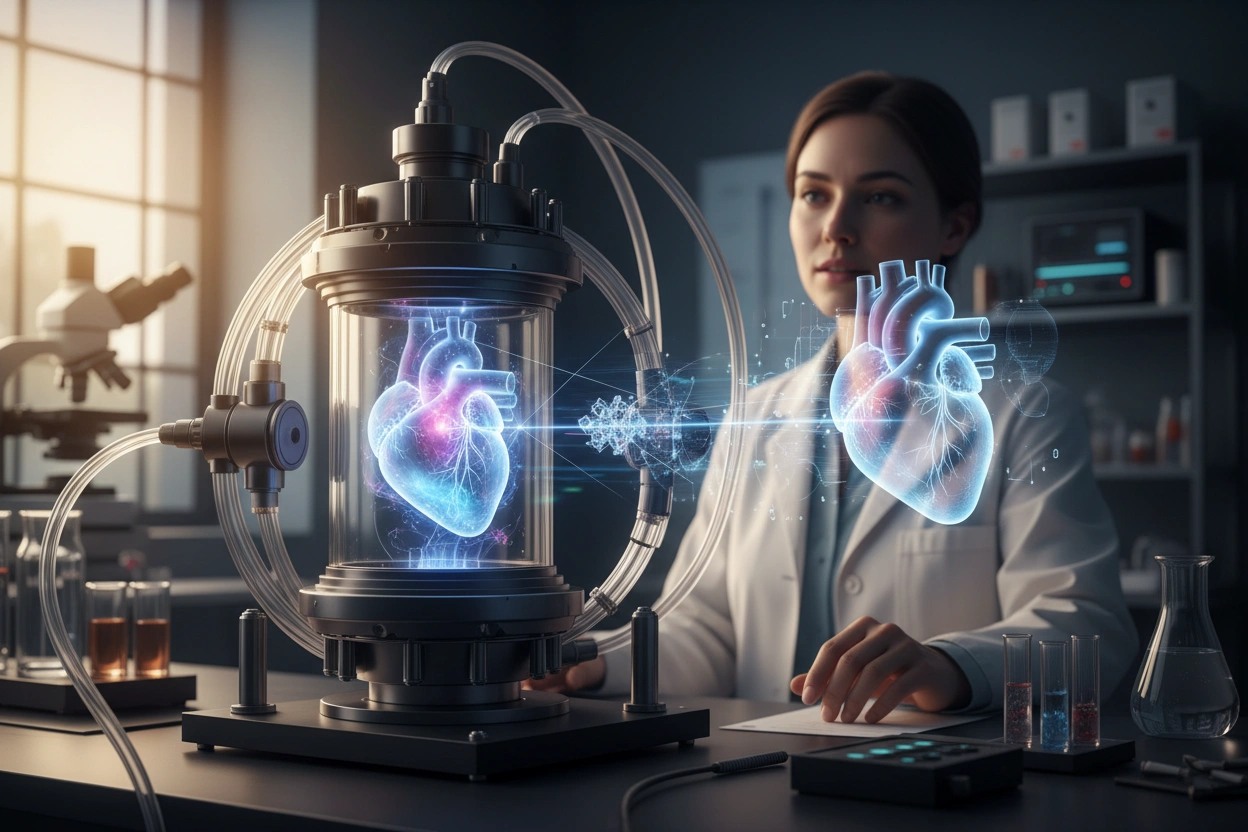
- Magnetic Resonance Imaging (MRI): Quantum sensors can significantly enhance MRI technology by improving image resolution and reducing scan times. This advancement allows for quicker diagnoses and more comfortable experiences for patients.
- Biosensing: Quantum sensors can detect biomolecules at extremely low concentrations, making them invaluable for early disease detection. This capability can lead to breakthroughs in cancer diagnostics and monitoring.
- Wearable Health Devices: Quantum sensors can be integrated into wearable technology to monitor vital signs and other health metrics with unparalleled accuracy. These devices can provide real-time data, facilitating proactive healthcare management.
By employing these advanced sensors, healthcare providers can offer more accurate diagnoses and tailored treatments, leading to better patient outcomes. best practices for integrating quantum technology.
The Role of Quantum Technology in Data Security
With the increasing reliance on digital technologies in healthcare, the importance of securing patient data cannot be overstated. Quantum encryption is emerging as a robust solution to this challenge.
Understanding Quantum Encryption
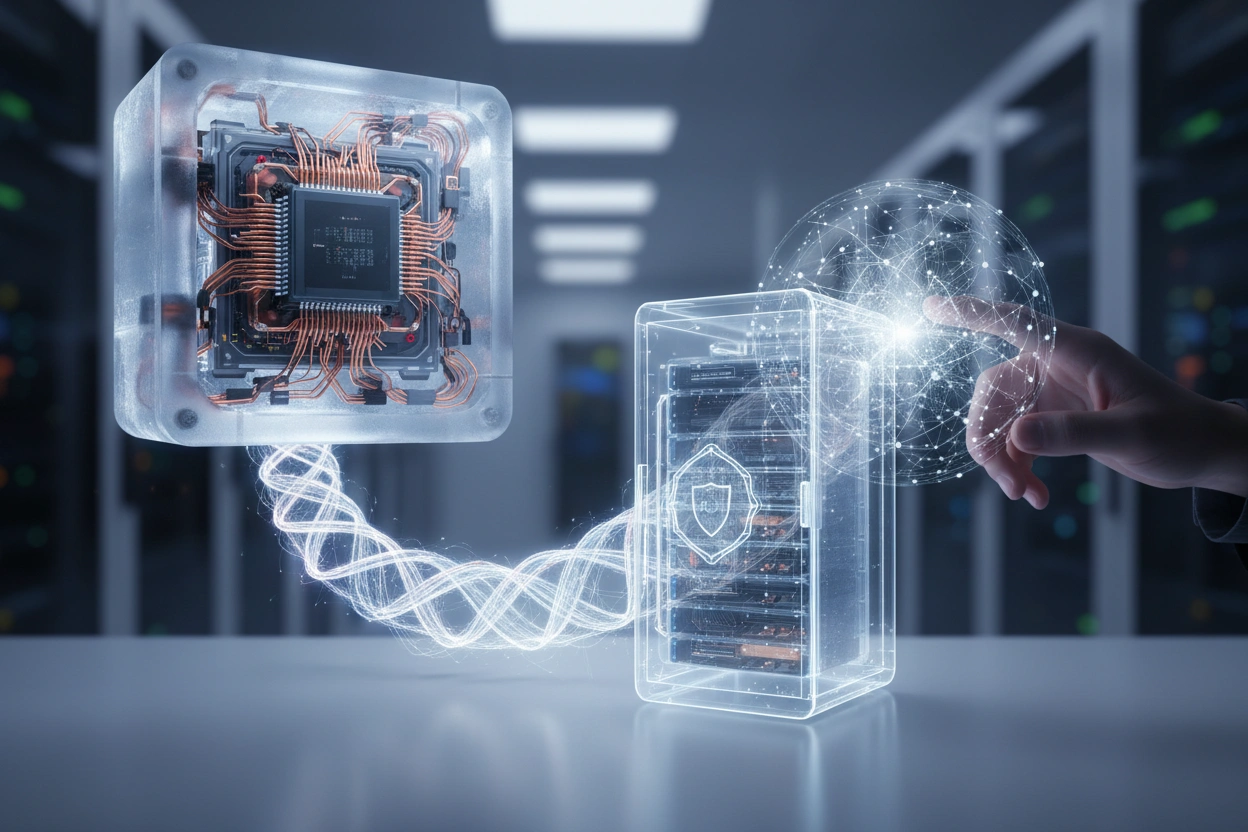
Quantum encryption, particularly Quantum Key Distribution (QKD), uses the principles of quantum mechanics to create secure communication channels. This technology enables the generation of encryption keys that are theoretically unbreakable due to the laws of quantum physics.
- Unconditional Security: Any attempt to intercept the quantum key will disturb the quantum state, alerting the parties involved and ensuring that the key remains secure.
- Scalability: Quantum encryption can be integrated into existing communication infrastructures, making it a viable option for healthcare providers looking to enhance their data security.
Applications of Quantum Encryption in Healthcare
Quantum encryption can address several critical security challenges in healthcare:
- Protecting Patient Data: With increasing cyber threats, quantum encryption can safeguard sensitive patient information, ensuring confidentiality and compliance with regulations such as HIPAA.
- Secure Communication: Healthcare providers can use quantum encryption to facilitate secure communication between devices, ensuring that patient data transmitted between medical devices remains protected.
- Telemedicine Security: As telemedicine becomes more prevalent, quantum encryption can secure video consultations and remote monitoring, protecting both patients and providers.
By incorporating quantum encryption into their digital infrastructure, healthcare organizations can significantly enhance their data security and protect against evolving cyber threats. rise of quantum computing.
Common Misconceptions About Quantum Technology
Despite its promising potential, quantum technology is often misunderstood. Addressing these misconceptions is crucial for fostering a clearer understanding of its capabilities and limitations.
Misconception 1: Quantum Technology is Only for Researchers
While quantum technology is rooted in complex physics, its applications extend far beyond research labs. Industries, including healthcare, are actively adopting quantum technologies to improve processes and outcomes.
Misconception 2: Quantum Sensors are Too Expensive
Although quantum sensors represent a significant investment, their long-term benefits, such as improved accuracy and reduced operational costs, often outweigh the initial expenses. As the technology matures, costs are expected to decrease, making it more accessible to healthcare providers.
Misconception 3: Quantum Encryption is Not Necessary
Some may believe that existing encryption methods are sufficient for data protection. However, with the rise of quantum computing, traditional encryption methods may become vulnerable. Quantum encryption provides an additional layer of security that is essential in a digital landscape increasingly threatened by cyberattacks.
The Future of Quantum Technology in Healthcare
The future of quantum technology in healthcare is bright, with ongoing research and development promising to unlock new possibilities. As we move forward, we can expect to see several trends shaping the landscape.
Emerging Trends
- Integration of AI and Quantum Technology: The combination of artificial intelligence and quantum technology can lead to enhanced diagnostic tools and predictive analytics, enabling more personalized healthcare solutions.
- Standardization of Quantum Protocols: As quantum technologies become more widespread, the establishment of standardized protocols will be crucial for ensuring interoperability and security across devices and systems.
- Increased Investment in Quantum Research: Governments and private organizations are recognizing the potential of quantum technology, leading to increased funding for research and development initiatives.
These trends indicate that quantum technology is not merely a passing phase but a fundamental shift that will redefine healthcare practices.
The Intersection of Quantum Technology and Healthcare
As we have explored throughout this article, quantum technology is transforming healthcare in profound ways. From enhancing diagnostic capabilities with quantum sensors to securing patient data with quantum encryption, the implications of this technology are vast and transformative.
At Outer Edge, we understand the potential of quantum technology and its applications in healthcare. As the industry continues to evolve, we are committed to helping organizations navigate these changes and leverage the benefits of quantum innovations.
If you are interested in exploring how quantum technology can enhance your healthcare practices or secure your digital communications, contact Outer Edge today. Our team is ready to assist you in implementing these advanced technologies to improve patient outcomes and ensure data security.


.svg)





.png)


