Artificial Intelligence (AI) robotics represents a transformative fusion of technology and automation that is reshaping industries worldwide. In healthcare, AI robotics in healthcare is revolutionizing patient care, surgical procedures, and administrative tasks, while its applications extend to various sectors, enhancing productivity and efficiency. This article delves into the innovative applications of AI robotics, particularly in healthcare, and outlines the top trends for 2026, providing insights into the future of AI robotics.
Understanding AI Robotics
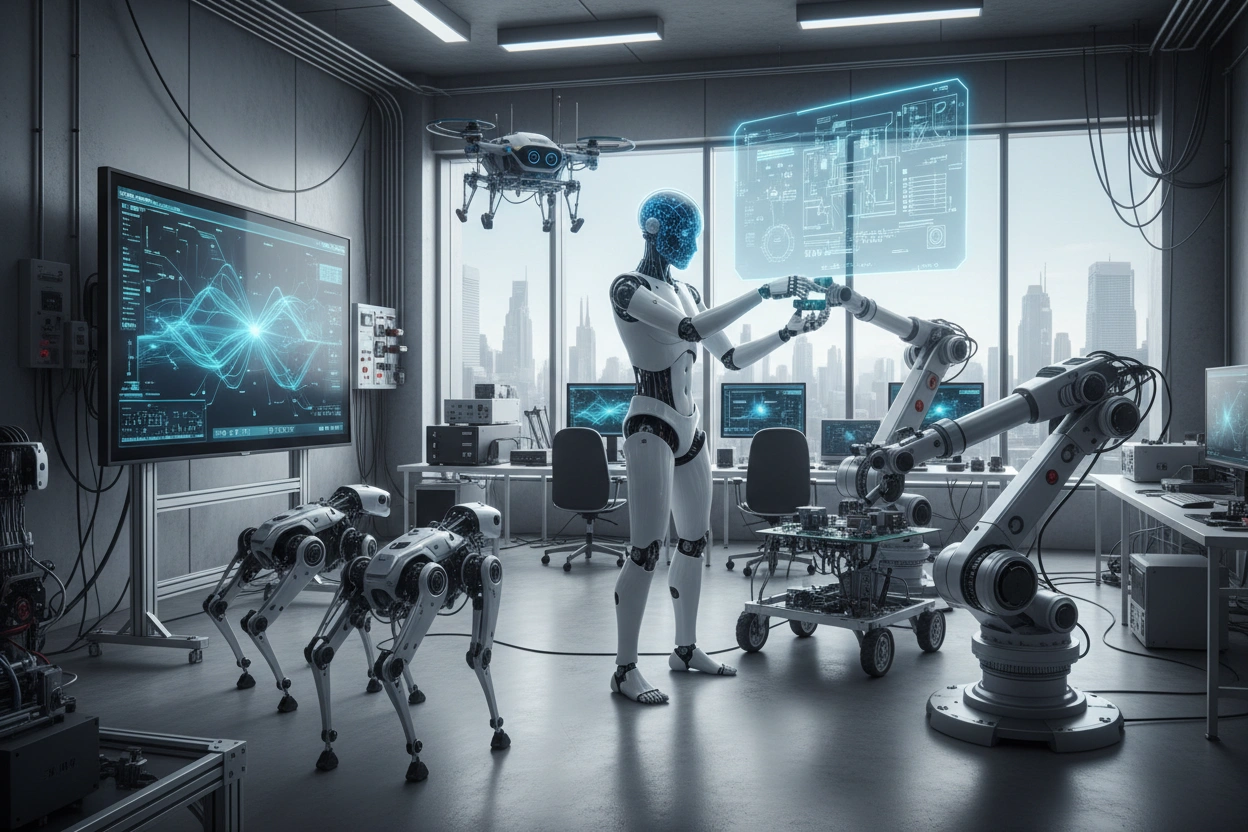
AI robotics combines artificial intelligence with robotics to create machines capable of performing tasks that require human-like cognitive functions. This technology has evolved dramatically over the past decade, leading to advancements in machine learning, natural language processing, and computer vision. These capabilities allow robots to learn from their environments, make autonomous decisions, and interact with humans in meaningful ways.
The significance of AI robotics cannot be overstated, especially in the context of healthcare. For instance, robots equipped with AI can analyze vast amounts of patient data, predict health outcomes, and assist healthcare professionals in delivering personalized care. Beyond healthcare, AI robotics is making waves in manufacturing, logistics, and even customer service, showcasing its versatility and potential.
Key Features of AI Robotics
- Autonomous Decision-Making: AI robots can analyze data and make decisions without human intervention, enabling them to adapt to changing environments in real-time.
- Enhanced Learning: Machine learning algorithms empower AI robotics to improve performance over time by learning from previous experiences and outcomes.
- Human-Robot Interaction: Advanced natural language processing allows robots to communicate effectively with humans, improving collaboration in various settings.
Applications of AI Robotics in Healthcare
The integration of AI robotics in healthcare is multifaceted, offering solutions that enhance patient outcomes and streamline operations. Here are some prominent applications:
Surgical Robots
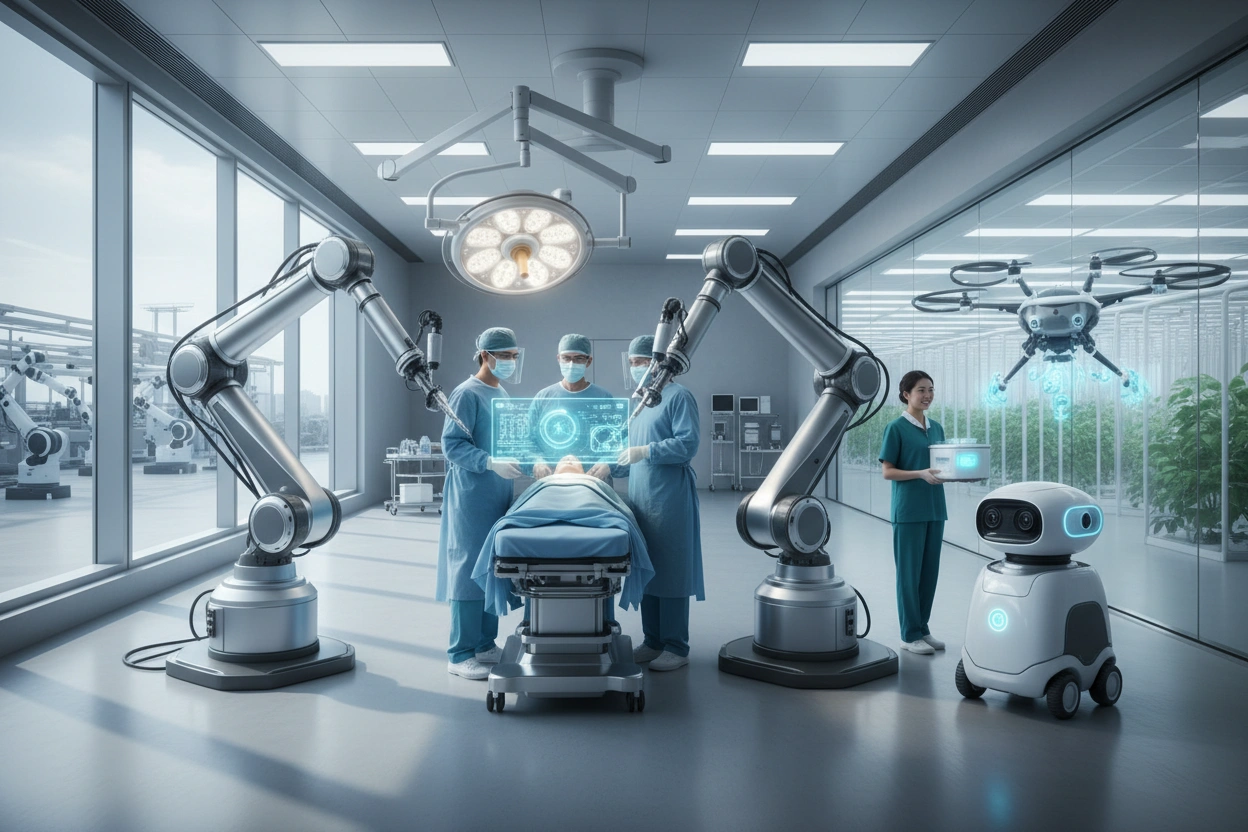
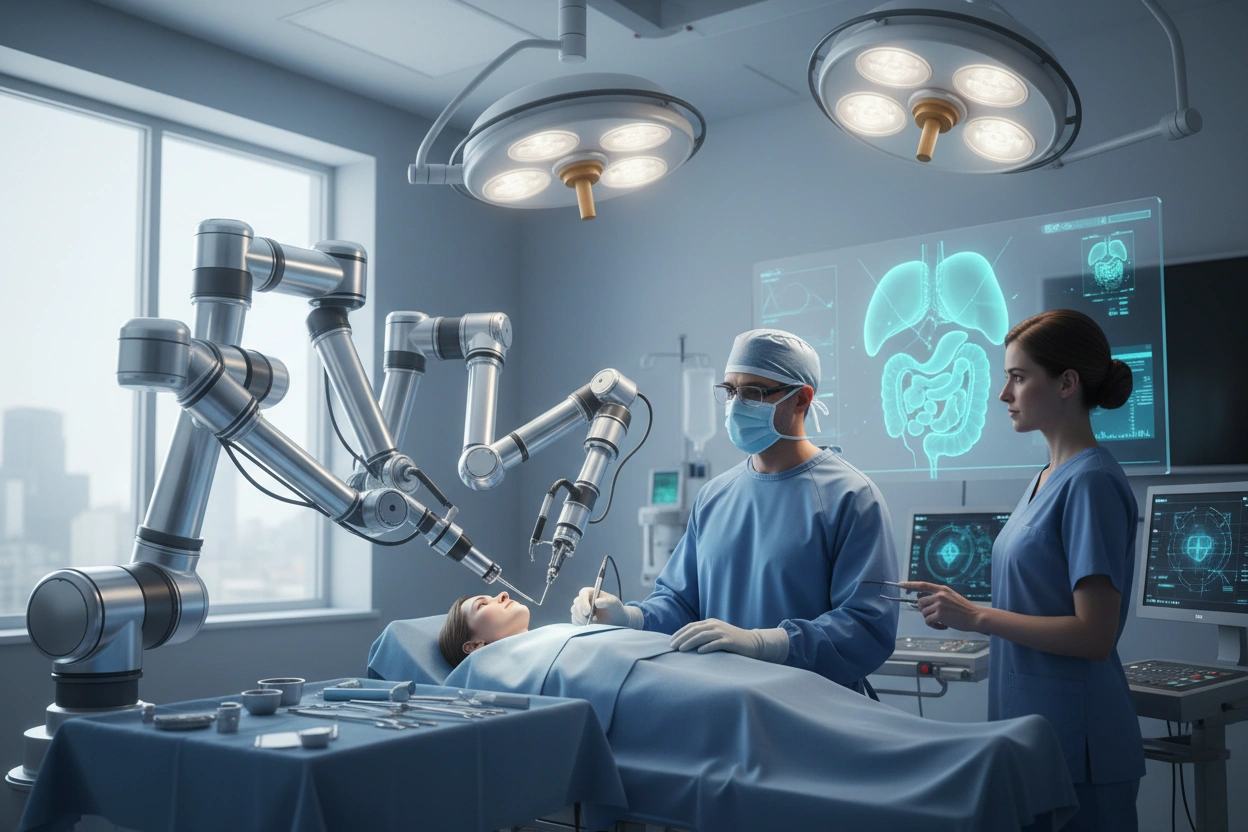
AI robotics has made significant strides in the surgical arena. Surgical robots, such as the da Vinci Surgical System, enable minimally invasive procedures with enhanced precision. These robots assist surgeons in performing complex tasks with greater dexterity, leading to reduced recovery times and improved patient outcomes.
- Precision and Control: Surgical robots provide surgeons with enhanced control and visualization, allowing for intricate procedures that are less invasive.
- Reduced Complications: The precision of robotic surgery minimizes the risk of complications and infections, leading to faster patient recovery.
Rehabilitation Robots
Rehabilitation robots are designed to assist patients in recovering from injuries or surgeries. These robots can guide patients through therapeutic exercises, providing support and feedback.
- Personalized Therapy: AI algorithms can adapt therapy sessions based on patient progress, ensuring individualized care.
- Motivation and Engagement: Robots can gamify rehabilitation exercises, motivating patients to participate actively in their recovery.
Administrative Support
AI robotics also plays a vital role in streamlining administrative tasks within healthcare facilities. Robotic process automation (RPA) can handle repetitive tasks such as scheduling, billing, and data entry.
- Increased Efficiency: Automating administrative tasks allows healthcare professionals to focus on patient care rather than paperwork.
- Error Reduction: RPA minimizes human error, ensuring that patient data is accurately recorded and processed.
Top Trends in AI Robotics for 2026
As we look ahead to 2026, several trends are shaping the integrating AI robotics into your business, particularly within healthcare. Understanding these trends can provide insights into where the industry is headed and how organizations can prepare.
1. Enhanced AI Algorithms
The continual improvement of AI algorithms will drive the capabilities of robotics. With advancements in deep learning and neural networks, robots will become more adept at understanding complex tasks and making decisions based on vast datasets.
2. Integration with Telemedicine
The rise of telemedicine has created a demand for AI robotics that can facilitate remote care. Robots equipped with AI will support healthcare professionals in virtual consultations, enabling them to provide care from a distance.
3. Collaborative Robots (Cobots)
Collaborative robots, or cobots, are designed to work alongside humans. In healthcare settings, cobots can assist staff in various tasks, from patient lifting to medication delivery, enhancing workflow and safety.
4. AI-Powered Predictive Analytics
Predictive analytics powered by AI will enable healthcare providers to forecast patient needs and outcomes more accurately. By analyzing historical data, AI robotics can help healthcare professionals make informed decisions, ultimately improving patient care.
5. Ethical Considerations and Regulations
As AI robotics becomes more prevalent, ethical considerations and regulatory frameworks will evolve. Ensuring patient privacy and safety will be paramount, leading to the establishment of guidelines for the use of AI in healthcare.
Common Misconceptions About AI Robotics
Despite the growing presence of AI robotics, several misconceptions persist that can hinder its adoption. Addressing these misconceptions is crucial for fostering a better understanding of the technology.
Misconception 1: AI Robotics Will Replace Human Jobs
Many fear that the rise of AI robotics will lead to widespread job loss. However, the reality is that AI robotics is intended to augment human capabilities, not replace them. By automating repetitive tasks, healthcare professionals can focus on more complex and meaningful aspects of patient care.
Misconception 2: AI Robotics Is Too Expensive for Widespread Use
While the initial investment in AI robotics can be significant, the long-term benefits often outweigh the costs. Improved efficiency, reduced errors, and enhanced patient outcomes can lead to substantial savings for healthcare facilities.
Misconception 3: AI Robotics Lacks Emotional Intelligence
Critics argue that robots cannot replicate human empathy and emotional intelligence. While it is true that AI robotics cannot replace human compassion, they can complement human interactions by providing support and assistance, allowing healthcare professionals to devote more time to patient relationships.
Future of AI Robotics: A Broad Perspective
The future of AI robotics extends beyond healthcare, permeating various industries and sectors. As technology continues to advance, we can expect to see:
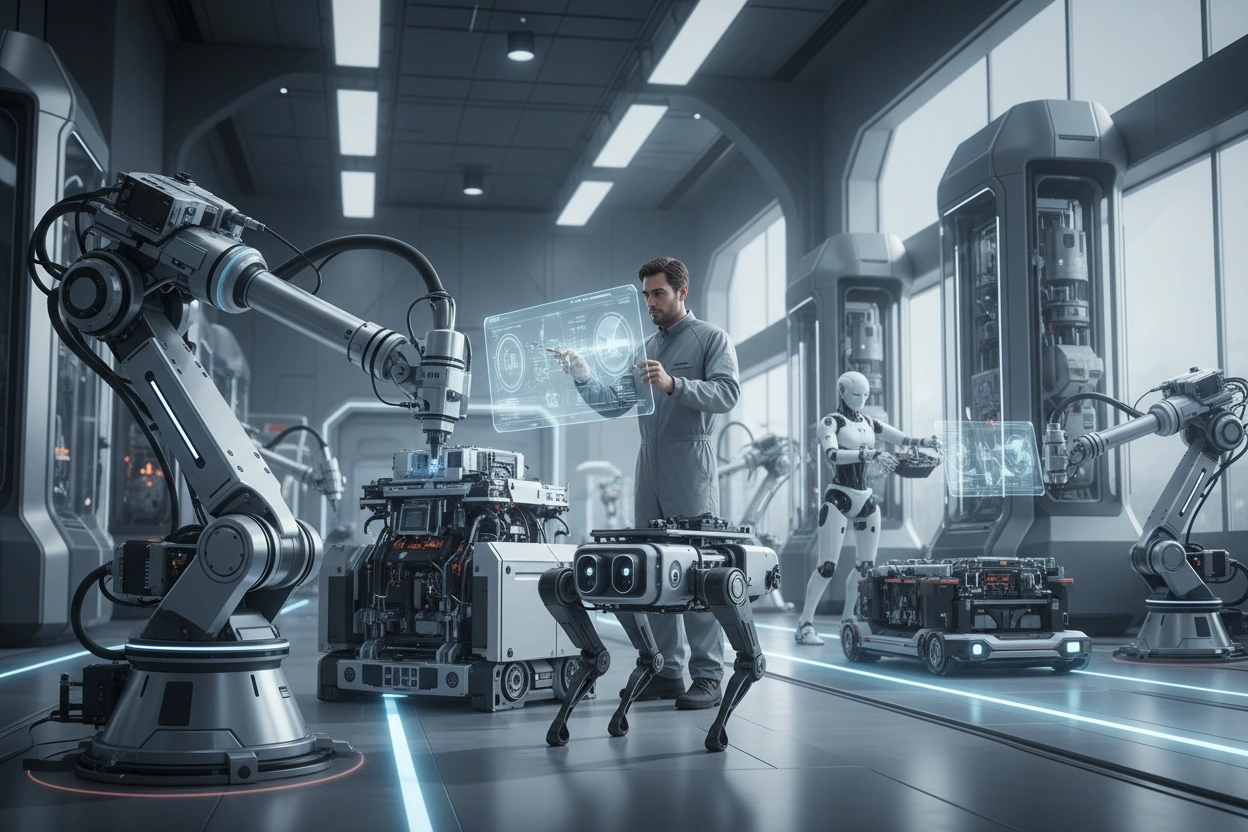
- Smart Manufacturing: AI robotics will streamline production processes, optimizing supply chains and reducing costs.
- Agricultural Innovations: In agriculture, AI robotics will assist in precision farming, enhancing crop yields and sustainability.
- Enhanced Customer Service: AI-powered chatbots and service robots will revolutionize customer interactions across industries, providing instant support and information.
Practical Insights for Implementing AI Robotics
For organizations looking to leverage AI robotics, careful planning and execution are essential. Here are some actionable steps to consider:
- Assess Organizational Needs: Identify areas where AI robotics can enhance efficiency and productivity.
- Invest in Training: Ensure that staff are trained to work alongside AI robotics, understanding their capabilities and limitations.
- Pilot Programs: Start with pilot programs to test AI robotics in controlled environments before full-scale implementation.
The Intersection of AI Robotics and Healthcare Innovation
The exploration of AI robotics applications in healthcare reveals a landscape rich with potential and innovation. As organizations embrace these technologies, the healthcare industry can significantly improve patient outcomes, streamline operations, and enhance the overall quality of care.
At Outer Edge, we understand the importance of integrating advanced technologies like AI robotics into healthcare practices. Our commitment to innovation ensures that we remain at the forefront of these advancements, helping organizations navigate the complexities of implementing AI solutions effectively.
By understanding the evolving landscape of AI robotics, healthcare providers can better prepare for the future, ensuring they deliver the highest standard of care. For more insights and support in integrating these technologies, visit Outer Edge and discover how we can assist you in your journey toward innovation.


.svg)






.png)


