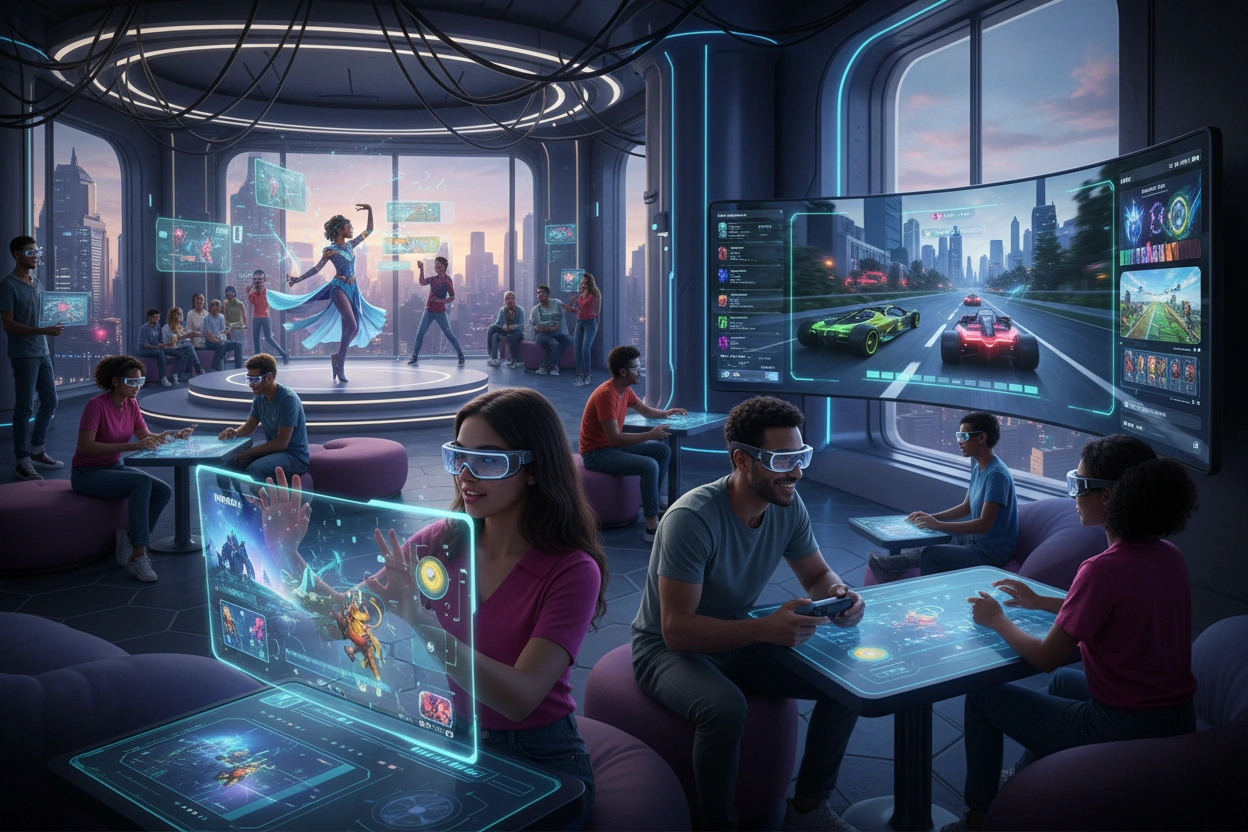
The landscape of digital interaction is rapidly evolving, largely due to the integration of blockchain technology into various sectors, notably in web3 gaming and entertainment. As of 2026, the intersection of these two domains has created a unique ecosystem where players, creators, and consumers engage with digital assets like never before. This guide aims to delve into the intricacies of NFT integration within this context, providing insights into current trends, practical applications, and the future of blockchain entertainment.
Understanding Web3 Gaming and Entertainment
What is Web3 Gaming?
Web3 gaming represents the next iteration of gaming platforms, characterized by decentralized ownership and player empowerment. Unlike traditional gaming models, where developers retain control over in-game assets, web3 gaming allows players to own their digital assets, including characters, skins, and in-game currencies. This ownership is facilitated through blockchain technology, which ensures transparency and security.
In addition, web3 gaming fosters community engagement by allowing players to participate in decision-making processes regarding game development and features. This shift towards decentralization not only enhances player experience but also creates new economic opportunities through play-to-earn models. In these models, players can earn real-world value from their in-game achievements, driving further interest in web3 gaming.
The Role of NFTs in Entertainment
Non-fungible tokens (NFTs) are unique digital assets verified using blockchain technology, making them ideal for representing ownership of digital items in entertainment. In the context of web3 gaming and entertainment, NFTs can represent anything from virtual real estate in gaming worlds to exclusive access to digital art and music.
NFTs create a new level of engagement for fans and players, enabling them to purchase, trade, or sell unique digital items. This capability not only enhances the value of digital content but also encourages a more interactive relationship between creators and their audiences. As the market for NFTs continues to grow, their integration into entertainment will likely redefine how content is consumed and valued. For example, understanding the role of NFTs can provide insights into their potential impact on digital interactions.
Top 10 Trends in Blockchain Entertainment This Year
As the industry evolves, several trends are shaping the future of blockchain entertainment. Here are the top ten trends to watch in 2026:
Expansion of Play-to-Earn Models
- The play-to-earn model is gaining traction, allowing players to earn cryptocurrency and NFTs by participating in games. This trend is democratizing the gaming economy, making it accessible to broader audiences.
Increased Collaboration Between Creators
- Collaborations among artists, game developers, and musicians are becoming more common. These partnerships leverage NFTs to create unique, limited-edition content, enhancing fan engagement and providing new revenue streams.
Integration of Virtual Reality (VR) and Augmented Reality (AR)
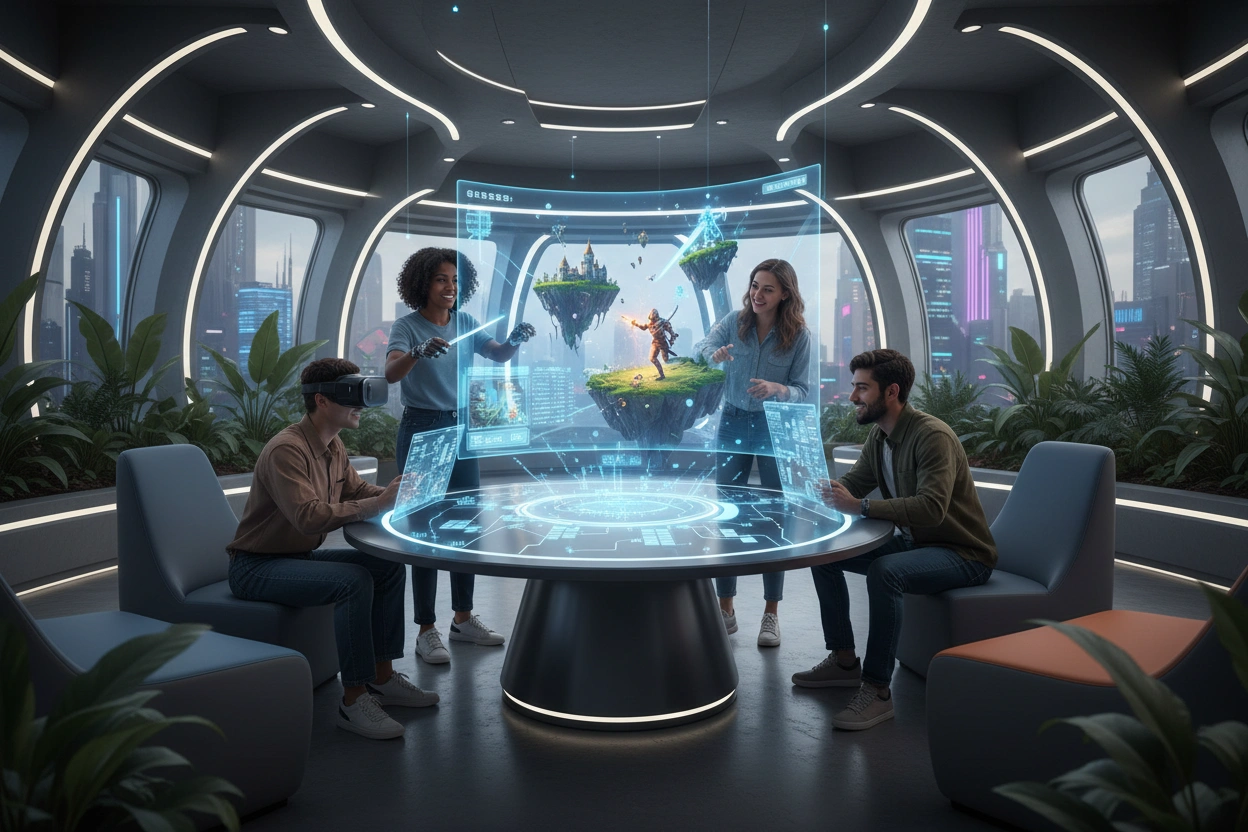
- The combination of VR and AR with blockchain technology is creating immersive gaming experiences. Players can interact with their NFT assets in real-time environments, enhancing the overall gaming experience.
Decentralized Autonomous Organizations (DAOs) in Gaming
- DAOs are emerging as a way for gamers to collectively make decisions about game development and governance. This trend empowers players and fosters a sense of community.
Sustainability Initiatives
- As concerns about the environmental impact of blockchain technology grow, many projects are adopting eco-friendly practices. This includes using energy-efficient consensus mechanisms and supporting carbon offset initiatives.
Tokenization of Intellectual Property
- Creators are beginning to tokenize their intellectual property, allowing fans to invest in their favorite projects. This trend provides new funding avenues for creators and increases fan loyalty.
Cross-Platform Interoperability
- The ability to use NFTs across different games and platforms is gaining importance. This trend enhances user experience by allowing players to leverage their assets in multiple environments.
Enhanced Security Protocols
- As the NFT market matures, security remains a top priority. Innovations in blockchain security protocols are making it safer for users to engage with NFTs and blockchain entertainment.
Growth of NFT Marketplaces
- The number of NFT marketplaces is increasing, providing more options for users to buy, sell, and trade digital assets. This growth is making it easier for creators to monetize their work.
Integration of Social Features in Gaming
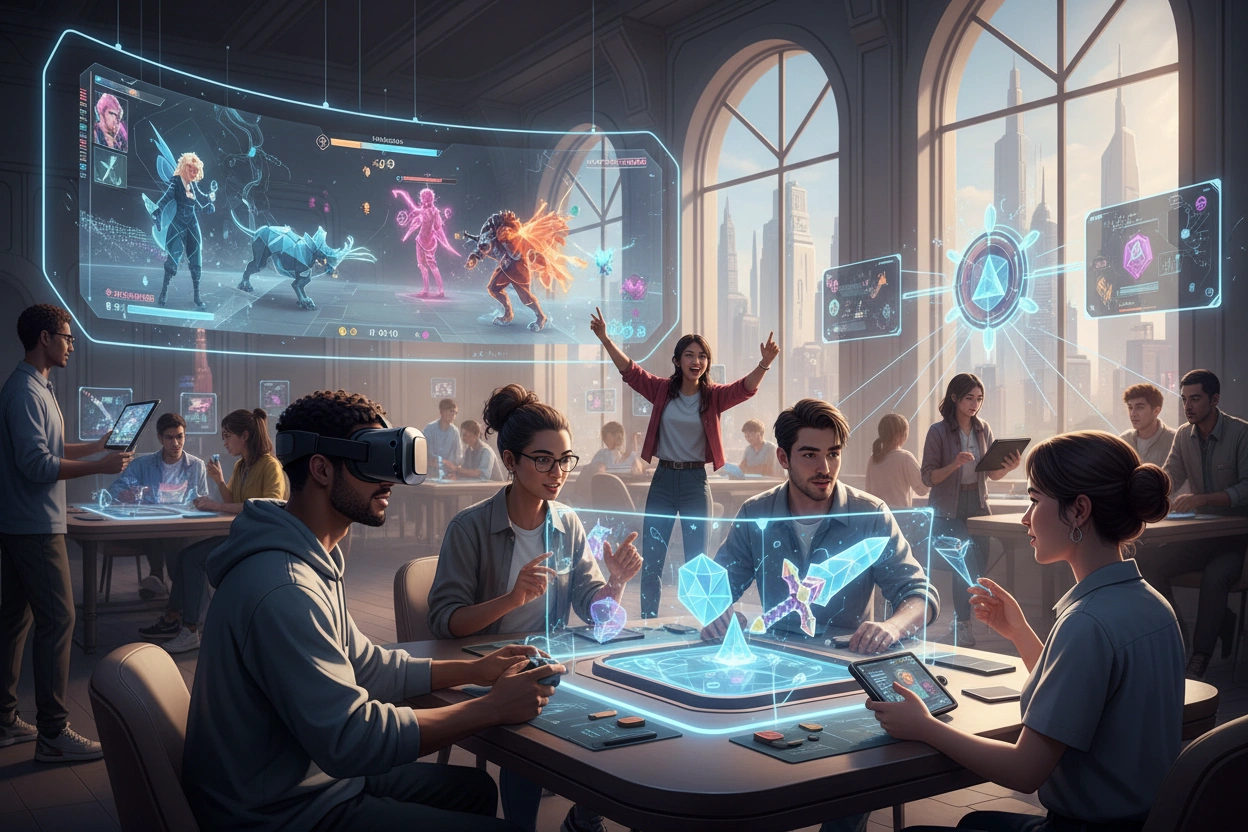
- Social interaction is becoming a key component of web3 gaming. Features such as in-game chat, social sharing, and community events are enhancing player engagement and fostering connections.
Practical Insights for NFT Integration in Web3 Gaming
Choosing the Right Blockchain
When considering NFT integration, selecting the right blockchain is crucial. Each blockchain offers different features, transaction speeds, and costs. Popular choices include Ethereum, Binance Smart Chain, and Flow, each catering to different needs in terms of scalability and user base.
To make the right choice, evaluate the following factors:
- Transaction fees: High fees can deter users from engaging with your platform.
- Speed: Faster transaction times enhance user experience.
- Ecosystem: A robust ecosystem can offer better support and integration options.
Developing Engaging NFT Experiences
Creating engaging NFT experiences requires a deep understanding of your audience. Consider the following strategies:
- Gamification: Incorporate game mechanics into your NFT offerings to enhance user engagement.
- Community Building: Foster a community around your NFTs to encourage interaction and loyalty.
- Unique Offerings: Provide exclusive content or experiences tied to NFT ownership, such as behind-the-scenes access or special events.
Marketing Your NFTs
Effective marketing is essential for the success of your NFT projects. Utilize various channels to reach potential buyers:
- Social Media: Leverage platforms like Twitter and Discord to engage with your audience and promote your NFTs.
- Influencer Partnerships: Collaborate with influencers in the gaming and entertainment space to expand your reach.
- Content Marketing: Create informative content that highlights the value and uniqueness of your NFTs.
Common Misconceptions About NFTs in Web3 Gaming
NFTs Are Just a Fad
One of the most prevalent misconceptions is that NFTs are merely a passing trend. While it's true that the market has experienced fluctuations, the underlying technology and concepts are proving to be transformative. NFTs offer unique ownership and provenance that can redefine how digital content is valued and traded.
NFTs Are Only for Rich Collectors
Another common misconception is that NFTs are exclusive to wealthy collectors. While high-value sales garner headlines, many NFT projects are accessible to a wider audience. Fractional ownership and lower-priced NFTs are emerging trends that democratize access to digital assets.
All NFTs Are Environmentally Harmful
While it is true that some blockchains have high energy consumption, many projects are actively seeking sustainable solutions. Innovations such as proof-of-stake mechanisms and carbon offset initiatives are helping to mitigate the environmental impact associated with NFT transactions.
The Future of Web3 Gaming and Entertainment
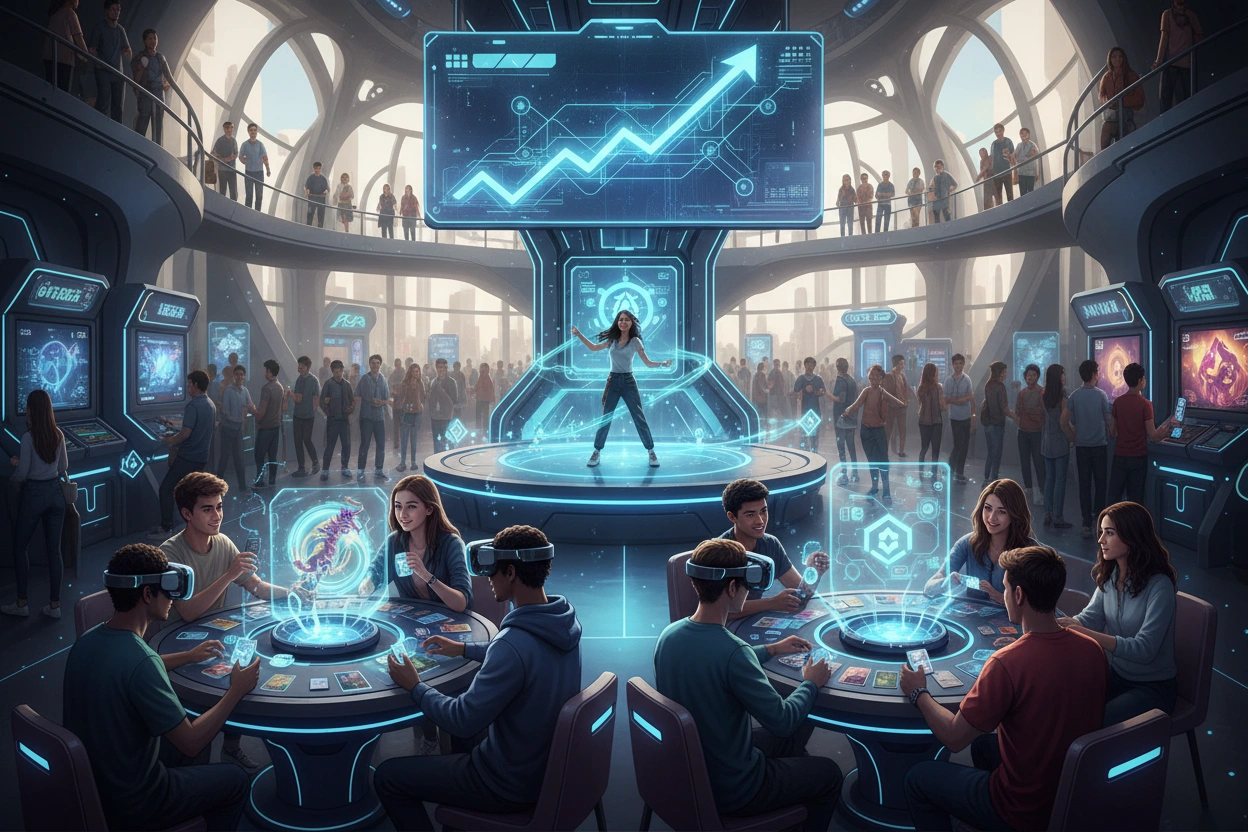
As we look ahead, the integration of NFTs into web3 gaming and entertainment is poised for exponential growth. The trends discussed above indicate a shift towards more inclusive and engaging experiences for players and creators alike. As the technology matures, we can expect more innovative applications that enhance the value of digital assets.
Opportunities for Developers and Creators
For developers and creators, the opportunities in web3 gaming and entertainment are vast. Embracing blockchain technology can lead to new revenue models and stronger connections with audiences. By integrating NFTs thoughtfully, creators can provide unique experiences that resonate with their fans.
Preparing for Regulatory Changes
As the blockchain landscape evolves, so will the regulatory framework governing it. Staying informed about potential regulations is crucial for anyone involved in web3 gaming and entertainment. Proactive compliance can help mitigate risks and ensure a sustainable future.
The Intersection of Web3 Gaming and Entertainment with Outer Edge
In this guide, we explored the dynamic world of web3 gaming and entertainment, focusing on how NFTs are shaping this landscape. As the industry continues to evolve, embracing these changes will be vital for both creators and players. Outer Edge is committed to helping you navigate this exciting terrain, offering insights and resources to enhance your understanding of blockchain entertainment.
To leverage the potential of NFTs and web3 gaming, contact Outer Edge today. Our expertise can help you integrate these innovative technologies into your projects, ensuring you remain at the forefront of this digital revolution. Visit Outer Edge for more information on how we can assist you in your journey.


.svg)






.png)


