Why Web3 Sports Projects Struggle After the Initial Hype Cycle
No items found.
Updated on:
January 18, 2026
Why Web3 Sports Projects Struggle After the Initial Hype Cycle
Updated on:
January 18, 2026
As the world of sports intertwines with technologies like blockchain, many enthusiasts are left wondering why so many Web3 sports projects fail to sustain their initial momentum. The excitement generated by innovations like sports NFTs and decentralized platforms often leads to a surge in interest, yet many projects falter once the initial hype subsides. This article explores the challenges faced by Web3 sports projects after the initial hype, examining factors like market volatility, user engagement, and technology adoption.
The Initial Excitement: What Sparks Interest in Web3 Sports?
The buzz surrounding Web3 sports projects primarily stems from their potential to transform traditional sports interactions. Technologies like blockchain offer transparency and security, appealing to both sports fans and athletes. For instance, the introduction of sports NFTs allows fans to own unique digital collectibles, such as player highlights or exclusive merchandise, which can enhance their connection to their favorite teams and athletes. This innovation creates a new revenue stream for organizations and introduces fans to a digital ownership model that was previously unavailable.
Innovative concepts such as decentralized platforms also play a significant role in sparking interest. These platforms promise to eliminate intermediaries, enabling fans to engage directly with their teams and athletes. This shift not only enhances fan experience but also opens the door for decentralized governance models, where fans can have a say in team decisions. The allure of participating in a decentralized sports ecosystem often generates significant media attention and investment, drawing in a diverse range of stakeholders eager to capitalize on the emerging market.
Challenges That Web3 Sports Projects Face Post-hype
Despite the initial excitement, Web3 sports projects face several challenges that hinder their sustainability. Market volatility is a primary concern, as fluctuations in cryptocurrency prices can impact funding and project viability. For example, a project that relies heavily on crypto sports funding may find itself in a precarious position if market conditions deteriorate. This volatility can lead to diminished investor confidence, making it difficult for projects to secure ongoing funding or maintain operations.
User retention and engagement are also critical issues for decentralized platforms. While the novelty of owning digital collectibles or participating in governance may attract initial interest, sustaining that engagement proves challenging. Many fans may lose interest once the novelty wears off, leading to decreased participation in platforms designed for ongoing interaction. Projects must find ways to keep users engaged through consistent updates, community events, and meaningful interactions to avoid the pitfalls of a declining user base.
The Role of Community in Sustaining Web3 Sports Projects
Community engagement is vital for the long-term success of Web3 sports projects. A strong, loyal fan base can drive sustained interest and provide essential feedback for project development. Projects that foster an inclusive environment, where fans feel valued and heard, are more likely to thrive. For instance, platforms that actively involve users in decision-making processes or offer rewards for participation can create a sense of ownership among fans, encouraging them to remain engaged.
Strategies for building a loyal fan base in the crypto sports space include leveraging social media for communication and interaction, hosting events that encourage participation, and providing educational resources about blockchain technology and its applications in sports. By creating a community that feels connected and informed, projects can enhance user retention and engagement, which are crucial for navigating the challenges faced post-hype.
Future Trends: What Lies Ahead for Web3 Sports?
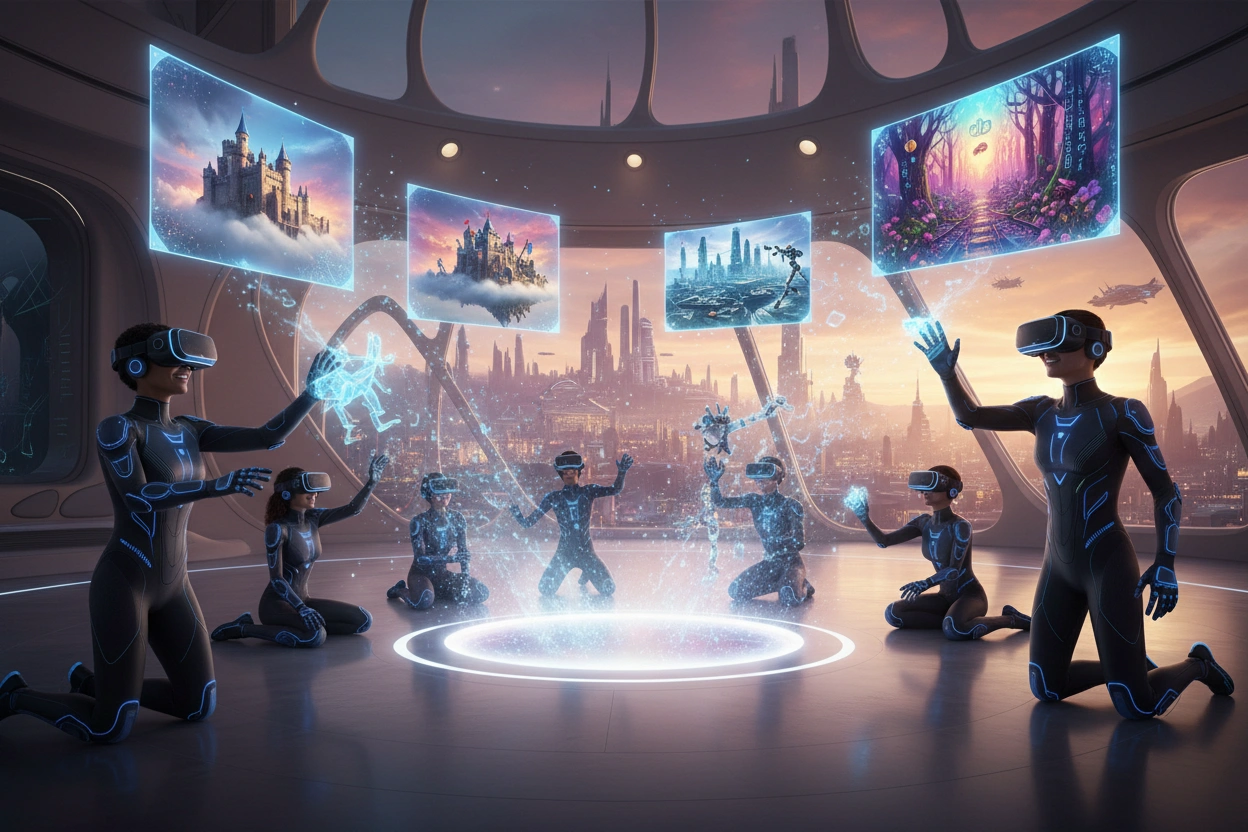
Looking ahead, several potential developments in the sports metaverse may shape the future of Web3 sports projects. The integration of augmented and virtual reality technologies could offer fans immersive experiences, allowing them to engage with their favorite sports in unprecedented ways. For instance, virtual stadiums where fans can watch games together, regardless of their physical location, represent a significant shift in how sports are consumed.
The role of crypto sports funding is also poised to evolve, as more projects explore innovative funding models that align with fan interests. Crowdfunding initiatives that allow fans to invest in their favorite teams or players through tokenized assets could create stronger financial ties between fans and their teams. As the landscape of blockchain technology continues to mature, Web3 sports projects that adapt to these trends and prioritize community engagement are likely to find greater success in the long term.
Building Sustainable Web3 Sports Beyond the Hype
The post-hype struggles of many Web3 sports projects reveal a deeper truth: long-term success requires more than token launches and initial excitement. Market volatility, shallow engagement, and underdeveloped communities often expose gaps in strategy once the spotlight fades. Sustainable Web3 sports initiatives must prioritize real fan value, thoughtful incentive design, and ongoing participation that extends well beyond speculative interest.
At Outer Edge, we immerse ourselves in the cultural and technological spaces where Web3 sports are being reimagined—through global gatherings, creative media, and conversations with the builders pushing the ecosystem forward. If you’re focused on turning early momentum into lasting impact, come connect with us and expand your perspective on what it takes to build resilient, community-first Web3 sports experiences.
Subscribe to Edge Of Weekly
Join more than 40k+ investors, dreamers, builders & experts in getting exclusive weekly content and access to the top 1% of Web3, Blockchain, and AI globally!





.svg)





.png)


