Tokenization, the process of converting rights to an asset into a digital token on a blockchain, is reshaping how we think about ownership and investment. This article explores the diverse types of assets currently being tokenized and the implications of this trend.
Exploring the Concept of Asset Tokenization
Asset tokenization refers to the process of creating a digital representation of a physical or intangible asset on a blockchain. This representation enables the asset to be easily traded, transferred, and managed. By breaking down assets into smaller, more manageable tokens, it allows for fractional ownership, which can enhance liquidity and democratize access to investments that were previously reserved for high-net-worth individuals.
The role of blockchain technology in asset tokenization is central to its functionality. Blockchain provides a secure, transparent, and immutable ledger that tracks ownership and transaction history. This decentralized approach reduces the need for intermediaries, lowers transaction costs, and increases efficiency in asset management. With the rise of smart contracts, which automate and enforce agreements without human intervention, tokenized assets can be bought, sold, and managed with unprecedented ease.
Diverse Categories of Tokenized Assets
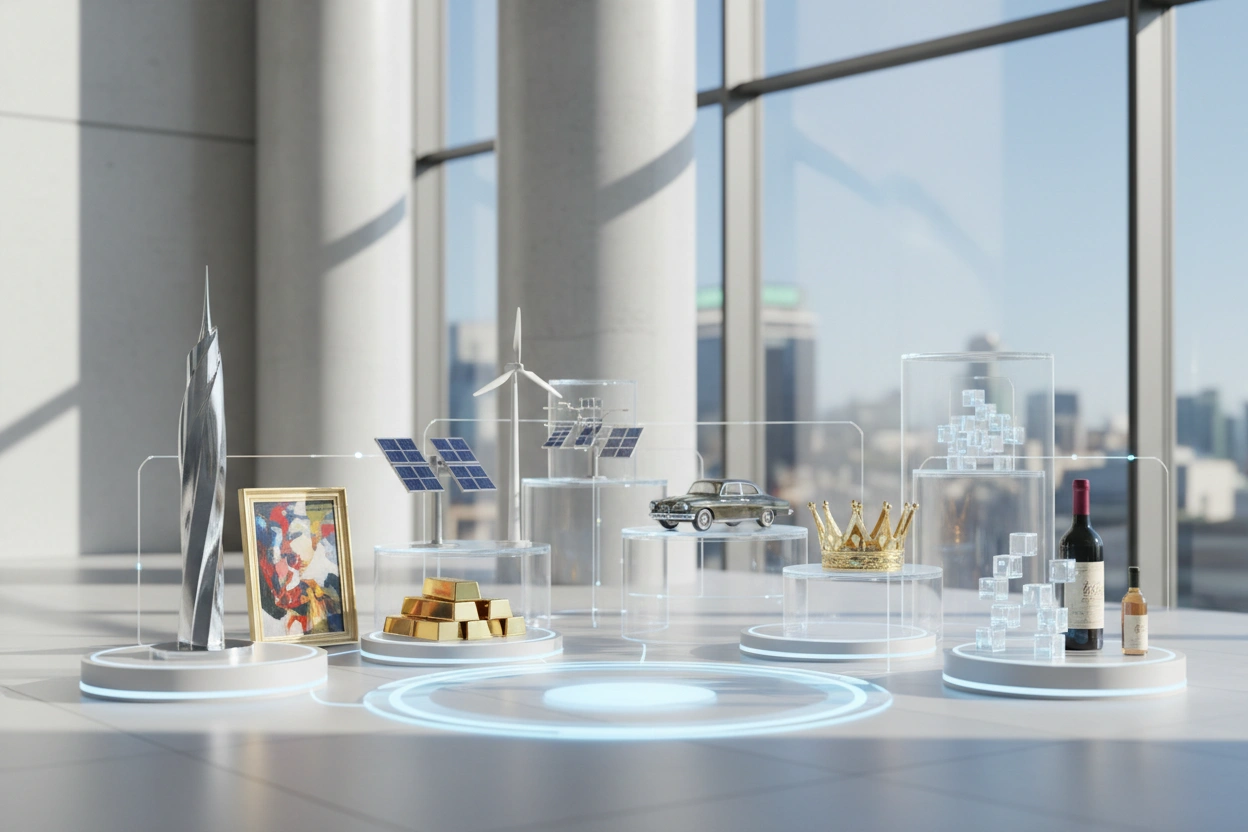
The types of assets that can be tokenized are diverse and continually expanding. Here are several key categories:
Real Estate: Tokenization allows investors to purchase fractions of properties, making real estate investment more accessible. This model can facilitate investment in high-value properties that may have been out of reach for individual investors.
Art and Collectibles: Tokenizing art pieces or collectibles can provide artists and collectors with new revenue streams. By issuing tokens that represent ownership or shares in a piece, the art market can become more liquid and transparent.
Financial Instruments: Traditional financial instruments, such as stocks and bonds, can also be tokenized. This innovation can streamline trading processes and enhance liquidity by enabling the fractional sale of securities.
Intellectual Property: Tokenization can help creators monetize their intellectual property rights. By issuing tokens that grant rights to royalties or usage, creators can maintain control over their work while providing investment opportunities.
Commodities: Physical assets like gold, silver, and oil can be tokenized, allowing for easier trading and ownership transfer. This approach can simplify the logistics involved in commodity trading.
The benefits associated with tokenization for these asset types include increased liquidity, lower barriers to entry, enhanced transparency, and improved access to global markets. This trend is fundamentally changing how assets are perceived and traded.
The Rise of NFTs and Their Impact on Tokenization
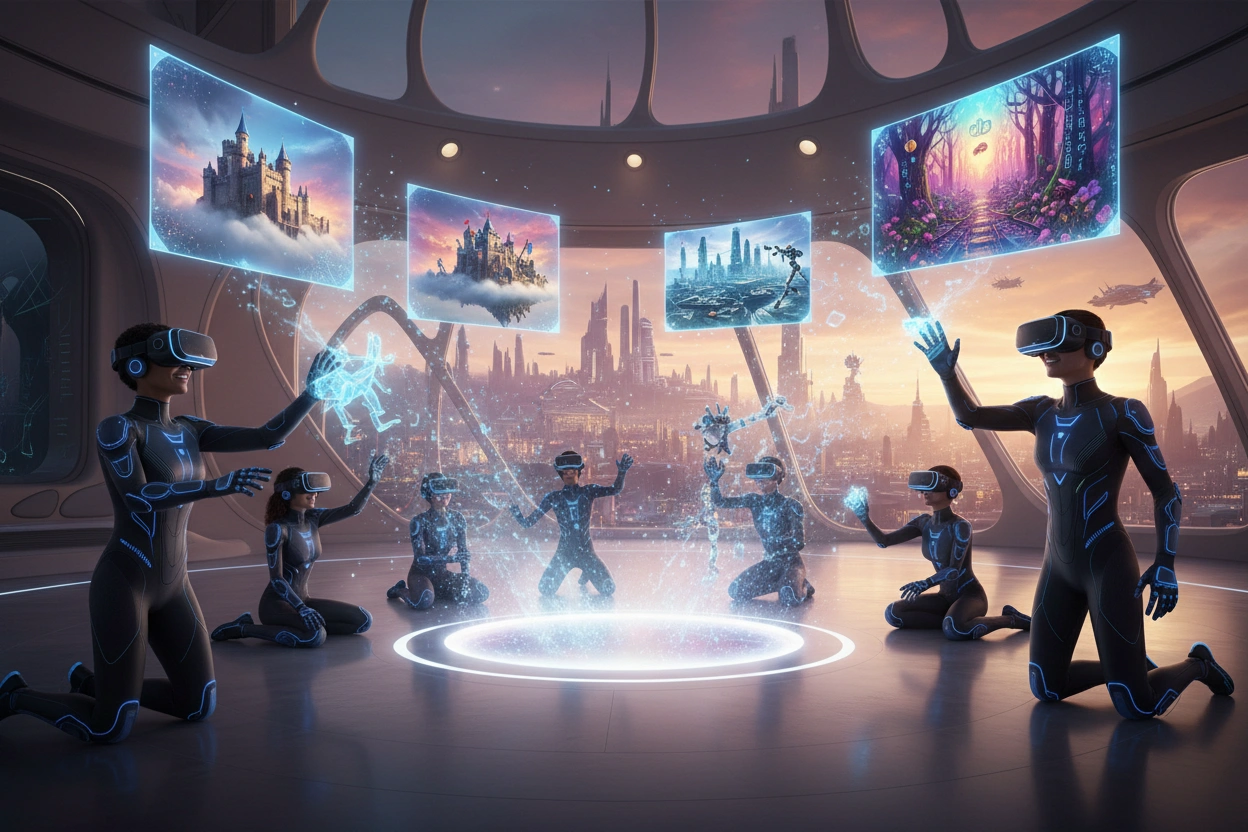
NFTs, or non-fungible tokens, represent a significant development in the realm of tokenization. Unlike cryptocurrencies that are interchangeable, NFTs are unique and cannot be replaced. This uniqueness allows them to represent ownership of digital assets, such as art, music, and virtual real estate.
The cultural and economic impact of NFTs has been profound. Artists can sell their work directly to consumers, bypassing traditional galleries and auction houses. This shift not only empowers creators but also redefines the value of digital art. The NFT market has exploded, with sales reaching billions, demonstrating a demand for unique digital assets. Additionally, brands and companies are leveraging NFTs for marketing and customer engagement, further embedding them into mainstream culture.
NFTs also challenge traditional notions of ownership and authenticity. With blockchain technology, each NFT has a verifiable ownership history, providing assurance to buyers regarding provenance. This aspect is particularly significant in the art world, where authenticity can be a major concern.
Future Trends in Asset Tokenization
Looking ahead, several trends are poised to shape the future of asset tokenization. One potential development is the integration of artificial intelligence and machine learning into the tokenization process. These technologies could enhance the analysis of asset values, automate compliance checks, and optimize trading strategies.
Another trend is the increasing acceptance of tokenized assets by regulatory bodies. As governments worldwide begin to recognize the potential of blockchain and tokenization, clearer regulations may emerge, fostering a safer environment for investors and issuers. This regulatory clarity could lead to greater institutional investment in tokenized assets.
Predictions for the evolution of digital asset types include the emergence of new asset classes that are not feasible in traditional markets. For instance, tokenization could facilitate the creation of "tokenized social impact investments," allowing individuals to invest in projects with social benefits while earning returns.
As technology continues to evolve, the possibilities for asset tokenization are vast, promising a more inclusive and efficient future for investors and asset owners alike.
Tokenization as a Catalyst for New Asset Models
Exploring which assets are being tokenized today highlights how blockchain is reshaping ownership, access, and participation across industries—from real estate and art to financial instruments and beyond. Each category brings its own set of opportunities and trade-offs, but together they point toward a broader shift in how value is created and exchanged in modern markets.
At Outer Edge, we spend our time around the edges of these shifts—connecting with builders, investors, and creatives at global gatherings where tokenization, Web3, and emerging tech are actively being explored in the real world. If you’re curious about where tokenized assets are headed next, you’ll find us expanding perspectives through conversations, experiences, and communities that live at the frontier.
Subscribe to Edge Of Weekly
Join more than 40k+ investors, dreamers, builders & experts in getting exclusive weekly content and access to the top 1% of Web3, Blockchain, and AI globally!




.svg)





.png)


