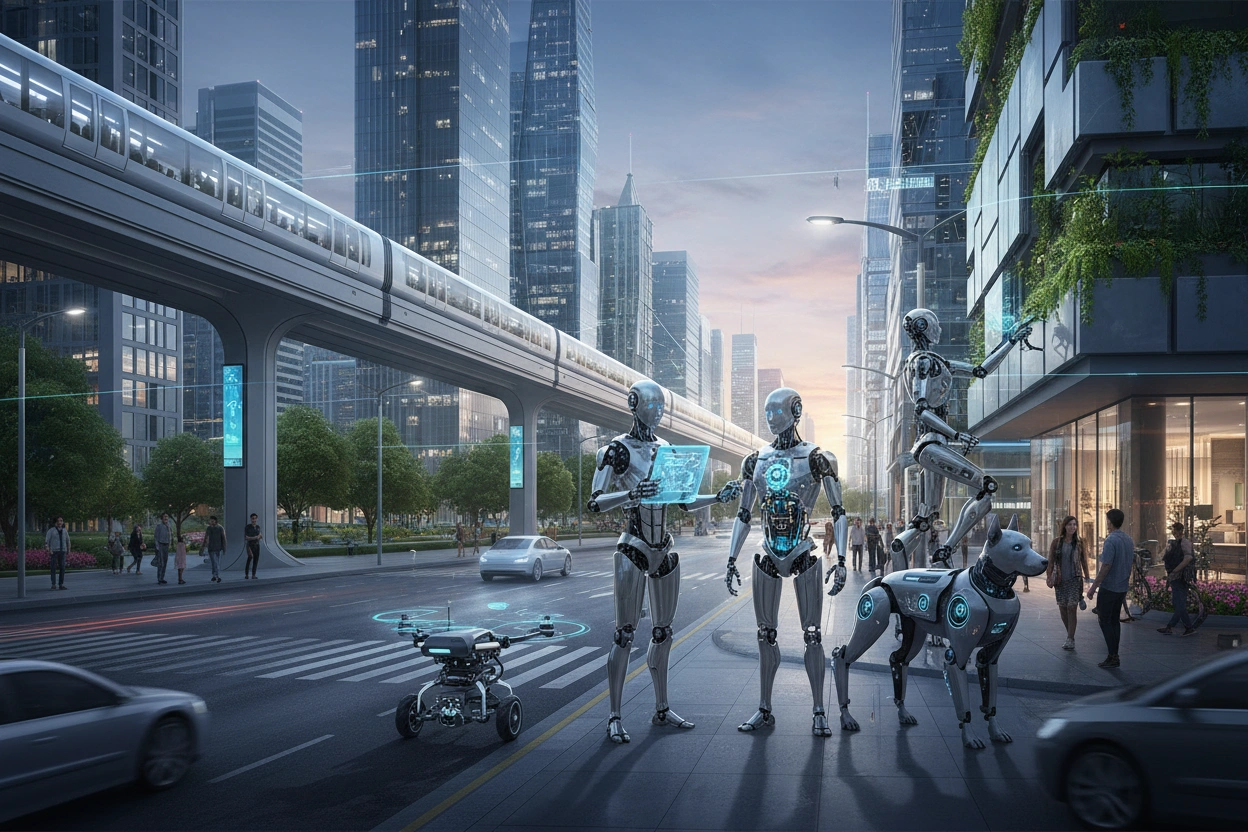
The integration of AI robotics into consumer experiences is one of the most transformative trends in technology today. As we step into 2026, the evolution of AI robotics is not merely a futuristic vision but a present-day reality reshaping industries, enhancing customer interactions, and streamlining operations. From retail to hospitality, AI robotics is enhancing efficiency and personalization, allowing businesses to meet the ever-evolving expectations of consumers. In this article, we will explore how AI robotics is revolutionizing consumer experiences and delve into the top trends for 2026.
Understanding AI Robotics
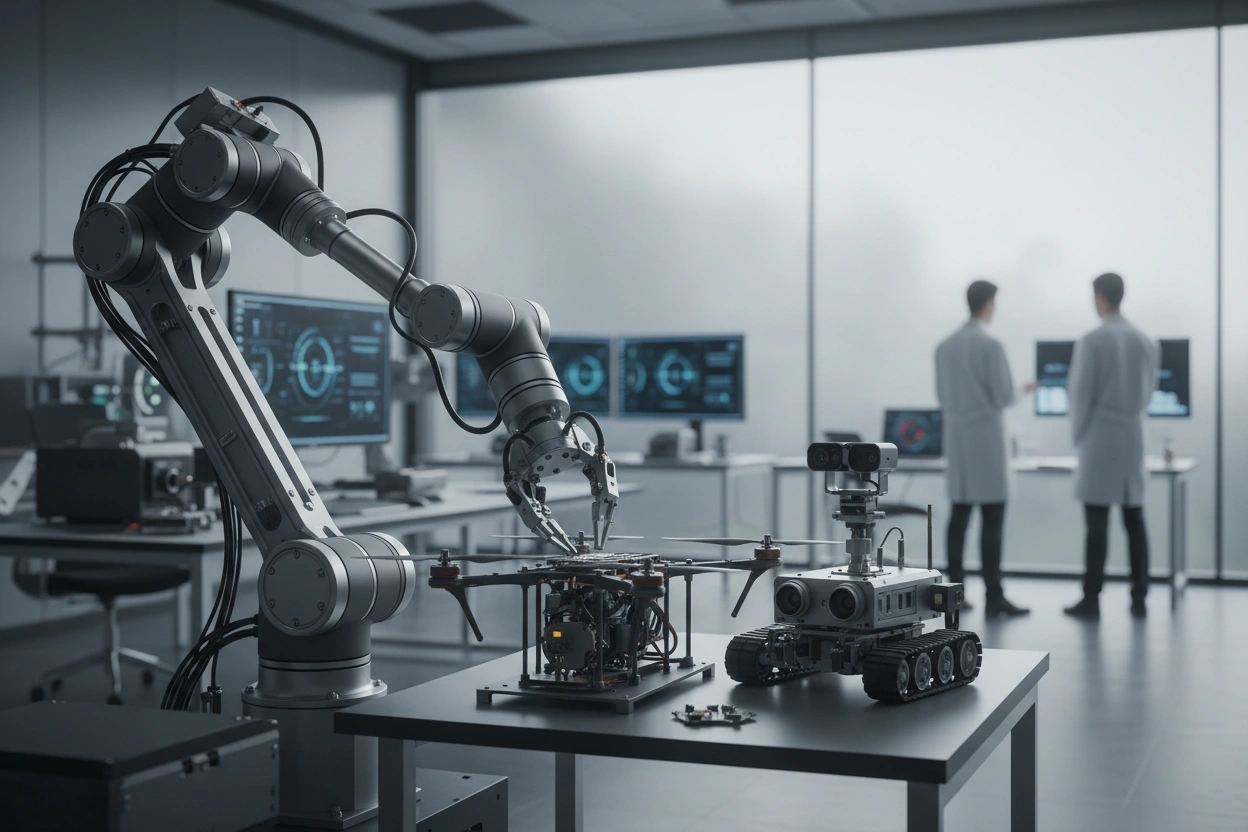
AI robotics combines artificial intelligence with robotics to create machines capable of performing tasks that typically require human intelligence. These intelligent machines can analyze data, learn from experiences, and interact with their environment, making them invaluable in various sectors. The key components of AI robotics include machine learning, computer vision, natural language processing, and autonomous decision-making.
The Role of AI Robotics in Consumer Experiences
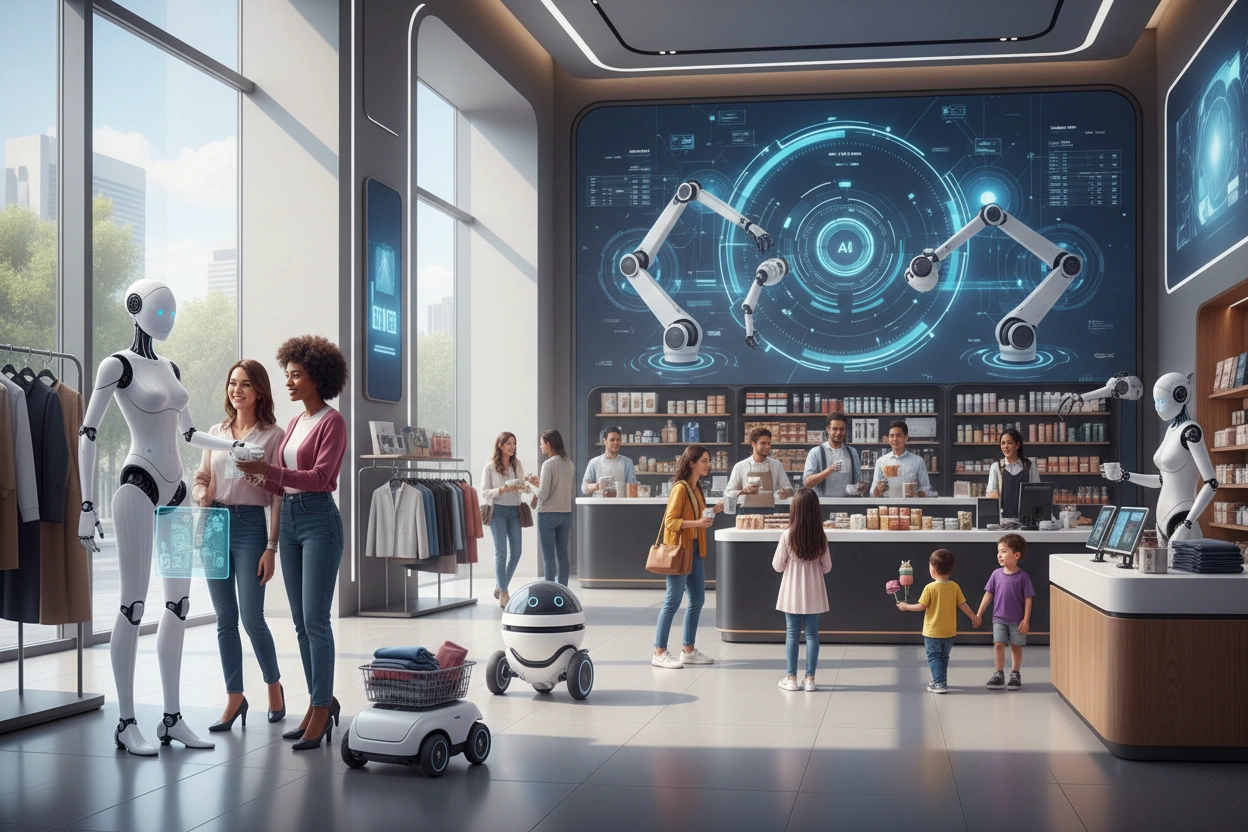
AI robotics plays a crucial role in enhancing consumer experiences by providing personalized services, improving efficiency, and ensuring consistency. For instance, in retail, AI-powered robots can assist customers by providing product information, managing inventory, and even facilitating transactions. This not only improves customer satisfaction but also allows businesses to optimize their operations.
Common Misconceptions About AI Robotics
Despite its growing prevalence, there are several misconceptions surrounding AI robotics. One common myth is that AI robotics will completely replace human jobs. While AI robotics can automate certain tasks, they are designed to complement human efforts rather than replace them. Another misconception is that AI robotics are too expensive for small businesses. In reality, the decreasing costs of technology and the availability of scalable solutions mean that businesses of all sizes can benefit from AI robotics.
Top Trends in AI Robotics for 2026
As we look ahead to 2026, several key trends are emerging in the field of AI robotics that will further revolutionize consumer experiences. Here are the top trends to watch:
Increased Personalization
AI robotics will leverage data analytics to deliver hyper-personalized experiences. By analyzing consumer behavior and preferences, AI robots can tailor interactions and recommendations, ensuring that each customer receives a unique experience that caters to their individual needs.
Enhanced Human-Robot Collaboration
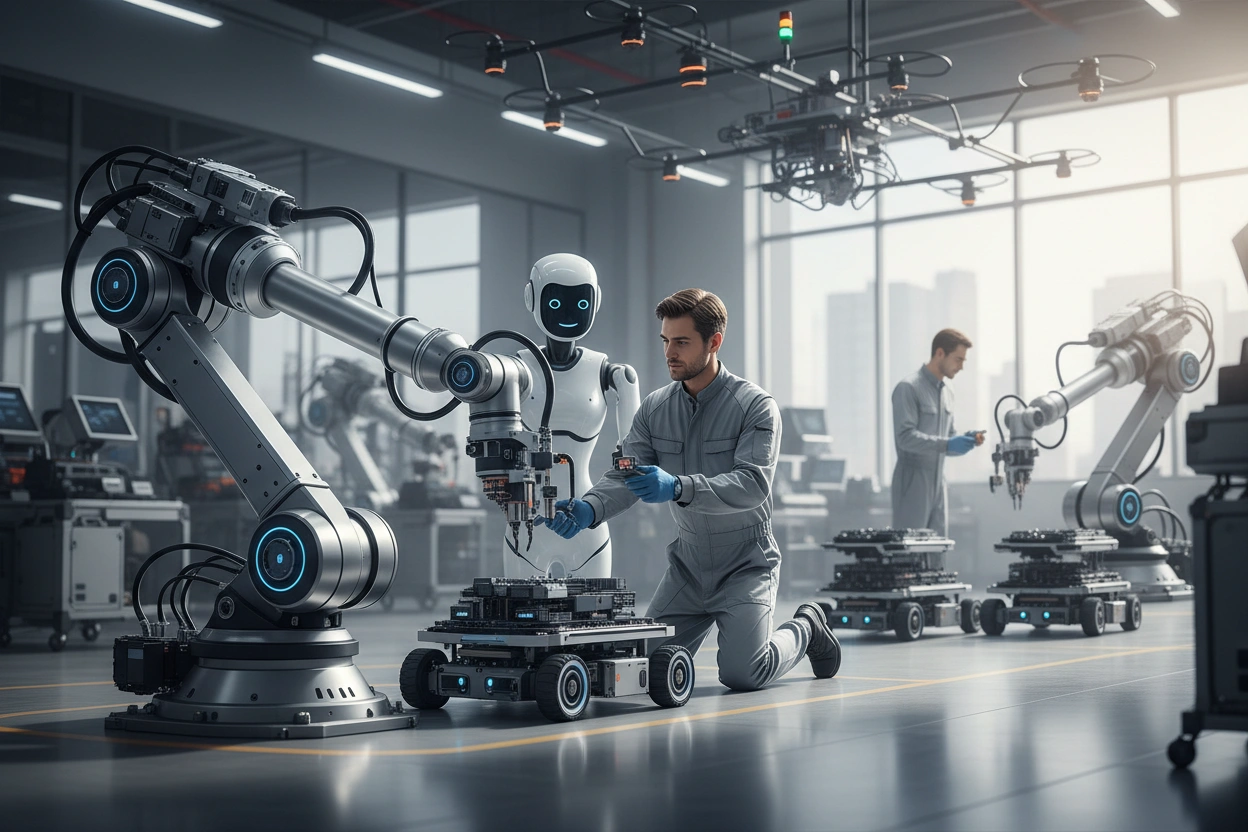
The trend of collaborative robots, or cobots, will gain traction as businesses seek to improve efficiency while maintaining a human touch. These robots are designed to work alongside humans, assisting with tasks such as assembly line work, customer service, and data analysis, thereby enhancing productivity.
Integration of Augmented Reality (AR)
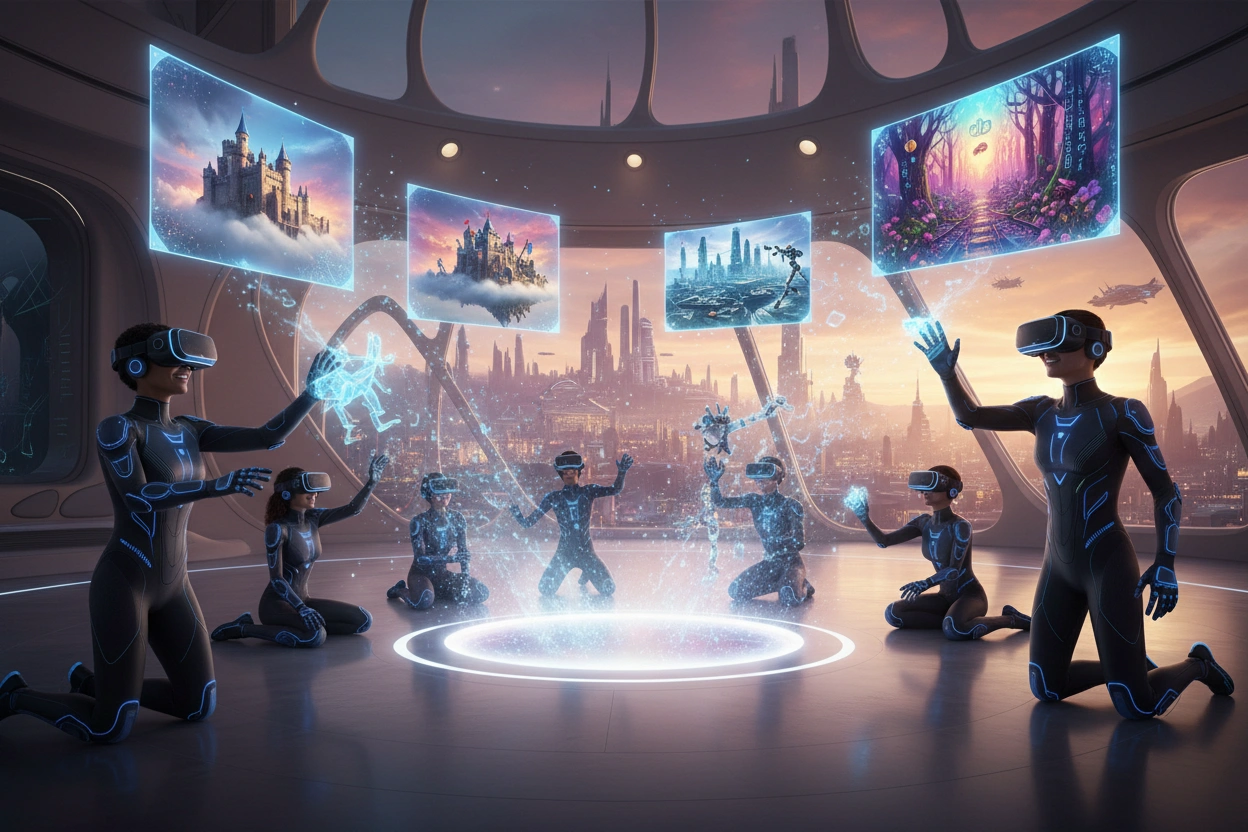
The combination of AI robotics and augmented reality will create immersive consumer experiences. For example, in retail, AR can be used to visualize products in a customer’s environment, while AI robots can provide real-time assistance and information, bridging the gap between digital and physical shopping experiences.
Robotics as a Service (RaaS)
The RaaS model will become increasingly popular, allowing businesses to access AI robotics solutions on a subscription basis. This trend lowers the barriers to entry for small and medium-sized enterprises, enabling them to leverage advanced technologies without significant upfront investments.
Sustainability and Ethical AI
As consumers become more environmentally conscious, the demand for sustainable AI robotics solutions will rise. Companies will focus on developing energy-efficient robots and ensuring ethical practices in AI development, aligning with consumer values and expectations.
The Impact of AI Robotics on Various Industries
The influence of AI robotics spans multiple sectors, each experiencing unique transformations in consumer interactions.
Retail Revolution
In the retail sector, AI robotics is streamlining operations through automation and enhancing customer experiences. For instance, AI-powered chatbots provide 24/7 customer support, answering queries and guiding customers through their purchasing journey. Additionally, robots equipped with computer vision can manage inventory, ensuring that shelves are stocked and products are easily accessible.
Hospitality Innovation
AI robotics is redefining the hospitality industry by improving service delivery and guest experiences. Hotels are increasingly utilizing AI robots for tasks such as room service, cleaning, and concierge services. This not only enhances efficiency but also allows staff to focus on providing personalized services that elevate the guest experience.
Healthcare Advancements
In healthcare, AI robotics is making significant strides in patient care and operational efficiency. Robots can assist with surgeries, manage logistics, and even provide companionship to patients. By automating routine tasks, healthcare professionals can devote more time to patient interaction, ultimately improving care quality.
Actionable Insights for Businesses
To leverage the potential of AI robotics, businesses must adopt strategic approaches that align with their goals and customer expectations. Here are some actionable insights:
Invest in Data Analytics
Understanding consumer behavior is crucial for personalization. Businesses should invest in data analytics tools to gather insights and tailor experiences accordingly.
Embrace Collaboration
Foster a culture of collaboration between humans and AI robotics. Train employees to work alongside robots, enhancing productivity and job satisfaction.
Stay Informed About Technological Advances
The field of AI robotics is rapidly evolving. Businesses must stay informed about emerging technologies and trends to remain competitive and relevant in their industries.
Prioritize Ethical Considerations
As AI robotics become more prevalent, businesses should prioritize ethical considerations in their development and deployment. Ensure transparency and fairness in AI algorithms to build consumer trust.
The Future of AI Robotics
Looking forward, the future of AI robotics is filled with potential. As technology continues to advance, the capabilities of AI robotics will expand, further enhancing consumer experiences. Businesses that embrace these changes and adapt to the evolving landscape will find themselves at the forefront of innovation.
Common Mistakes to Avoid
When integrating AI robotics into consumer experiences, businesses should be mindful of common pitfalls:
Neglecting Employee Training
Failing to train employees on how to work with AI robotics can lead to inefficiencies and decreased morale.
Ignoring Customer Feedback
Not taking customer feedback into account when implementing AI robotics can result in solutions that do not meet consumer needs.
Overlooking Ethical Implications
Ignoring the ethical implications of AI robotics can lead to public backlash and loss of consumer trust.
Embracing the AI Robotics Revolution with Outer Edge
As AI robotics continues to revolutionize consumer experiences, businesses must adapt to remain competitive. The integration of AI robotics not only enhances operational efficiency but also meets the growing demand for personalized services. Outer Edge is dedicated to helping businesses navigate this transformative landscape, providing insights and strategies to implement AI robotics effectively.
In exploring how AI robotics is reshaping consumer experiences, we've seen the significance of staying ahead of trends and avoiding common pitfalls. As you consider the future of your business, remember that the right approach to AI robotics can unlock new opportunities for growth and customer satisfaction.
For more information on how to implement AI robotics in your business, visit Outer Edge.


.svg)




.png)


