The landscape of technology is rapidly evolving, and at the forefront of this evolution is the field of AI robotics. As we move deeper into 2026, investors are increasingly turning their attention to startups that combine artificial intelligence with robotics. These innovations are not only transforming industries but also creating significant investment opportunities. This article explores what investors should know about AI robotics startups, highlighting key trends and insights that can guide investment decisions in this dynamic sector. best practices
Understanding AI Robotics: A Fusion of Two Technologies
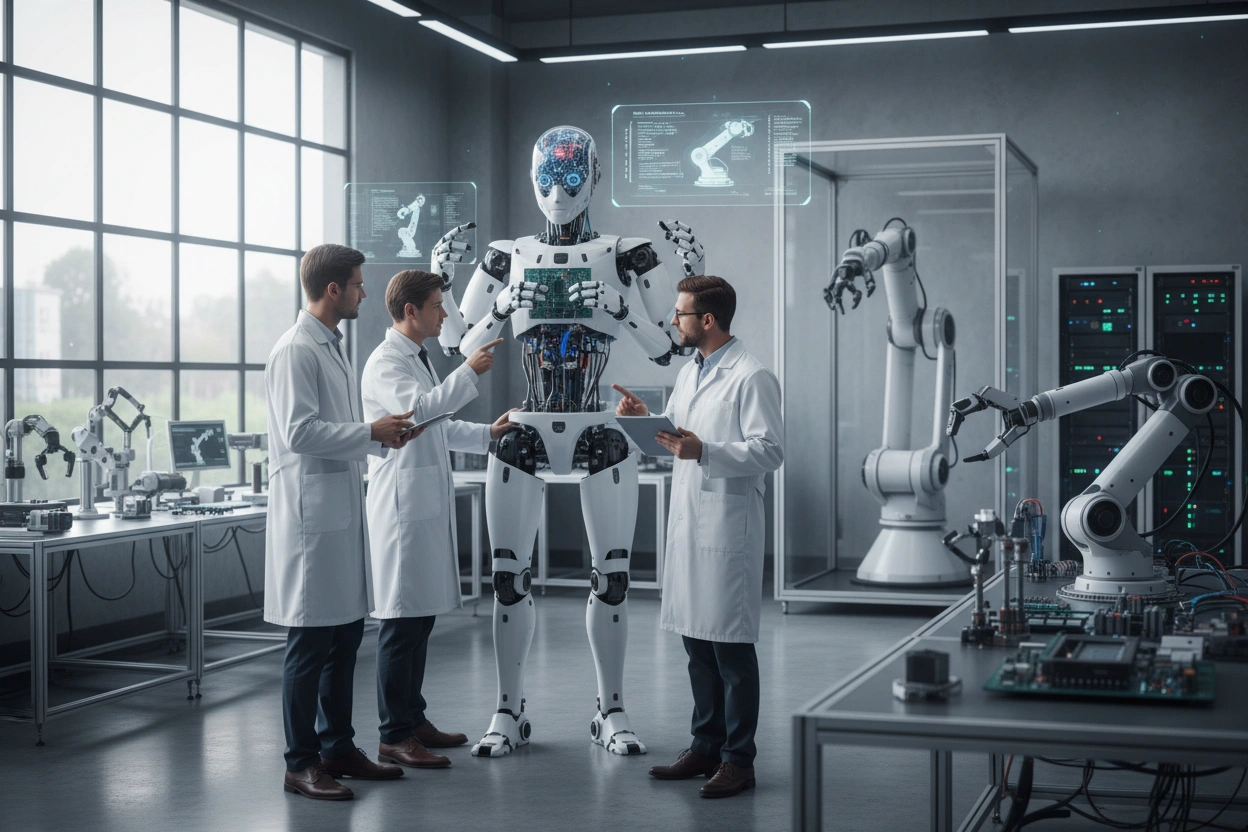
AI robotics is the integration of artificial intelligence into robotic systems, enabling machines to perform tasks that require human-like intelligence. This includes learning, reasoning, problem-solving, perception, and language understanding. The fusion of these technologies is revolutionizing consumer experiences in various sectors, including manufacturing, healthcare, and logistics.
The growth of AI robotics is driven by advancements in machine learning algorithms, sensor technologies, and computing power. In 2026, we are witnessing the emergence of more sophisticated AI systems that can adapt and learn from their environments, making them increasingly autonomous. This shift is not only enhancing operational efficiency but also reducing costs across various industries.
Key Components of AI Robotics
- Artificial Intelligence: This includes machine learning, deep learning, and neural networks that allow robots to process information and make decisions.
- Sensors and Actuators: These are critical for robots to interact with their environment. Sensors provide data about surroundings, while actuators enable movement and manipulation.
- Software Integration: This involves programming and control systems that allow robots to execute tasks autonomously.
Understanding these components is essential for investors looking to evaluate the potential of AI robotics startups.
Top Trends in AI Robotics for 2026
Investors should keep an eye on several key trends shaping the AI robotics landscape in 2026. These trends not only highlight the direction of innovation but also present unique investment opportunities. top innovations shaping the future
1. Increased Autonomy in Robotics
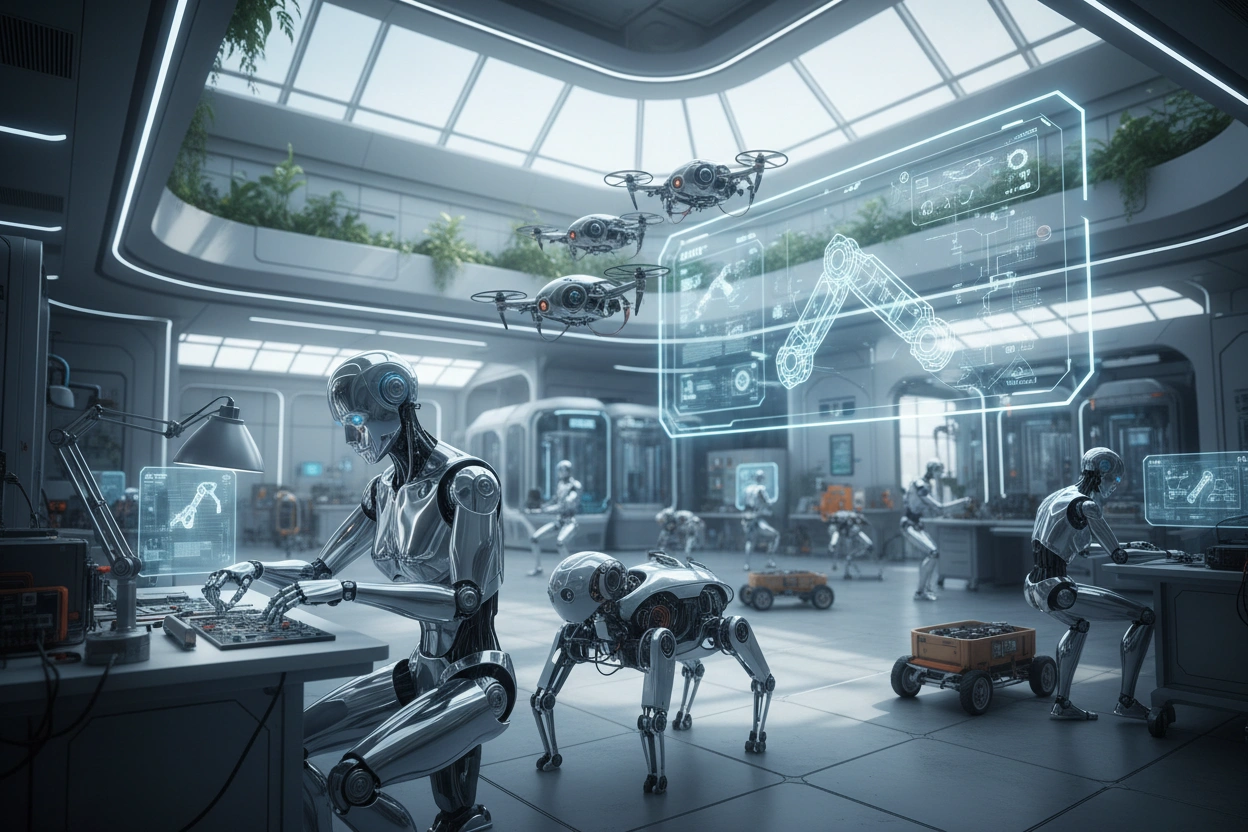
The demand for autonomous systems is growing, particularly in industries like logistics and agriculture. Startups are developing robots capable of performing complex tasks with minimal human intervention. This trend is driven by the need for efficiency and cost reduction.
- Example: Autonomous delivery drones and self-driving vehicles are gaining traction, promising to revolutionize last-mile delivery services.
2. Collaborative Robots (Cobots)
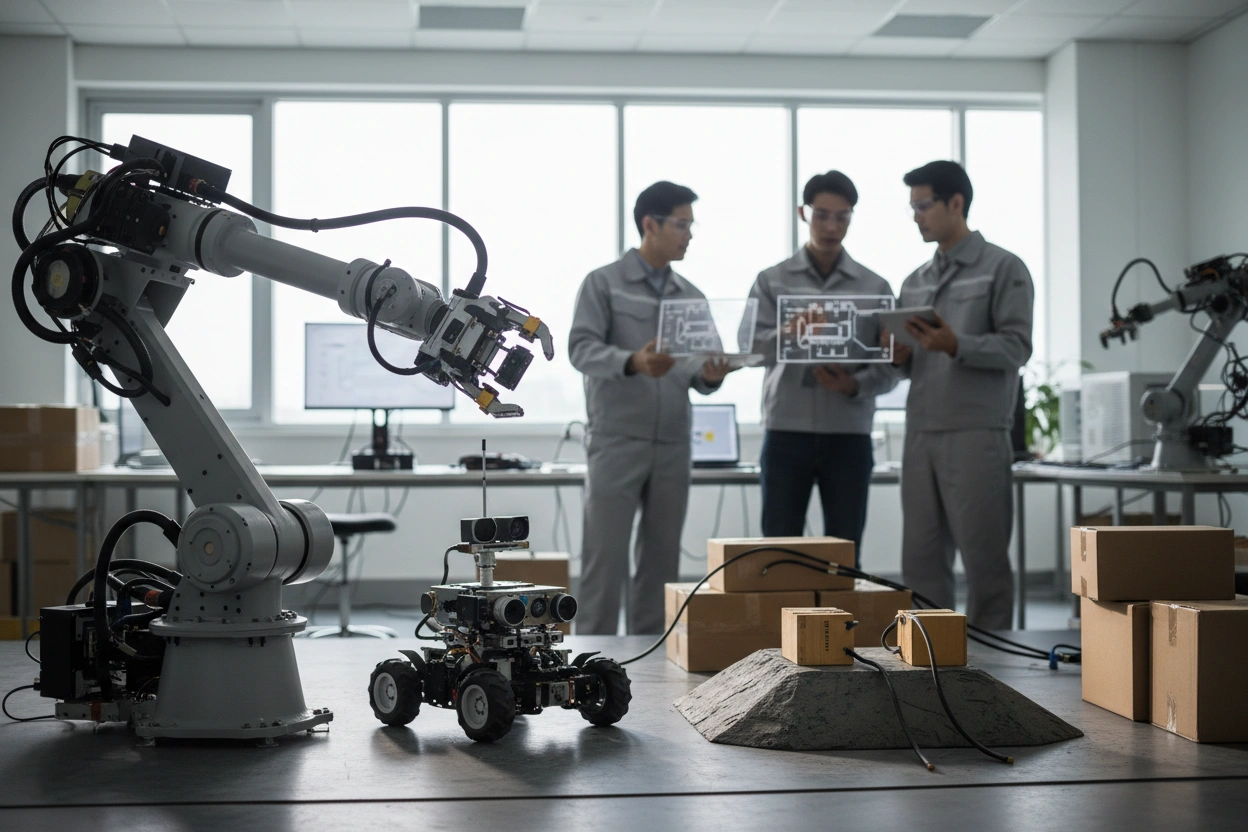
Collaborative robots, or cobots, are designed to work alongside humans. Unlike traditional robots that operate in isolation, cobots enhance human capabilities and improve workplace safety. This trend is particularly relevant in manufacturing and assembly lines.
- Benefits:
- Enhanced productivity
- Reduced risk of workplace accidents
- Improved flexibility in operations
3. AI-Driven Predictive Maintenance
AI robotics is increasingly being used for predictive maintenance in industrial settings. By leveraging machine learning algorithms, these robots can predict equipment failures before they occur, allowing companies to minimize downtime and reduce maintenance costs.
- Impact: This trend is particularly relevant for sectors such as manufacturing and energy, where equipment reliability is critical.
4. Robotics in Healthcare
The healthcare sector is experiencing a surge in the adoption of AI robotics, particularly in surgical procedures, patient care, and rehabilitation. Startups are developing robots that assist surgeons with precision tasks and provide support to patients in recovery.
- Future Outlook: The demand for robotic-assisted surgeries is expected to grow, driven by the need for minimally invasive procedures and improved patient outcomes.
5. Sustainability and Green Robotics
As environmental concerns continue to rise, there is a growing focus on sustainability within the robotics industry. Startups are innovating to create energy-efficient robots that minimize waste and reduce their carbon footprint.
- Notable Innovations:
- Solar-powered drones
- Robots designed for waste management and recycling
Common Misconceptions About AI Robotics Startups
Investors often hold misconceptions about AI robotics that can lead to misguided investment decisions. Understanding these misconceptions is crucial for making informed choices.
Misconception 1: AI Robotics is Only for Large Enterprises
Many believe that AI robotics is only applicable to large corporations with substantial budgets. In reality, there are numerous startups developing affordable AI robotic solutions tailored for small and medium-sized enterprises.
Misconception 2: AI Robotics Will Replace Human Jobs
While there is concern about job displacement due to automation, the reality is that AI robotics is designed to augment human capabilities rather than replace them. Many robots are created to handle repetitive tasks, allowing humans to focus on more complex and creative responsibilities.
Misconception 3: All AI Robotics Startups are the Same
Investors may assume that all AI robotics startups have similar technology and business models. However, the reality is that each startup often specializes in niche applications, making it essential for investors to conduct thorough research to identify those with unique value propositions.
Evaluating AI Robotics Startups for Investment
When considering investments in AI robotics startups, investors should focus on several critical factors that can determine the success of a startup.
1. Technology Differentiation
Assess the startup's technology and how it stands out from competitors. Look for unique features, scalability, and the potential for future developments. A startup that has proprietary technology or patents may offer a competitive edge.
2. Market Demand and Application
Evaluate the market need for the startup's product. Is there a growing demand for the specific application of AI robotics? Startups addressing clear pain points in industries such as healthcare, logistics, or manufacturing are more likely to succeed.
3. Team Expertise
The experience and expertise of the founding team can significantly impact a startup's success. Investors should look for teams with a strong background in robotics, AI, and relevant industry experience.
4. Financial Viability
Examine the startup's financial health, including funding history, revenue models, and projected growth. Understanding the financial aspects will provide insight into the startup's sustainability and potential for returns.
5. Regulatory Considerations
AI robotics often involves navigating complex regulatory environments. Investors should consider how well a startup understands and adheres to regulations in their respective industry, as this can impact their ability to scale.
Future of AI Robotics: What to Expect
The future of AI robotics is promising, with advancements in technology set to drive further innovation. As we move forward, several key developments are anticipated.
Enhanced Human-Robot Interaction
Advancements in natural language processing and machine learning will lead to more intuitive human-robot interactions. This will enable robots to understand and respond to human commands more effectively, making them more user-friendly.
Integration with IoT
The integration of AI robotics with the Internet of Things (IoT) will enhance the capabilities of robotic systems. This synergy will allow for real-time data exchange, enabling robots to operate more intelligently and efficiently.
Expansion into New Industries
As technology matures, AI robotics is expected to penetrate new industries beyond manufacturing and healthcare. Sectors such as agriculture, retail, and even entertainment may see increased adoption of robotic solutions.
The Path Forward for Investors
Investing in AI robotics startups requires a strategic approach. Here are essential steps for investors looking to navigate this evolving landscape:
- Conduct thorough market research to identify emerging trends and technologies.
- Network with industry experts and attend relevant conferences to gain insights.
- Evaluate startups based on technology differentiation, market demand, and team expertise.
- Diversify investments to mitigate risks associated with emerging technologies.
By following these steps, investors can position themselves to capitalize on the opportunities presented by AI robotics. next frontier AI robotics summit
The Intersection of AI Robotics and Investment Opportunities
As we explore the landscape of AI robotics startups, it becomes clear that this sector is ripe with potential. Investors who understand the nuances of this technology and stay informed about emerging trends can make strategic decisions that yield significant returns. stories for the future
At Outer Edge, we are committed to helping investors navigate the complexities of the AI robotics market. Our insights and resources can empower you to make informed decisions, whether you are new to this field or looking to expand your existing portfolio.
For more information on how Outer Edge can assist you in your investment journey, visit Outer Edge today. Together, we can explore the promising future of AI robotics and uncover opportunities that align with your investment goals.



.svg)






.png)


