How Web3 Entertainment Misunderstands Genuine Audience Participation
No items found.
Updated on:
January 18, 2026
How Web3 Entertainment Misunderstands Genuine Audience Participation
Updated on:
January 18, 2026
The rise of Web3 technology promises to revolutionize entertainment, yet many creators miss the mark on true audience involvement. As decentralized platforms and blockchain technologies gain traction, they offer a vision of a more participatory form of entertainment. However, the reality often falls short of this promise, leading to misconceptions about how audiences truly want to engage with content. This article explores the misconceptions surrounding audience participation in Web3 entertainment and offers insights on how to foster genuine engagement.
The Misalignment Between Web3 and Audience Expectations
The Web3 entertainment landscape is characterized by its promise of decentralization, user ownership, and enhanced interaction. However, this potential often clashes with the traditional expectations of audiences. Many creators believe that simply enabling blockchain technology or issuing NFTs will automatically lead to increased engagement. This assumption overlooks the nuanced ways audiences seek to connect with the content they consume.
A common misconception is that audiences desire ownership of digital assets alone. While ownership can be appealing, it does not equate to meaningful participation. Audiences are often looking for deeper connections with the content and the creators behind it. They want to feel that their voices matter and that they are part of a community that shares their interests. Failing to recognize this misalignment can result in disillusionment among users, who may feel like mere spectators rather than active participants in the storytelling process.
The Role of Decentralized Media Platforms in Engagement
Decentralized media platforms have the potential to enhance interaction by creating spaces where users can contribute, collaborate, and co-create content. These platforms are designed to prioritize user input, allowing for a more dynamic exchange between creators and their audiences. By leveraging blockchain technology, creators can build systems that reward audience participation, fostering a culture of collaboration.
Successful examples of audience engagement on decentralized platforms demonstrate this potential. For instance, platforms that allow users to vote on story developments or contribute their own narratives can create a sense of ownership and investment in the content. Additionally, projects that incorporate community feedback into the creative process often see increased loyalty and enthusiasm from their audience. This level of engagement transcends traditional consumption, transforming audiences into active participants who feel valued and heard.
Interactive Storytelling and the Future of Audience Engagement
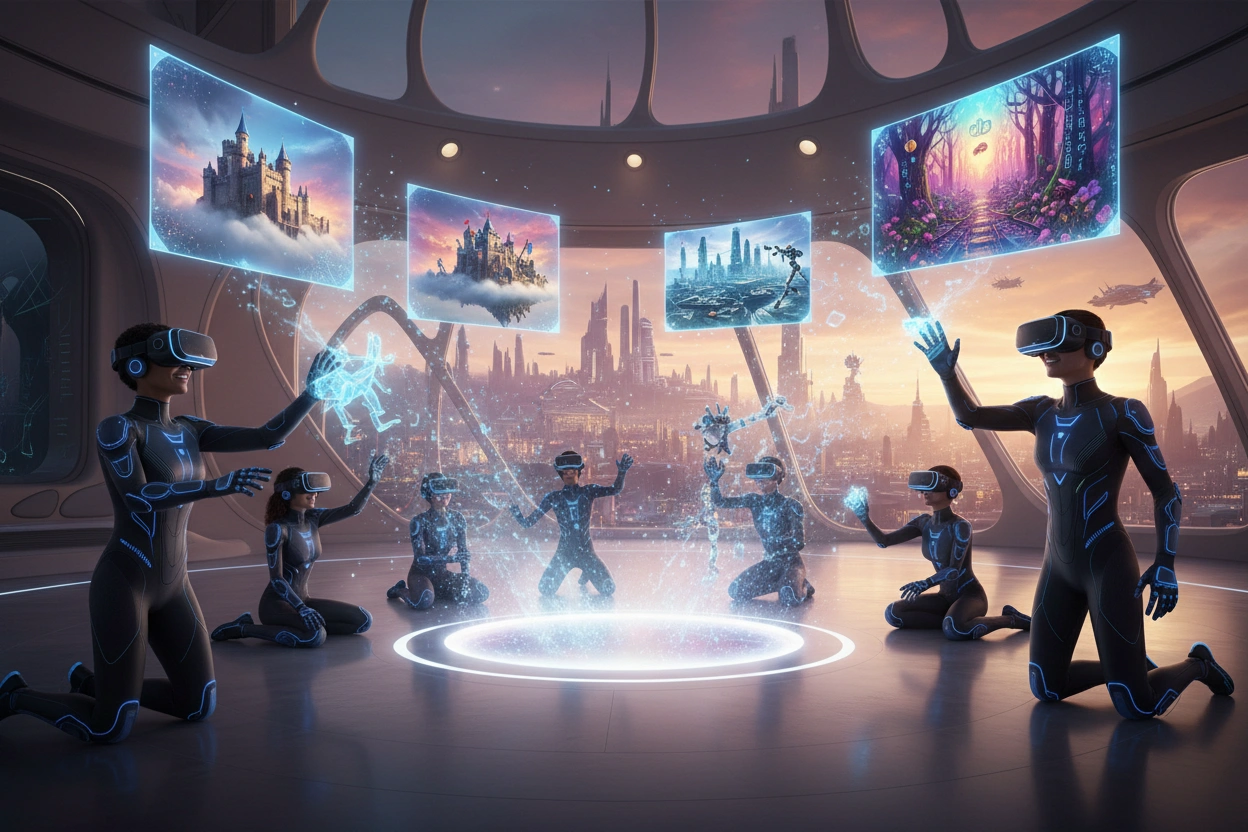
Interactive storytelling represents a significant evolution in how audiences engage with content. Techniques such as branching narratives, real-time decision-making, and immersive experiences allow users to shape the story in ways that traditional media cannot. This interactivity fosters a deeper connection between the audience and the narrative, as users become co-authors of their experiences.
User-generated content plays a pivotal role in this new landscape. When audiences can contribute their own ideas, characters, or plotlines, they feel a stronger attachment to the narrative. This model not only enhances engagement but also enriches the content itself, as diverse voices and perspectives are integrated into the storytelling process. As audiences increasingly seek personalized experiences, creators must embrace these interactive techniques to meet their evolving expectations.
Blockchain Gaming: Redefining Player Participation
Understanding blockchain gaming dynamics is essential for creators looking to enhance player participation. By implementing mechanisms that reward players for their contributions—such as creating content, providing feedback, or participating in governance—developers can cultivate a sense of community and shared purpose. This not only enhances player retention but also drives the long-term success of the gaming ecosystem. As the industry continues to evolve, embracing these principles will be key to creating games that resonate with players on a deeper level.
Designing Participation Beyond Ownership
The biggest misconception in Web3 entertainment is that ownership alone creates engagement. In reality, audiences are drawn to meaningful interaction—spaces where they can influence outcomes, contribute to stories, and feel seen as participants rather than holders. Platforms that emphasize interaction, narrative co-creation, and player empowerment are far more likely to cultivate vibrant, long-lasting communities than those that rely solely on tokenized ownership.
At Outer Edge, we spend time where these participation models are being tested and refined—through global gatherings, creative collaborations, and conversations with builders reshaping entertainment culture. If you’re exploring how to turn passive audiences into active communities in the Web3 era, come connect with us and expand your perspective on what true participation can look like.
Subscribe to Edge Of Weekly
Join more than 40k+ investors, dreamers, builders & experts in getting exclusive weekly content and access to the top 1% of Web3, Blockchain, and AI globally!




.svg)





.png)


