The digital landscape is evolving, and with it comes the innovative concept of the tokenization of real world assets. This paradigm shift is transforming how assets are owned, traded, and managed, leveraging the power of blockchain technology. Tokenization refers to the process of converting physical assets—like real estate, art, or commodities—into digital tokens that can be easily traded and managed on blockchain networks. As of 2026, this technology is not just a trend; it is a fundamental shift in asset management that offers significant benefits to investors, companies, and the economy at large.
In this article, we will explore the essentials of digital asset management for the tokenization of real world assets. We will delve into the top five benefits of tokenizing real world assets, addressing common misconceptions, and providing actionable insights to help you navigate this emerging field effectively.
Understanding the Tokenization of Real World Assets
What is Tokenization?
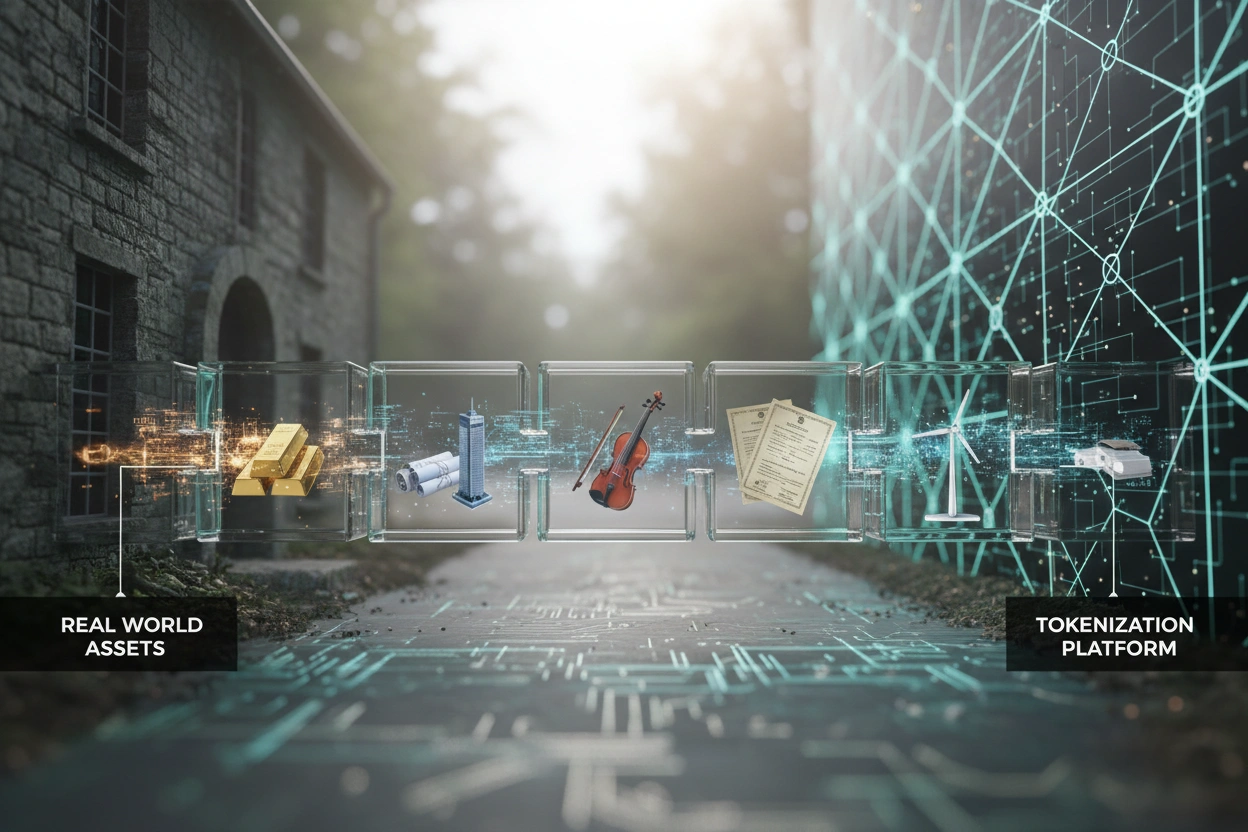
Tokenization involves creating a digital representation of a physical asset on a blockchain. Each token represents a specific share of ownership in the asset, allowing for fractional ownership and easier transferability. This process can apply to various asset classes, including real estate, luxury goods, and even intellectual property.
The key technology enabling tokenization is blockchain technology, which provides a decentralized and secure ledger for recording transactions. This ensures transparency and reduces the risk of fraud, making it an attractive option for both investors and asset owners.
How Does Tokenization Work?
The tokenization process typically involves several steps:
- Asset Identification: The first step is identifying the asset to be tokenized. This can range from physical real estate to artwork.
- Legal Framework: Establishing a legal framework is crucial. It involves ensuring compliance with regulations and creating smart contracts that govern the terms of ownership and transfer.
- Token Creation: Once the legal framework is in place, digital tokens are created to represent ownership shares of the asset.
- Marketplace Listing: The tokens are then listed on a blockchain-based marketplace where they can be bought, sold, or traded.
- Ownership Transfer: When a transaction occurs, the ownership of the tokens is transferred on the blockchain, ensuring a secure and transparent record.
Top 5 Benefits of Tokenizing Real World Assets
Tokenizing real world assets offers numerous advantages, making it a compelling option for investors and asset owners. Here are the top five benefits:
1. Increased Liquidity
One of the most significant advantages of tokenization is increased liquidity. Traditional assets, such as real estate, often have high barriers to entry and can take a considerable amount of time to sell. Tokenization allows for fractional ownership, enabling smaller investors to participate in markets that were previously inaccessible. This creates a more dynamic marketplace where assets can be bought and sold quickly.
- Tokenized assets can be traded 24/7 on blockchain platforms.
- Smaller investments lower the barrier for entry, attracting a wider range of investors.
- Increased liquidity can lead to more competitive pricing for assets.
2. Enhanced Transparency
The blockchain technology underpinning tokenization offers unparalleled transparency. Every transaction is recorded on a public ledger, making it easy for all parties to verify ownership and transaction history. This transparency reduces the risk of fraud and enhances trust among investors.
- All transactions are immutable and publicly accessible.
- Smart contracts automate compliance and ensure that terms are met.
- Investors can easily track the performance and history of their assets.
3. Lower Transaction Costs
Tokenization can significantly reduce transaction costs associated with buying, selling, and managing assets. Traditional asset transactions often involve intermediaries, such as brokers and legal advisors, which can lead to high fees. By utilizing blockchain technology, many of these intermediaries can be eliminated, streamlining the process and reducing costs.
- Automated processes decrease the need for manual intervention.
- Lower fees can increase overall returns for investors.
- Reduced overhead costs for asset management.
4. Global Accessibility
Tokenized assets can be accessed by investors from around the world, breaking down geographical barriers. This global reach allows asset owners to tap into a wider pool of potential investors, increasing the chances of successful sales and investments.
- Investors can participate in markets they may have previously been excluded from.
- Greater diversity in investment opportunities enhances market stability.
- Blockchain technology facilitates cross-border transactions with ease.
5. Fractional Ownership
Tokenization enables fractional ownership, allowing multiple investors to hold shares in a single asset. This democratizes investment opportunities, making it possible for individuals to invest in high-value assets without needing substantial capital.
- Investors can diversify their portfolios with smaller amounts of capital.
- Asset owners can raise funds more easily by attracting multiple investors.
- Fractional ownership opens the door to innovative investment models.
Common Misconceptions About Tokenization
While the tokenization of real world assets presents numerous benefits, there are also misconceptions that can hinder understanding and adoption. Addressing these misconceptions is crucial for stakeholders in the industry.
Misconception 1: Tokenization is Only for Cryptocurrency Enthusiasts
One common misconception is that tokenization is primarily for cryptocurrency enthusiasts or tech-savvy individuals. In reality, tokenization can benefit a wide range of investors, including those who may not be familiar with blockchain technology. Educational resources and platforms are increasingly available to help new investors understand the process.
Misconception 2: Tokenization Eliminates All Risks
While tokenization enhances transparency and liquidity, it does not eliminate all risks associated with investing. Market volatility, regulatory changes, and technological challenges can still impact tokenized assets. Investors should conduct thorough research and due diligence before engaging in tokenized investments.
Misconception 3: Tokenization is a Passing Trend
Some skeptics view tokenization as a passing trend rather than a fundamental shift in asset management. However, as industries increasingly adopt blockchain technology, the tokenization of real world assets is becoming a standard practice. Major financial institutions and startups alike are exploring this space, indicating its long-term potential. unconstitutional assault on cryptocurrency self custody.
Practical Steps to Implement Tokenization
To effectively engage in the tokenization of real world assets, stakeholders must follow a series of practical steps. This ensures a smooth transition from traditional asset management to a tokenized approach.
Step 1: Research Thoroughly
Before diving into tokenization, it is essential to conduct comprehensive research. Understand the regulatory landscape, market demand, and technological requirements for tokenization in your specific industry.
Step 2: Develop a Legal Framework
Create a robust legal framework that addresses compliance with local and international regulations. This may involve consulting legal experts specializing in blockchain and asset tokenization.
Step 3: Choose the Right Platform
Select a blockchain platform that aligns with your tokenization goals. Factors to consider include security features, transaction fees, and user experience.
Step 4: Create Smart Contracts
Develop smart contracts that define the terms of ownership, transfer, and any revenue-sharing agreements associated with the tokenized asset. These contracts automate processes and enhance transparency.
Step 5: Launch and Market the Tokens
Once the tokens are created and the legal framework is in place, launch the tokens on your chosen platform. Implement a marketing strategy to attract potential investors and raise awareness of the tokenized asset.
The Future of Tokenization in Asset Management
As the tokenization of real world assets continues to gain traction, its implications for asset management are profound. The integration of blockchain technology is likely to reshape traditional investment models, leading to more efficient, transparent, and accessible markets.
Trends to Watch
- Regulatory Developments: As more jurisdictions recognize the potential of tokenization, regulatory frameworks will evolve to accommodate this new asset class.
- Technological Advancements: Innovations in blockchain technology will enhance the capabilities of tokenization, improving security, scalability, and user experience.
- Increased Adoption: More companies and financial institutions will embrace tokenization as a standard practice, leading to greater acceptance and trust in the market.
Embracing the Tokenization of Real World Assets with Outer Edge
The tokenization of real world assets represents a significant opportunity for investors and asset owners alike. By understanding the essentials of tokenization of real world assets and NFTs and leveraging the benefits of tokenization, stakeholders can navigate this evolving landscape effectively. With the right strategies in place, businesses can unlock new revenue streams and enhance their investment portfolios.
At Outer Edge, we are committed to helping you explore the tokenization of real world assets. Our expertise in digital asset management provides you with the tools and insights needed to succeed in this innovative space.
To learn more about how tokenization can transform your asset management strategy, visit Outer Edge today. Engage with us and take the first step towards embracing the future of asset management.





.svg)






.png)


