Artificial intelligence (AI) in blockchain is rapidly becoming a game-changer in various sectors, merging the strengths of both technologies to create decentralized solutions. With the rise of decentralized finance (DeFi) and non-fungible tokens (NFTs), the integration of AI into blockchain applications is not just an emerging trend; it is reshaping the landscape of digital interactions and transactions. As we enter 2026, understanding the implications of AI in blockchain is essential for tech entrepreneurs, startup founders, and investors who are looking to navigate this innovative terrain.
In this article, we will explore the top use cases for AI in blockchain applications, showcasing how these technologies work in tandem to enhance efficiency, security, and decision-making. We will also discuss common misconceptions and mistakes made in this field, providing actionable insights for those looking to leverage these powerful tools effectively.
Understanding AI and Blockchain
What is Artificial Intelligence?
Artificial intelligence refers to the simulation of human intelligence in machines programmed to think and learn. AI encompasses various technologies, including machine learning, natural language processing, and computer vision. These systems analyze vast amounts of data to identify patterns, make predictions, and automate tasks that traditionally require human intervention.
What is Blockchain?
What is Blockchain? Blockchain technology is a decentralized digital ledger that records transactions across multiple computers in a way that ensures the security and integrity of the data. Each block in the chain contains a number of transactions, and once a block is filled, it is added to the chain in a linear, chronological order. This technology is known for its transparency, security, and resistance to tampering.
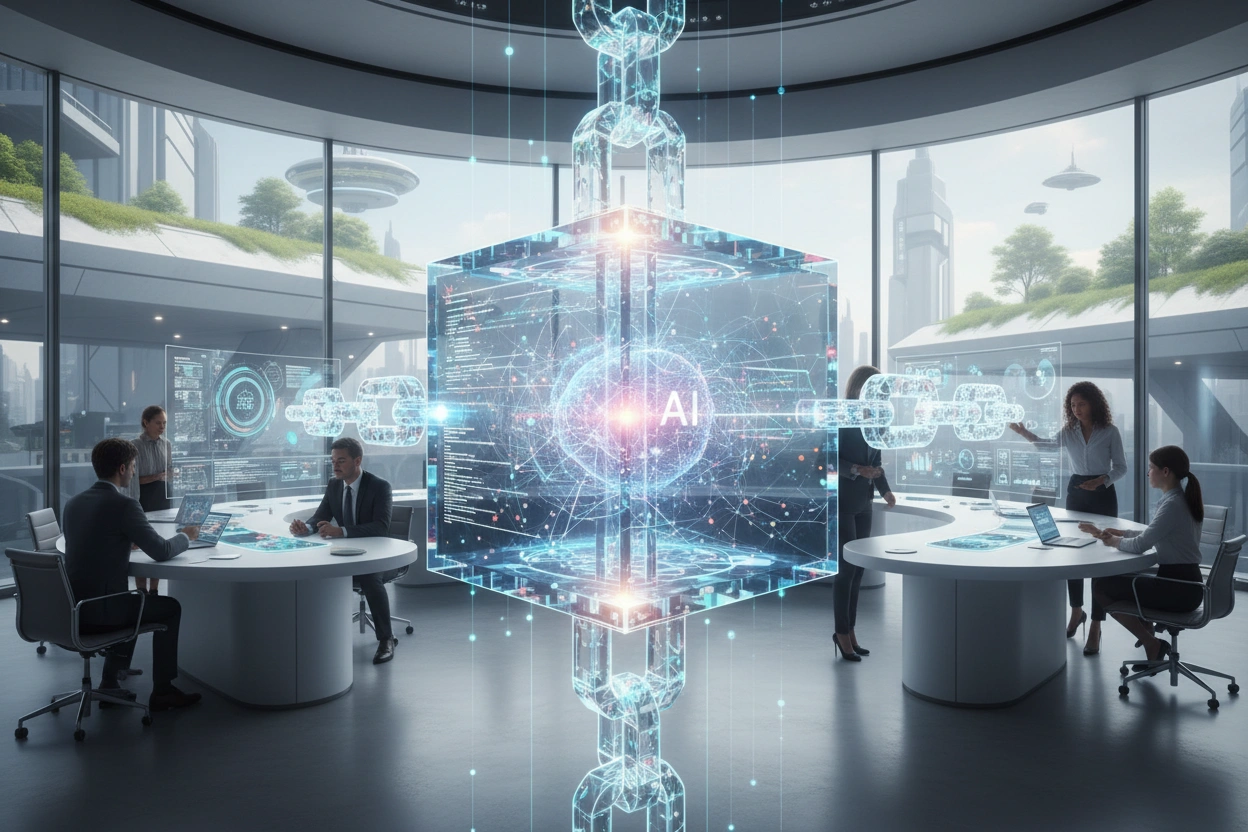
The Intersection of AI and Blockchain
Combining AI with blockchain technology can lead to innovative solutions that enhance data integrity, improve efficiency, and enable real-time decision-making. For instance, AI algorithms can analyze data stored on a blockchain to derive insights that would be difficult to obtain through traditional means. Conversely, blockchain can provide AI systems with a secure and transparent source of data, ensuring that the information used for training and decision-making is reliable.
Top Use Cases for AI in Blockchain Applications
The integration of AI in blockchain has opened up numerous possibilities across different industries. Here are some of the most promising use cases:
1. Supply Chain Management
AI and blockchain can significantly enhance supply chain transparency and efficiency. By using blockchain to record every transaction in the supply chain, companies can ensure that all parties have access to the same information in real-time. AI can analyze this data to predict demand, optimize inventory levels, and identify potential disruptions.
- Real-time tracking of goods
- Predictive analytics for demand forecasting
- Enhanced transparency and trust among stakeholders
2. Fraud Detection
The combination of AI and blockchain can bolster security measures in various sectors, especially finance. AI algorithms can analyze transaction patterns in real-time to detect anomalies indicative of fraudulent activity. When integrated with blockchain, these systems can trace the history of transactions, providing a clear audit trail for investigations.
- Immediate identification of suspicious transactions
- Automated responses to potential fraud
- Immutable records for forensic analysis
3. Smart Contracts
Smart contracts are self-executing contracts with the terms of the agreement directly written into code. AI can enhance smart contracts by enabling them to learn from historical data and adapt their execution based on new information. This can lead to more efficient and dynamic agreements in various sectors, from real estate to insurance.
- Automation of contract execution
- Adaptive terms based on real-time data
- Reduction of disputes and litigation
4. Healthcare
In healthcare, AI can analyze large datasets stored on blockchain to improve patient care and streamline operations. Blockchain can secure patient records, while AI can help in diagnosing diseases, personalizing treatment plans, and predicting patient outcomes.
- Secure sharing of patient data
- Enhanced diagnostic accuracy
- Improved patient management and outcomes
5. Identity Verification
Blockchain can provide a secure and immutable framework for identity verification, while AI can enhance the process by automating verification checks and analyzing patterns in identity usage. This is particularly useful in sectors like finance and e-commerce, where verifying the identity of users is critical.
- Secure digital identities
- Automated verification processes
- Reduction of identity theft and fraud
Common Misconceptions About AI in Blockchain
Despite the clear benefits, several misconceptions persist about AI in blockchain. Addressing these misconceptions is vital for fostering a better understanding of this technology.
Misconception 1: AI Will Replace Blockchain
One common misunderstanding is that AI will completely replace blockchain technology. In reality, AI and blockchain complement each other, with AI enhancing data processing and decision-making capabilities, while blockchain provides a secure and transparent foundation for data storage and sharing.
Misconception 2: Blockchain Is Only for Cryptocurrency
Blockchain is Only for Cryptocurrency While blockchain gained prominence through cryptocurrencies, its applications extend far beyond financial transactions. Blockchain technology is being utilized in supply chain management, healthcare, identity verification, and more, making it a versatile tool in various industries.
Misconception 3: Implementing AI in Blockchain Is Simple
Integrating AI into blockchain applications is not a straightforward task. It requires a deep understanding of both technologies, as well as careful planning and execution. Organizations must consider data privacy, regulatory compliance, and the ethical implications of using AI.
Actionable Insights for Implementing AI in Blockchain
To successfully leverage AI in blockchain, organizations should consider the following steps:
Assess Your Needs
Begin by identifying specific business problems that AI and blockchain can address. Understand the objectives you want to achieve and the data you need to collect.
Choose the Right Technology Stack
Select appropriate AI and blockchain technologies that align with your goals. Consider factors such as scalability, security, and compatibility with existing systems.
Develop a Clear Strategy
Create a roadmap for implementation, outlining key milestones, resource allocation, and stakeholder involvement. Ensure that all team members understand the objectives and their roles.
Focus on Data Governance
Establish robust data governance policies to ensure data quality, security, and compliance with regulations. This is especially important when dealing with sensitive information.
Continuously Monitor and Optimize
Implement monitoring systems to track the performance of AI algorithms and blockchain applications. Use this data to optimize processes and improve outcomes over time.
The Future of AI in Blockchain
As we move further into 2026, the synergy between AI and blockchain is expected to deepen. Organizations that embrace these technologies will likely gain a competitive advantage in their respective industries. The ongoing advancements in both fields will lead to more innovative applications, driving efficiencies and creating new opportunities.
The potential for AI in blockchain applications is immense, but it is essential to approach these technologies thoughtfully. Organizations must be prepared to address the challenges that arise while remaining focused on the transformative benefits they can offer.
The Intersection of AI and Blockchain Innovation
Understanding the integration of AI in blockchain is crucial for anyone involved in emerging technology fields. The capabilities of these technologies, when combined, hold the promise of creating innovative solutions that can redefine industries. As tech entrepreneurs and investors look to the future, it is vital to stay informed about the evolving landscape of decentralized AI solutions.
Outer Edge can assist you in implementing AI in blockchain and other emerging technologies, visit Outer Edge today.





.svg)






.png)


