The emergence of web3 gaming and entertainment has transformed how players interact, engage, and build communities within the digital landscape. This shift is not merely a technological upgrade but a fundamental change in the social fabric of gaming, driven by decentralized technologies such as blockchain. As players seek deeper connections and more meaningful experiences, understanding the dynamics of these new ecosystems becomes essential for developers and community leaders alike.
In 2026, the trends within blockchain entertainment are evolving rapidly, offering unique opportunities to foster robust gaming communities. This article delves into the top trends shaping the landscape of web3 gaming and entertainment, providing actionable insights that can help stakeholders navigate this dynamic environment.
The Role of Blockchain in Gaming Communities
Understanding Blockchain's Impact
Blockchain technology is at the core of web3 gaming and entertainment, enabling new forms of interaction and ownership. Unlike traditional gaming systems, where players have limited control over their assets, blockchain allows for true ownership of in-game items through non-fungible tokens (NFTs). This ownership model fosters a sense of belonging and investment among players, creating a more engaged community.
Moreover, smart contracts facilitate transparent transactions, ensuring that players can trade assets securely and efficiently. This transparency builds trust within the community, encouraging participation and collaboration among players. As blockchain technology continues to mature, its role in shaping gaming communities will only become more pronounced. leverage the blockchain in investigations.
Common Misconceptions About Blockchain Gaming
Despite the growing popularity of blockchain entertainment, several misconceptions persist. One common misunderstanding is that blockchain gaming is solely about cryptocurrencies and financial gain. While financial incentives are a component, the true value lies in community engagement, creativity, and collaboration.
Another misconception is that blockchain games are inherently complex and inaccessible. In reality, many projects are focusing on user-friendly interfaces and streamlined experiences that lower the entry barrier for new players. Educating communities about these aspects is vital for attracting a broader audience to web3 gaming.
Top 10 Trends in Blockchain Entertainment This Year
As we explore the landscape of web3 gaming and entertainment in 2026, the following trends are shaping the way communities are built and sustained:
Decentralized Autonomous Organizations (DAOs)
- DAOs are gaining traction as a way for players to govern communities collectively. This structure empowers players to make decisions about game development, content updates, and community initiatives, fostering a sense of ownership and involvement.
Play-to-Earn Models
- The play-to-earn model continues to grow, allowing players to earn rewards through gameplay. This model incentivizes participation and creates opportunities for players to invest in their gaming experiences, enhancing community engagement.
Interoperability Between Games
- The ability to transfer assets between different games is becoming more prevalent. This interoperability allows players to carry their achievements across various platforms, fostering a more cohesive gaming experience and encouraging collaboration among communities.
Enhanced User Experiences through VR and AR
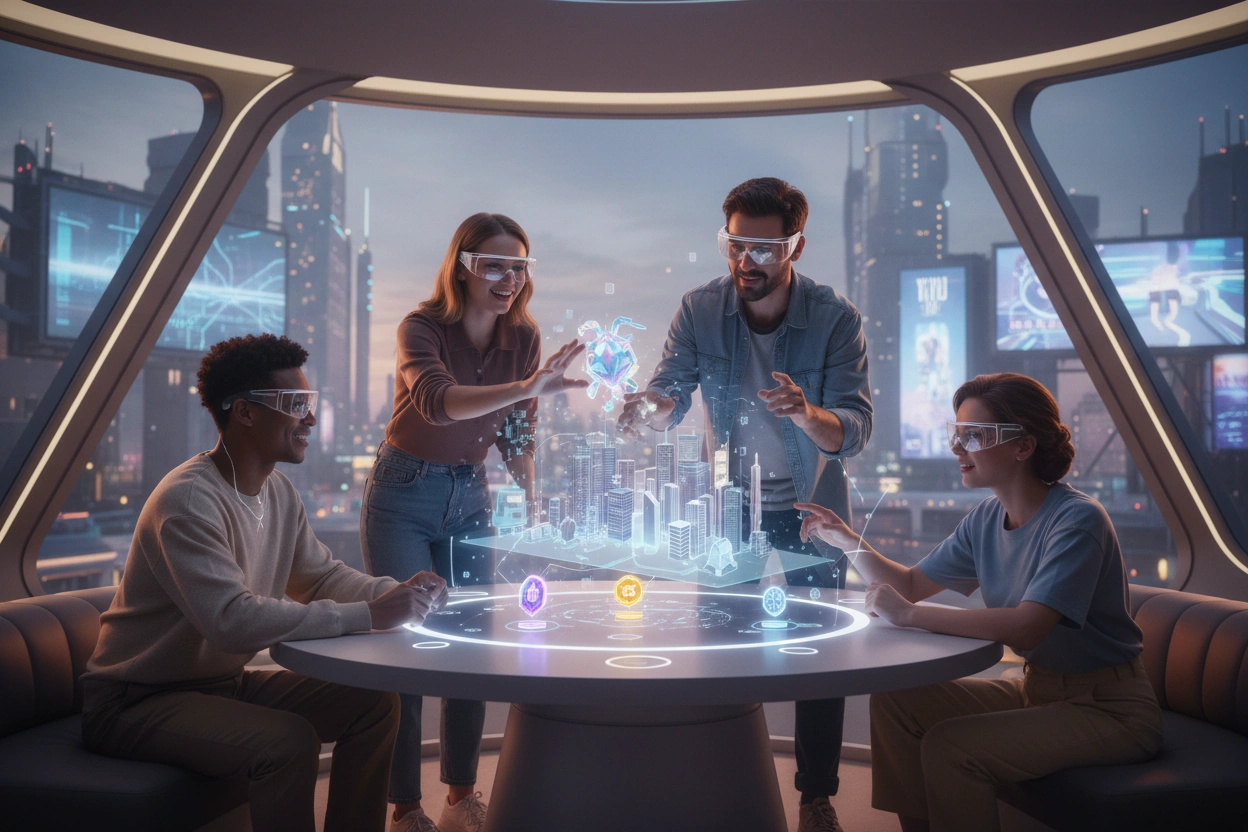
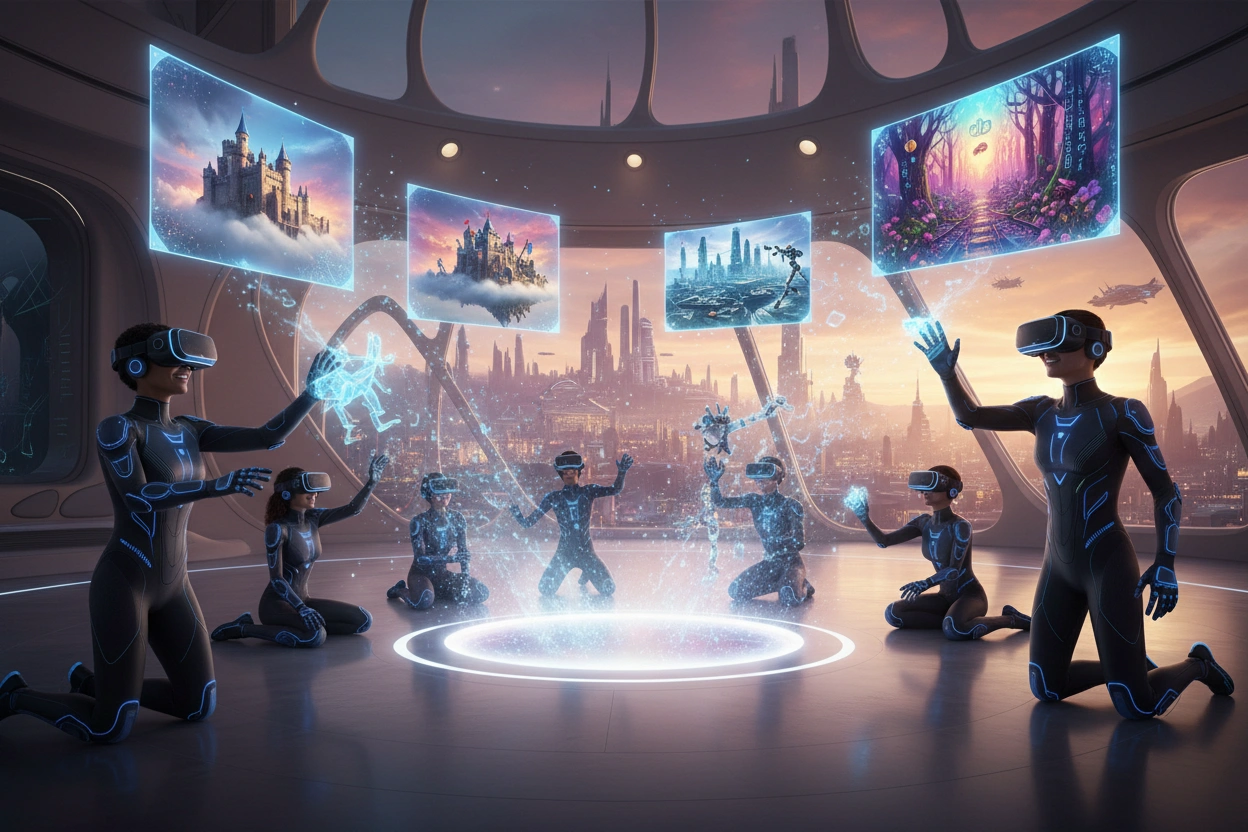
- Virtual reality (VR) and augmented reality (AR) technologies are being integrated into web3 games, providing immersive experiences that strengthen community ties. These technologies enable players to interact in new ways, making gaming more social and engaging.
Sustainable Gaming Practices
- As environmental concerns grow, many blockchain projects are focusing on sustainability. This includes using energy-efficient consensus mechanisms and promoting eco-friendly practices within gaming communities, appealing to environmentally-conscious players.
Community-Driven Content Creation
- User-generated content is on the rise, with communities taking an active role in creating game assets, storylines, and experiences. This trend not only enriches the gaming environment but also strengthens the bond between players and developers. the role of NFT gaming.
Gamified Social Experiences
- Social interactions within games are becoming more gamified, encouraging players to engage in community activities. This can include quests, challenges, and events that promote collaboration and foster a sense of belonging.
Focus on Mental Health and Well-being
- The gaming community is increasingly recognizing the importance of mental health. Games that promote positive social interactions and provide resources for mental well-being are gaining popularity, helping to create supportive environments.
Cross-Platform Accessibility
- Ensuring games are accessible across different platforms is crucial for community growth. Cross-platform play allows friends to connect regardless of their gaming device, fostering inclusivity and expanding the player base.
Enhanced Security Measures
- As web3 gaming matures, so do the security concerns associated with it. Developers are prioritizing the implementation of robust security measures to protect players’ assets and data, building trust within the community.
Building and Sustaining Strong Communities
Strategies for Community Engagement
To build strong gaming communities in the web3 entertainment space, developers and community leaders should consider the following strategies:
Foster Open Communication
- Establish channels for open dialogue between players and developers. This can be achieved through forums, social media, and live events, allowing players to voice their opinions and contribute to the development process.
Create Incentives for Participation
- Reward community members for their contributions, whether through gameplay, content creation, or community support. This can include in-game rewards, recognition in community events, or exclusive access to new features.
Host Regular Events and Tournaments
- Organizing regular community events and tournaments can enhance engagement and camaraderie among players. These events provide opportunities for players to showcase their skills, collaborate, and connect with one another.
Avoiding Common Pitfalls
While building communities, it is essential to avoid common mistakes that can hinder growth and engagement:
Neglecting Player Feedback
- Ignoring player feedback can lead to dissatisfaction and disengagement. Actively solicit and incorporate player input to enhance the gaming experience and foster a sense of ownership.
Overemphasizing Monetization
- Focusing too heavily on monetization can alienate players. Strive to balance profit motives with community interests, ensuring that the gaming experience remains enjoyable and accessible.
Failing to Promote Inclusivity
- Exclusionary practices can fracture communities. Strive to create inclusive environments that welcome players from diverse backgrounds, fostering a sense of belonging for all.
The Future of Web3 Gaming and Entertainment
The Evolution of Player Relationships
As web3 gaming and entertainment continue to evolve, the relationships between players, developers, and communities will undergo significant transformations. Players are no longer passive consumers; they are active participants in the development and governance of their gaming experiences. This shift will lead to more collaborative and innovative gaming environments, where communities can thrive.
The Importance of Education and Awareness
To fully realize the potential of web3 gaming, education and awareness are critical. Developers must educate players about the benefits of what's a blockchain, the importance of community involvement, and how to navigate these new ecosystems. This education will empower players to take an active role in shaping their gaming experiences and communities.
Embracing the Future of Gaming Communities with Outer Edge
As we move deeper into the web3 entertainment era, the opportunities for building strong gaming communities are abundant. The intersection of blockchain technology and gaming offers unprecedented ways to engage players, foster connections, and create lasting experiences. By embracing these trends and strategies, developers can cultivate vibrant communities that thrive on collaboration and creativity.
Outer Edge is dedicated to supporting the evolution of web3 gaming and entertainment. With our expertise and resources, we can help you navigate this exciting landscape, empowering you to build and sustain strong gaming communities. Mohammad Hadhrawi.
To learn more about how you can leverage the potential of web3 gaming and entertainment, visit Outer Edge today. Together, we can shape the future of gaming.



.svg)




.png)


