Creating Immersive Worlds: Virtual Reality in Web3 Gaming
No items found.
Updated on:
December 15, 2025
Creating Immersive Worlds: Virtual Reality in Web3 Gaming
Updated on:
December 15, 2025
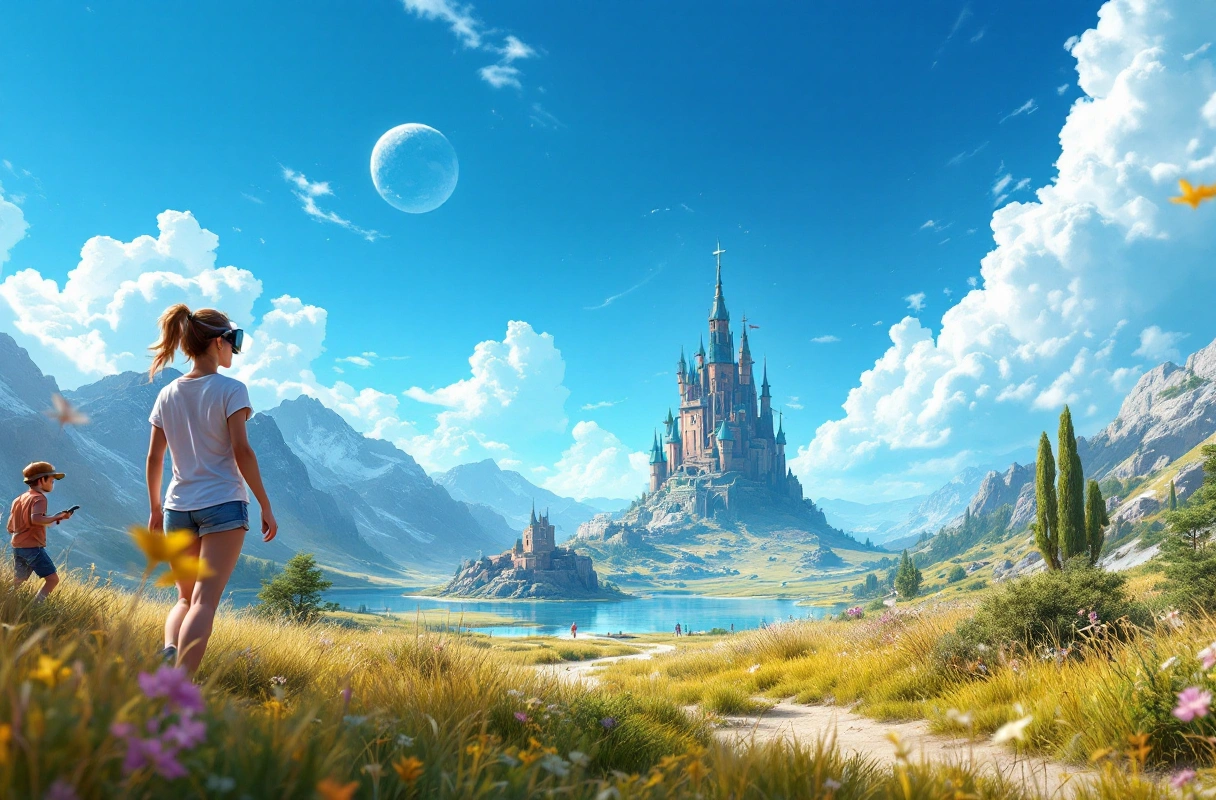
The world of gaming has undergone a remarkable transformation in recent years, driven by technological advancements and the rise of Web3 technologies. As we progress into 2025, the convergence of virtual reality (VR), blockchain, and decentralized gaming has created a new frontier for immersive experiences. We'll discuss the nuances of web3 gaming and entertainment, focusing on how to craft engaging and interactive virtual environments that captivate players and foster thriving gaming communities.
Understanding Web3 Gaming and Entertainment
Web3 gaming and entertainment represent a paradigm shift from traditional gaming models. In this new landscape, players have greater control over their digital assets and can engage in decentralized gaming experiences that leverage blockchain technology. This shift not only enhances player agency but also opens new avenues for monetization and community engagement.
The Role of Blockchain in Gaming
Blockchain technology underpins the decentralized nature of web3 gaming. It allows for transparent ownership of in-game assets, which can take the form of non-fungible tokens (NFTs). These assets are unique, verifiable, and can be traded on various platforms, providing players with real economic value. This creates an ecosystem where players can invest in their gaming experiences, knowing that their assets hold tangible worth.
Immutable ownership records ensure players retain control over their digital items.
Smart contracts facilitate secure transactions, allowing for seamless exchanges between players.
The ability to create and trade NFTs fosters a thriving secondary market.
The Emergence of the Metaverse
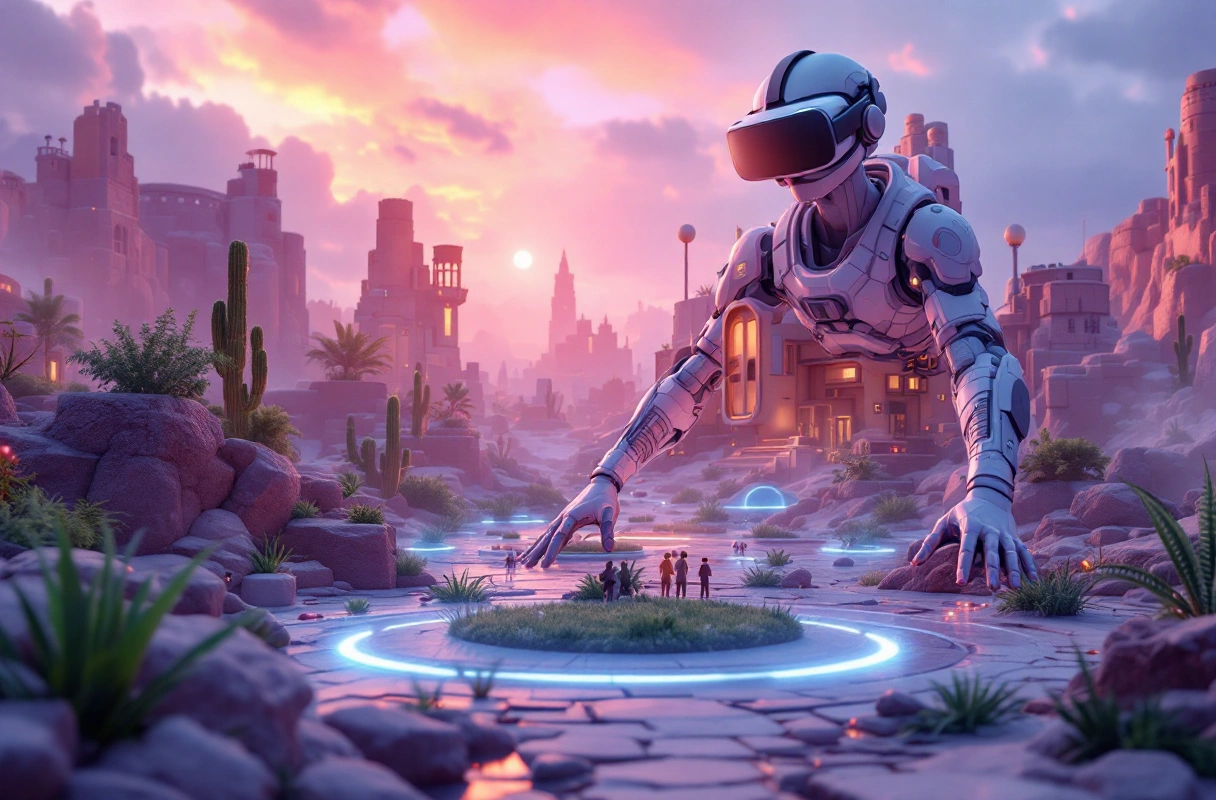
The metaverse serves as the digital canvas for immersive experiences, where players can interact in shared virtual spaces. This interconnected universe allows for the blending of gaming, social interaction, and commerce. As players navigate these environments, they can participate in various activities, from gaming to attending virtual events.
Social interactions within the metaverse enhance player engagement.
Users can create custom avatars and environments, fostering personal expression.
The metaverse serves as a platform for gaming communities to thrive and collaborate.
How to Create Immersive Experiences in Virtual Reality Gaming
Creating immersive experiences in virtual reality gaming requires a thoughtful approach that combines technology, design, and player engagement strategies. Below are several key considerations that can enhance the development of captivating VR environments.
1. Focus on User Experience Design
User experience (UX) is paramount in VR gaming. A well-designed interface can significantly impact how players interact with the environment.
Ensure intuitive navigation to minimize frustration.
Incorporate user feedback to refine gameplay mechanics.
Design for comfort to prevent motion sickness, which can detract from the experience.
2. Leverage Realistic Graphics and Sound
The visual and auditory elements of a game play a crucial role in immersion. High-quality graphics and sound design can transport players into the virtual world.
Use advanced rendering techniques to create lifelike environments.
Implement spatial audio to enhance realism and spatial awareness.
Regularly update assets to keep the game visually appealing and relevant.
3. Enable Social Interactions
Building a community around a game can enhance player engagement and retention. Social interactions can take various forms, from cooperative gameplay to in-game events.
Implement features that allow players to communicate and collaborate.
Host virtual events and tournaments to foster community spirit.
Encourage user-generated content to create a dynamic gaming environment.
4. Integrate Blockchain Mechanics
Incorporating blockchain mechanics into VR games can enhance the overall experience by allowing players to earn and trade assets.
Create a play-to-earn model where players can earn rewards for their achievements.
Facilitate the trading of NFTs within the game to boost player investment.
Utilize decentralized governance models to give players a voice in game development decisions.
5. Encourage Exploration and Discovery
Players are more likely to engage with a game that rewards exploration and discovery. Incorporating elements that encourage players to uncover hidden secrets or complete challenging quests can enhance immersion.
Design sprawling environments with hidden areas and lore to uncover.
Offer incentives for players to explore, such as unique items or experiences.
Create dynamic world events that change the landscape and encourage player interaction.
Common Misconceptions in Web3 Gaming
As web3 gaming continues to gain traction, several misconceptions persist that can hinder understanding and adoption. Addressing these misconceptions is vital for fostering a healthy gaming ecosystem.
Misconception 1: Web3 Gaming is Just About Crypto
While cryptocurrency plays a role in web3 gaming, the focus extends beyond financial transactions. The core principles of decentralization, community engagement, and player ownership are fundamental to the experience.
Misconception 2: All NFTs are the Same
Not all NFTs carry the same value or utility. In the context of gaming, NFTs can represent a variety of assets, including characters, skins, and in-game items. Understanding the specific use case of an NFT is crucial for players and developers alike.
Misconception 3: Virtual Reality Gaming is Too Expensive
While high-end VR setups can be costly, the landscape is evolving. With advancements in technology, more affordable options are becoming available, making VR gaming accessible to a broader audience.
Building Thriving Gaming Communities
Community is at the heart of web3 gaming and entertainment. A strong community can enhance player retention, promote user-generated content, and facilitate organic growth. Here are some strategies to foster a vibrant gaming community.
1. Encourage Player Feedback
Soliciting feedback from players can provide valuable insights into their experiences and preferences. Regularly engage with the community to understand their needs and expectations.
2. Host Community Events
Organizing events, such as tournaments or in-game celebrations, can bring players together and strengthen community bonds. These events can also serve as a platform for showcasing new features or content.
3. Leverage Social Media Platforms
Utilizing social media channels to communicate with players can enhance community engagement. Regular updates, behind-the-scenes content, and interactive posts can keep players informed and excited.
The Future of Web3 Gaming and Entertainment
As we move further into 2025, the potential for web3 gaming and entertainment continues to expand. The integration of emerging technologies, such as artificial intelligence and augmented reality, promises to further enhance immersive experiences.
Trends to Watch
The rise of cross-platform gaming will allow players to interact across different devices and ecosystems.
Enhanced AI capabilities will create more responsive and adaptive game environments.
The blending of virtual reality and augmented reality will provide players with hybrid experiences that merge the physical and digital realms.
The Intersection of Virtual Reality and Web3 Gaming
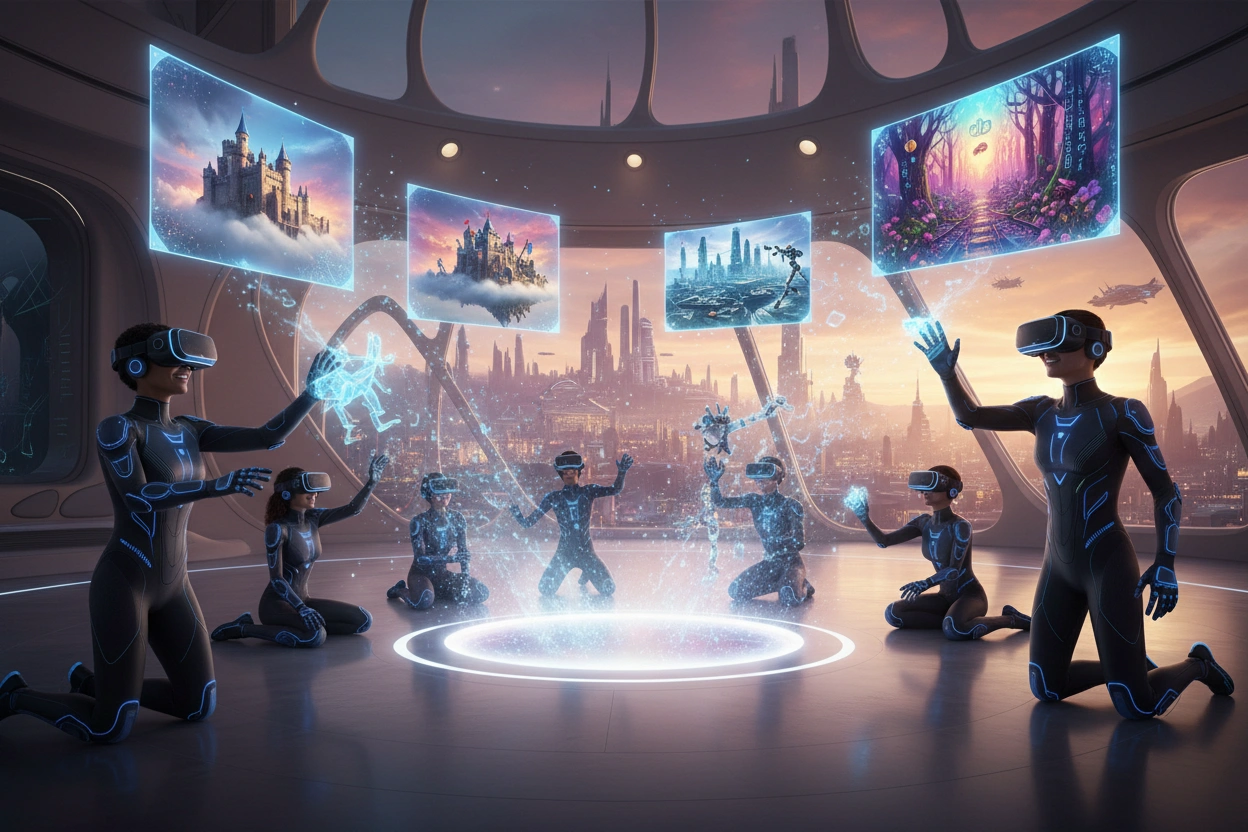
The convergence of virtual reality and web3 gaming is redefining what’s possible in interactive entertainment. By combining VR immersion with blockchain-enabled ownership and community-driven ecosystems, creators can build richer, more meaningful digital experiences. As this space continues to expand, entrepreneurs, developers, and innovators will find no shortage of opportunities to shape the next generation of gaming.
At Outer Edge, we’re immersed in the gatherings, conversations, and creative spaces where the future of web3 entertainment is being built. If you're exploring how VR and blockchain can elevate your projects, we’d love to connect. Join us at one of the global experiences we host, document, or simply vibe in—and discover how Outer Edge can help you bring tomorrow’s immersive worlds to life.
Subscribe to Edge Of Weekly
Join more than 40k+ investors, dreamers, builders & experts in getting exclusive weekly content and access to the top 1% of Web3, Blockchain, and AI globally!




.svg)




.png)


