Comparing Fandom Tokens: Supporter Experience vs. Investor Mindset
No items found.
Updated on:
January 18, 2026
Comparing Fandom Tokens: Supporter Experience vs. Investor Mindset
Updated on:
January 18, 2026
The emergence of tokenized fandom has introduced innovative ways for fans to connect with their favorite franchises, yet it also blurs the lines between traditional fan experiences and investment opportunities. This article explores the dynamics of tokenized fandom, examining how different perspectives on fan engagement and investment shape the community experience.
The Evolution of Fandom in the Digital Age
The concept of fandom has significantly transformed over the decades, particularly with the advent of the internet and social media. Historically, fandom was often localized, with communities forming around shared interests in specific media, such as television shows, movies, or music. These communities thrived on fan clubs, conventions, and physical merchandise. However, the rise of digital platforms has reshaped how fans interact, leading to the emergence of global communities that transcend geographical boundaries.
Tokenized fandom represents a natural progression in this evolution. Digital collectibles, particularly those powered by blockchain technology, have created new avenues for fans to express their loyalty and investment in their favorite franchises. These collectibles, often in the form of non-fungible tokens (NFTs), enable fans to own unique digital assets that can signify their dedication. The appeal of tokenized fandom lies not just in ownership but in the ability to engage more deeply with the content and the community around it.
Understanding Fan Ownership Models
As fandom evolves, so do the models through which fans can express their ownership and engagement. There are several types of fan ownership models currently in practice:
Traditional Merchandise Ownership: Fans purchase physical items that symbolize their connection to a franchise, such as action figures or apparel.
Digital Collectibles: Fans can buy, sell, and trade digital assets, including NFTs, that represent unique ownership of digital art, music, or video clips.
Community-Driven Initiatives: Some franchises allow fans to participate in decision-making processes, such as voting on story arcs or merchandise designs, fostering a deeper sense of ownership.
These ownership models significantly impact fan experiences. For instance, the ability to buy a digital collectible can create a sense of pride and exclusivity, while community-driven initiatives may enhance engagement by making fans feel like they have a stake in the franchise's direction. However, the challenge lies in ensuring that these models cater to a broad spectrum of fans, from casual enthusiasts to dedicated investors.
Balancing Supporter Experience and Investor Mindset
The tension between fandom and investment is a critical consideration for franchises exploring tokenized fandom. On one hand, fans crave authentic experiences that foster connection and community. On the other, the rise of NFTs and tokenization can entice fans to view their engagement as a financial investment. This duality presents challenges for brands seeking to maintain a supportive atmosphere while also accommodating the interests of those viewing fandom through an investment lens.
Catering to both audiences requires a nuanced approach to fan engagement strategies. Brands might consider the following tactics:
Tiered Engagement Levels: Offering different levels of participation can help accommodate varying interests. For example, casual fans might enjoy access to exclusive content, while more invested fans could participate in governance decisions or gain access to limited-edition collectibles.
Transparent Communication: Educating fans about the purpose and value of tokenized assets can mitigate concerns about financial speculation overshadowing genuine fan engagement. Clear messaging helps establish the intent behind tokenization, whether for community building or investment.
Fostering Community: Encouraging interactions among fans through forums, events, and collaborations can strengthen community ties, making it less likely that investment perspectives will dominate.
Challenges of Tokenized Fandom
While tokenized fandom holds promise, it also presents potential pitfalls that can alienate fans. One significant concern is the risk of turning fans into investors, which can undermine the intrinsic joy of fandom. When the primary focus shifts to financial gains, the essence of what makes a community enjoyable can be lost. Fans may feel pressured to invest heavily to remain relevant, which can create barriers to entry for more casual supporters.
Exclusivity and accessibility are critical issues in this context. If tokenized assets become prohibitively expensive, many fans may find themselves excluded from the community they love. This can lead to a divided fanbase, where only those with substantial financial means can participate meaningfully. Brands must navigate these challenges carefully to ensure that tokenized fandom remains inclusive and engaging for all.
The Future of Tokenized Fandom and Community Building
Looking ahead, the evolution of fandom and community building is likely to be shaped significantly by technological advancements. As blockchain technology continues to mature, its applications in entertainment will expand, potentially leading to more innovative and engaging fan experiences. Predictions for the future of tokenized fandom include:
Enhanced Interactivity: Fans may experience more interactive content, allowing them to influence narratives and character arcs directly through their tokens.
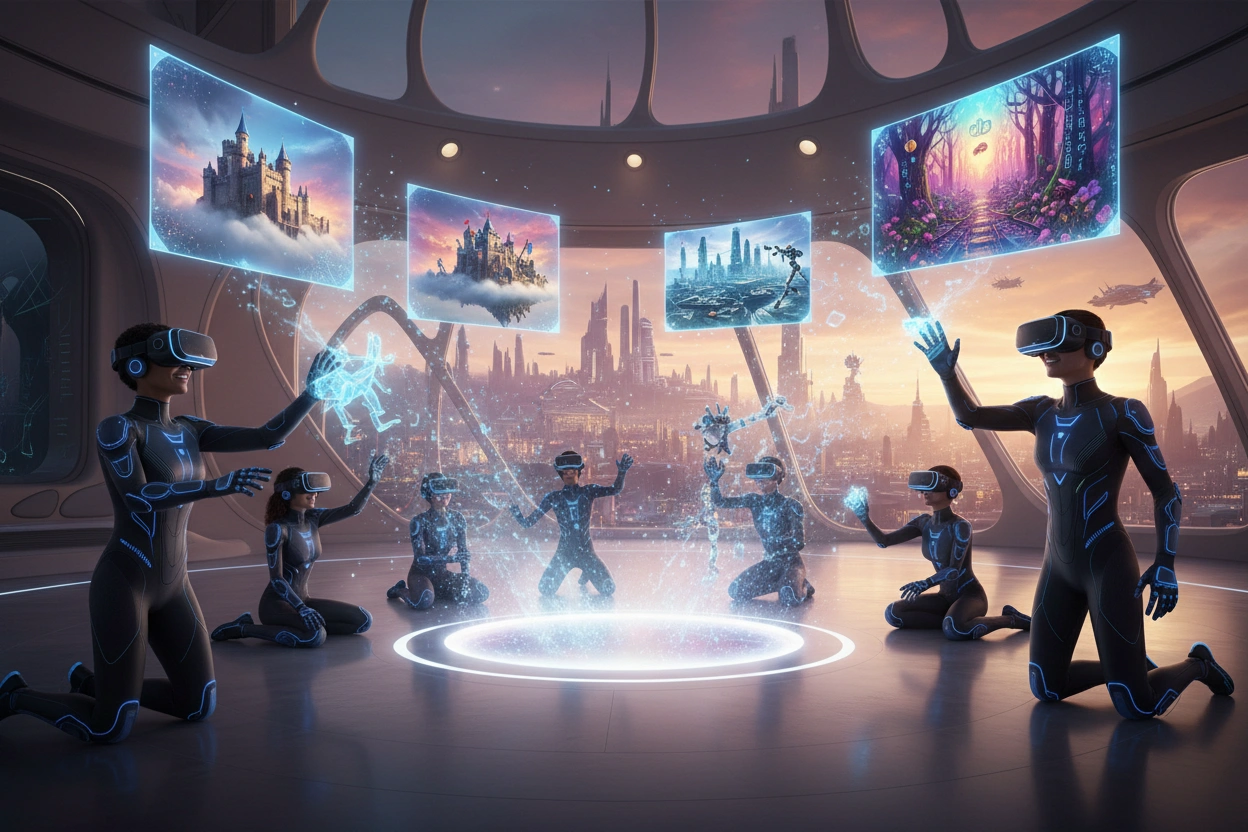
Augmented Reality Integration: The integration of augmented reality could enable fans to engage with their favorite franchises in immersive environments, further bridging the gap between digital and physical experiences.
Decentralized Fan Governance: Future models may empower fans to take part in governance decisions more directly, allowing for a democratic approach to content creation and community direction.
The role of technology in shaping fan experiences cannot be overstated. As new tools and platforms emerge, they will offer fresh opportunities for fans to connect, collaborate, and create within their communities. By embracing these advancements, brands can cultivate a vibrant and inclusive fandom that balances supporter experiences with investment interests.
When Community Comes Before Capital in Tokenized Fandom
Tokenized communities challenge brands to rethink the relationship between fandom and financial participation. While digital assets can introduce new forms of value and engagement, the heart of fandom has always been shared identity, access, and experience—not speculation. The real opportunity lies in designing systems that respect fans as participants first, while allowing optional economic layers to enhance, rather than distort, the community dynamic.
At Outer Edge, we spend time where culture, technology, and community intersect—through global gatherings, creative media, and conversations with teams experimenting beyond investor-first models. If you’re exploring how to build tokenized communities that prioritize connection without losing authenticity, come connect with us and expand your perspective on how fandom can evolve without losing its soul.
Subscribe to Edge Of Weekly
Join more than 40k+ investors, dreamers, builders & experts in getting exclusive weekly content and access to the top 1% of Web3, Blockchain, and AI globally!




.svg)





.png)


