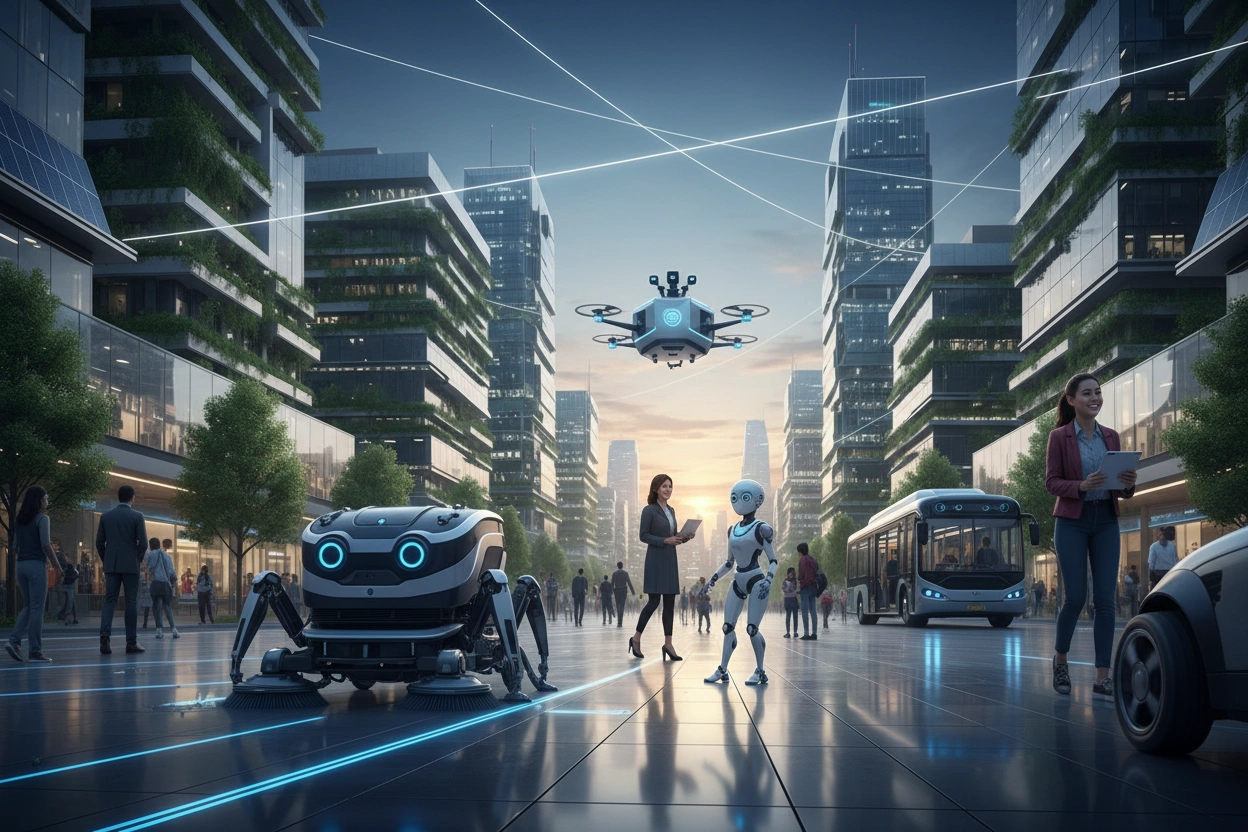
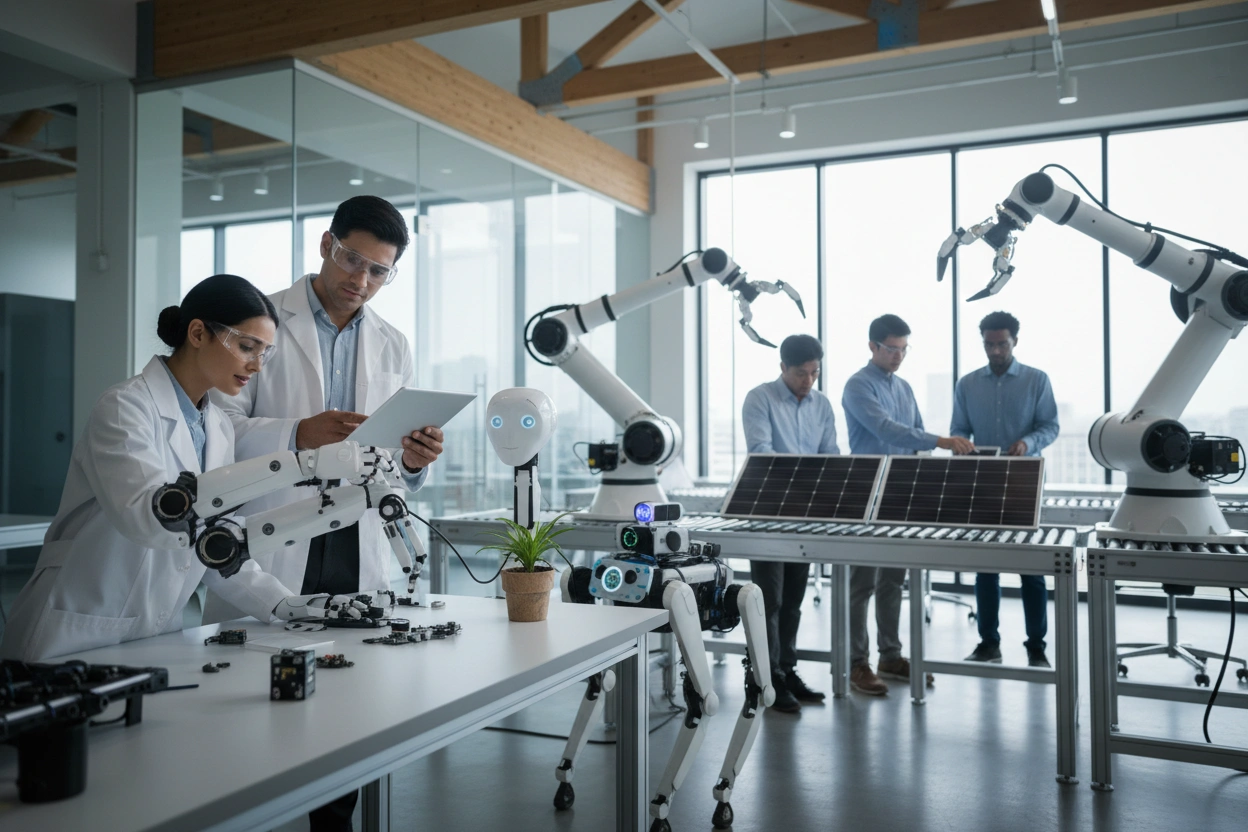
As we progress further into the 21st century, the integration of technology into our urban environments has become increasingly sophisticated. AI robotics is at the forefront of this evolution, significantly enhancing the quality of life in smart cities. From traffic management to waste disposal, AI robotics applications are reshaping how urban spaces operate, making them more efficient, sustainable, and user-friendly. This article delves into the top trends in AI robotics for 2026 and explores how these innovations are transforming our cities.
Understanding AI Robotics in Smart Cities
AI robotics combines artificial intelligence with robotics to create machines capable of performing tasks that traditionally require human intelligence. In the context of smart cities, these technologies are deployed to solve complex urban challenges, improve service delivery, and enhance the overall living experience for residents. The future of AI robotics holds tremendous potential, with applications ranging from autonomous vehicles to smart infrastructure management.
The Role of AI Robotics in Urban Infrastructure
Urban infrastructure is the backbone of any city, and AI robotics plays a crucial role in its management. Smart cities leverage AI robotics to monitor and maintain essential services, ensuring they operate efficiently.
Surveillance and Security: AI-powered drones and robots are increasingly used for surveillance, enhancing public safety. These systems can monitor large areas, detect anomalies, and alert authorities in real-time.
Infrastructure Maintenance: Robotics equipped with AI can assess the condition of bridges, roads, and buildings. They can perform routine inspections and identify maintenance needs before they become critical, thereby reducing downtime and repair costs.
Enhancing Public Services through AI Robotics
Public services are a vital component of urban life, and AI robotics is enhancing their delivery in several ways.
Waste Management: Smart waste bins equipped with sensors can monitor fill levels and optimize collection routes. This reduces fuel consumption and ensures efficient waste disposal.
Public Transport: Autonomous buses and shuttles are being integrated into public transport systems, providing seamless connectivity. These vehicles can adapt to traffic conditions and passenger demand, improving service efficiency.
Top Trends in AI Robotics for 2026
As we look ahead, several trends are emerging in the field of AI robotics that will further influence smart city development. These trends reflect the growing capabilities of technology and the increasing need for sustainable urban solutions.
1. Autonomous Delivery Robots
The rise of e-commerce has led to a surge in demand for efficient delivery systems. Autonomous delivery robots are now being deployed in urban areas to transport goods directly to consumers. These robots can navigate sidewalks, cross streets, and even interact with pedestrians.
Efficiency Gains: By using AI algorithms, these robots can optimize delivery routes, reducing delivery times and costs.
Environmental Impact: Many delivery robots are electric, contributing to lower carbon emissions compared to traditional delivery vehicles.
2. AI-Driven Traffic Management Systems
Traffic congestion remains a significant issue in urban areas. AI robotics is being utilized to develop smart traffic management systems that adapt to real-time traffic conditions.
Adaptive Traffic Signals: These systems use AI to analyze traffic patterns and adjust signal timings accordingly, reducing congestion and improving flow.
Incident Detection: AI can quickly identify accidents or disruptions on the road and communicate with drivers, emergency services, and traffic management centers. financial technology is being integrated into these systems to enhance their effectiveness.
3. Smart Energy Management
Energy consumption is a critical factor in urban sustainability. AI robotics is being employed to manage energy use in smart buildings and city infrastructures.
Smart Grids: AI robotics can optimize energy distribution, ensuring that supply meets demand efficiently. These systems can also incorporate renewable energy sources, enhancing sustainability.
Energy Monitoring: Robotics can monitor energy usage in real-time, helping residents and businesses identify areas for improvement and reduce waste.
4. Urban Farming Robotics
With the increasing focus on sustainability and food security, urban farming is gaining traction. AI robotics is playing a pivotal role in this movement.
Automated Farming Systems: Robotics can manage planting, watering, and harvesting, allowing for efficient food production in urban settings.
Resource Optimization: These systems can optimize water and nutrient use, reducing waste and promoting sustainable agriculture.
5. AI-Powered Disaster Response
Natural disasters pose significant challenges to urban areas. AI robotics is enhancing disaster preparedness and response capabilities. reshaping consumer experiences is one of the many benefits of these technologies.
Search and Rescue Operations: Drones and robots equipped with AI can be deployed to locate survivors in disaster-stricken areas, providing critical assistance to emergency responders.
Infrastructure Assessment: After a disaster, AI robotics can quickly assess damage to infrastructure, helping city planners prioritize recovery efforts.
Addressing Common Misconceptions about AI Robotics
Despite the promising advancements in AI robotics, there are several misconceptions that can hinder their acceptance and implementation in smart cities.
Misconception 1: AI Robotics Will Replace Human Jobs
One of the most prevalent myths surrounding AI robotics is the belief that these technologies will lead to widespread job loss. While it is true that automation can displace certain jobs, it is essential to recognize that AI robotics will also create new roles that require human oversight, management, and creativity.
- Job Creation: The development, maintenance, and supervision of AI robotic systems will necessitate a skilled workforce, leading to new job opportunities in technology and engineering.
Misconception 2: AI Robotics Are Too Expensive for Implementation
Another common misconception is that AI robotics are prohibitively expensive for city budgets. While initial investments can be significant, the long-term savings and efficiency gains often outweigh these costs.
- Cost-Benefit Analysis: Cities that invest in AI robotics often see reductions in operational costs, maintenance expenses, and improved service delivery, which can lead to substantial savings over time.
The Future of AI Robotics in Smart Cities
Looking ahead, the future of AI robotics in smart cities is bright. As technology continues to advance, we can expect even more innovative applications that address urban challenges. The integration of AI robotics will likely lead to more connected, efficient, and sustainable urban environments.
Key Considerations for Implementation
For cities to effectively implement AI robotics, several key considerations must be addressed:
Public Acceptance: Engaging with the community to educate residents about the benefits of AI robotics is crucial. Transparency in operations and addressing concerns can help build trust.
Regulatory Framework: Establishing clear regulations around the use of AI robotics can ensure safety and accountability. Policymakers must work closely with technology providers to create effective guidelines.
Collaboration: Partnerships between public and private sectors can facilitate the development and deployment of AI robotics. Networking opportunities can leverage expertise, resources, and funding.
Embracing the Future of AI Robotics with Outer Edge
The integration of AI robotics into smart city living is not just a trend; it represents a fundamental shift in how urban environments will operate in the coming years. As we explore the potential of these technologies, it is clear that they hold the key to addressing many of the challenges faced by modern cities. Outer Edge is committed to helping urban planners, government officials, and community leaders navigate this transformative landscape.
By leveraging AI robotics, cities can enhance operational efficiency, improve public services, and create sustainable environments for their residents. As technology continues to evolve, staying informed and engaged is crucial for maximizing the benefits of these innovations.
If you want to learn more about how AI robotics can enhance your urban living experience, visit Outer Edge for insightful resources and expert guidance on implementing these transformative technologies in your city.