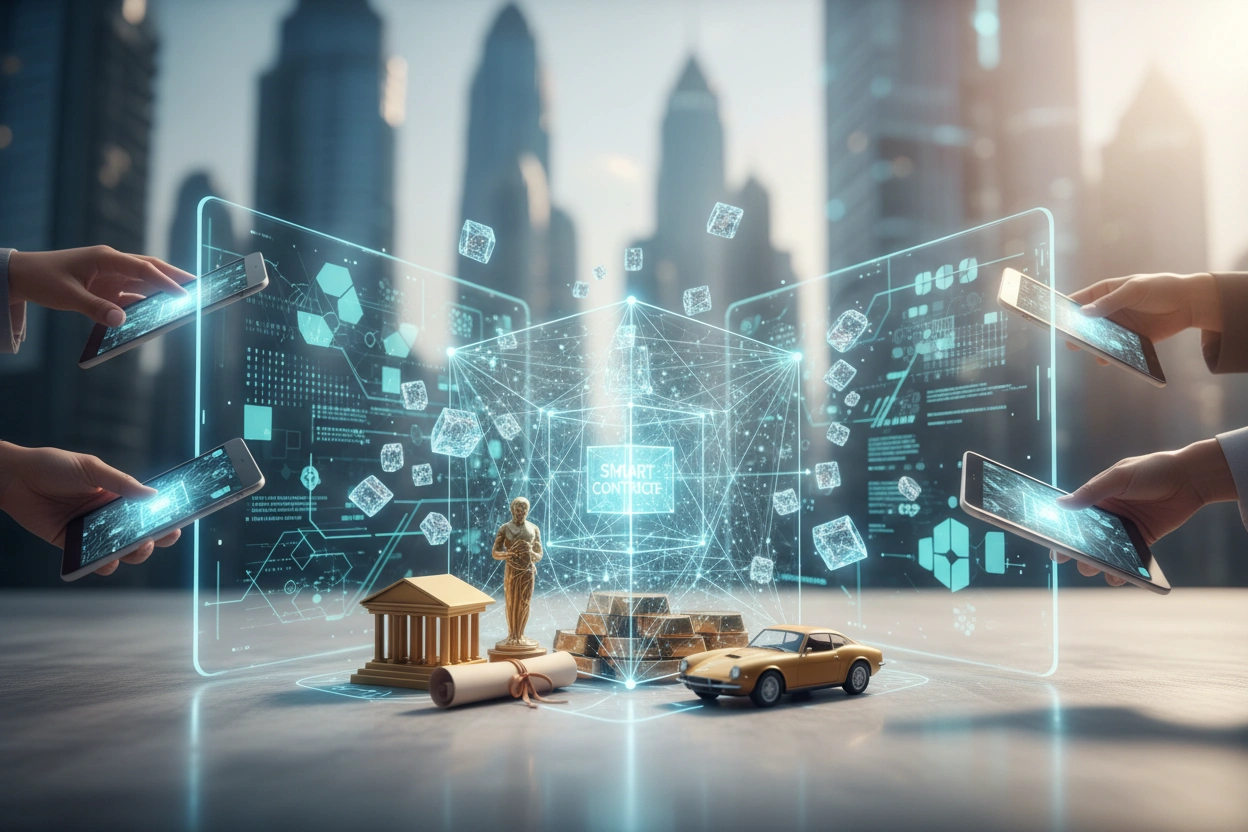
The landscape of finance and investment is undergoing a profound transformation, driven by the emergence of blockchain technology and smart contracts. One of the most exciting developments in this realm is the tokenization of real world assets. This process involves converting tangible assets, such as real estate, art, and commodities, into digital tokens that can be easily traded on blockchain platforms. As of 2026, this innovative approach not only enhances liquidity and accessibility but also paves the way for new investment opportunities in the Web3 ecosystem.
In this article, we will explore the intricacies of how smart contracts facilitate the tokenization of real world assets, the role of blockchain technology in this process, and the potential implications for investors and industries alike. We will also address common misconceptions surrounding tokenization and provide actionable insights for those looking to navigate this evolving landscape.
Understanding Tokenization of Real World Assets
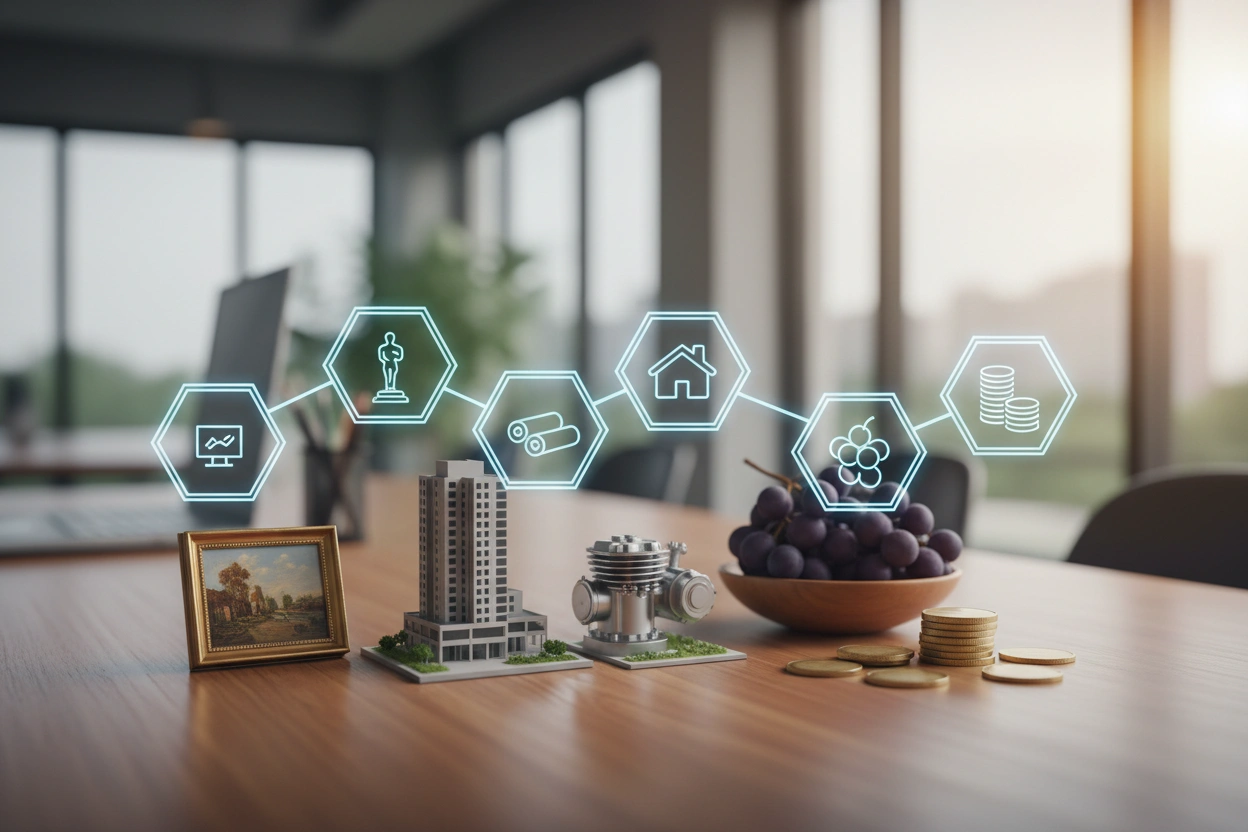
Tokenization refers to the process of creating a digital representation of a physical asset on a blockchain. This digital representation, known as a token, encapsulates the ownership rights and value of the asset. Tokenization can apply to a wide range of assets, including:
- Real estate properties
- Artwork and collectibles
- Financial instruments like stocks and bonds
- Commodities such as gold and silver
Benefits of Tokenization
The tokenization of real world assets offers several key benefits that are reshaping investment paradigms:
Increased Liquidity: By converting assets into tokens, investors can trade them on secondary markets, allowing for quicker and more efficient transactions. This is particularly beneficial for traditionally illiquid assets like real estate.
Fractional Ownership: Tokenization enables fractional ownership of assets, allowing multiple investors to own a portion of a high-value asset. This democratizes access to investment opportunities that were previously reserved for wealthy individuals or institutions.
Transparency and Security: Blockchain technology enhances transparency by providing an immutable ledger of ownership and transaction history. This reduces the risk of fraud and increases trust among participants.
Common Misconceptions About Tokenization
Despite its advantages, there are several misconceptions about tokenization that can deter potential investors:
Misconception 1: Tokenization is only for cryptocurrencies. In reality, tokenization can apply to various asset classes, expanding beyond digital currencies.
Misconception 2: Tokenized assets are not regulated. While the regulatory landscape is evolving, many jurisdictions are developing frameworks to govern tokenized assets, ensuring compliance and protection for investors. opportunistic, unconstitutional assault on cryptocurrency.
Misconception 3: Tokenization is too complex for average investors. With the right platforms and education, individuals can easily engage in tokenized investments without needing extensive technical knowledge.
The Role of Blockchain in Asset Tokenization Explained
Blockchain technology serves as the backbone for the tokenization of real world assets. Its decentralized and transparent nature provides several critical functionalities that enhance the tokenization process.
Immutable Ledger
One of the core features of blockchain is its immutable ledger, which records all transactions in a way that cannot be altered or deleted. This characteristic is crucial for the tokenization of real world assets as it:
- Ensures that ownership records are accurate and tamper-proof
- Facilitates trust among parties involved in the transaction
- Provides a clear audit trail for regulatory compliance
Smart Contracts: Automating Transactions
Smart contracts are self-executing contracts with the terms of the agreement directly written into code. They play a pivotal role in the tokenization process by automating various functions, including:
Ownership Transfer: Smart contracts can automatically transfer token ownership when a transaction occurs, reducing the need for intermediaries and expediting the process.
Payment Processing: They can facilitate instant payments and ensure that funds are distributed correctly, minimizing the risk of disputes.
Compliance Checks: Smart contracts can include built-in compliance mechanisms to verify that all parties meet regulatory requirements before a transaction is executed.
Enhanced Security
Blockchain’s security features, such as cryptographic hashing, ensure that transactions are secure and resistant to hacking. This is particularly important in the tokenization of real world assets, as security breaches could undermine trust and lead to significant financial losses.
Exploring Web3 Investment Opportunities
As the tokenization of real world assets continues to gain traction, investors are increasingly looking toward Web3 investment opportunities. Web3 represents the next generation of the internet, characterized by decentralization, user ownership, and enhanced privacy.
Key Characteristics of Web3 Investments
Decentralization: Unlike traditional investment platforms, Web3 enables peer-to-peer transactions without intermediaries, fostering a more equitable investment landscape.
User Empowerment: Investors have greater control over their assets and data, allowing for more personalized investment strategies.
Interoperability: Web3 platforms are designed to work seamlessly with one another, enabling investors to diversify their portfolios across multiple tokenized assets.
Strategies for Investing in Tokenized Assets
Investors interested in tokenization should consider the following strategies:
Research the Asset Class: Understanding the underlying asset is crucial. Whether it's real estate, art, or another asset class, thorough research helps in assessing potential risks and rewards.
Evaluate the Platform: Choose a reputable platform for trading tokenized assets. Look for platforms that prioritize security, regulatory compliance, and user-friendly interfaces.
Diversify Your Portfolio: Just like traditional investments, diversification can mitigate risk. Consider investing in a range of tokenized assets to spread exposure.
Stay Informed: The tokenization landscape is rapidly evolving. Keep abreast of industry trends, regulatory changes, and technological advancements to make informed investment decisions.
Addressing Common Mistakes in Tokenization
Investing in tokenized real world assets presents unique challenges. Here are common mistakes to avoid:
Neglecting Due Diligence: Failing to conduct thorough research can lead to poor investment choices. Always investigate the asset, the tokenization process, and the platform.
Ignoring Regulatory Compliance: Ensure that the tokenized assets comply with local regulations to avoid legal repercussions.
Overlooking Security Measures: Prioritize platforms with robust security protocols to protect your investments from potential threats.
The Future of Tokenization in Real World Assets
As we look ahead, the tokenization of real world assets is poised to revolutionize various industries. Several trends are emerging that will shape this future:
Increased Adoption by Institutions
Institutional investors are beginning to recognize the potential of tokenized assets. As more traditional financial institutions enter the space, the credibility and acceptance of tokenization will grow, attracting a broader range of investors.
Integration with DeFi
The integration of tokenized assets with decentralized finance (DeFi) platforms is likely to create new financial products and services, further enhancing liquidity and accessibility for investors. issue a token “on top of” Ethereum.
Enhanced Regulatory Frameworks
As the market matures, regulators will likely establish clearer guidelines for tokenized assets, fostering an environment of trust and security for investors.
Harnessing the Power of Smart Contracts and Tokenization
The intersection of smart contracts and the tokenization of real world assets represents a paradigm shift in how we perceive ownership and investment. By leveraging blockchain technology, investors can access a world of opportunities that were previously unattainable.
How Outer Edge Can Help
At Outer Edge, we understand the complexities of navigating the tokenization landscape. We provide resources and insights that empower investors to make informed decisions in this rapidly evolving environment. With a focus on education and accessibility, we aim to bridge the gap between traditional investments and innovative tokenized solutions.
To learn more about how you can leverage the tokenization of real world assets for your investment portfolio, contact Outer Edge today. Our team is here to guide you through the exciting possibilities that this new frontier has to offer.




.svg)






.png)


