The digital revolution has significantly altered how we think about ownership, value, and transactions. One of the most transformative innovations within this landscape is the tokenization of real world assets. By converting physical assets into digital tokens on a blockchain, businesses and individuals can streamline processes, enhance liquidity, and reduce costs. This article delves into the mechanics of tokenization, the role of smart contracts, and the top benefits of this emerging trend.
Understanding Tokenization and Smart Contracts
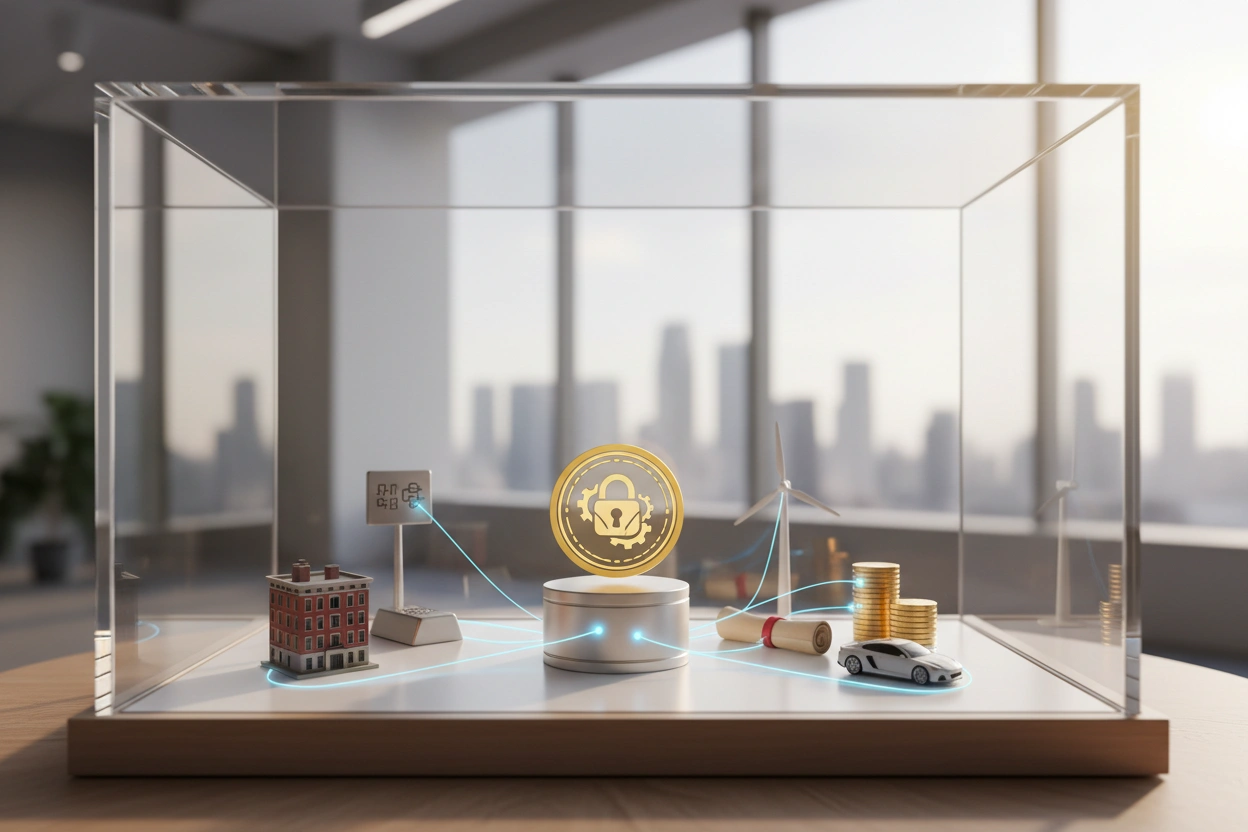
Tokenization refers to the process of converting rights to an asset into a digital token on a blockchain. This can include anything from real estate and art to stocks and commodities. Smart contracts are self-executing contracts with the terms of the agreement directly written into code. They run on blockchain technology, enabling secure, automated transactions without the need for intermediaries.
The Mechanics of Tokenization
Tokenization works by creating a digital representation of an asset. This representation can be fractional, allowing multiple investors to own a piece of a high-value asset. For example, a piece of real estate worth $1 million could be tokenized into 1,000 tokens, each representing a $1,000 share of ownership. This process not only democratizes investment but also enhances liquidity, allowing assets to be traded more easily on various platforms.
The Role of Smart Contracts in Tokenization
Smart contracts play a pivotal role in the tokenization of real world assets by automating and securing transactions. Once a token is created, a smart contract governs its lifecycle, dictating how it can be transferred, what conditions must be met for transactions to occur, and how ownership is recorded on the blockchain. This eliminates the need for traditional paperwork and intermediaries, reducing the time and costs associated with asset transfers.
Top 5 Benefits of Tokenizing Real World Assets
The tokenization of real world assets offers numerous advantages that can transform industries and create new opportunities for investors. Below are the top five benefits:
Increased Liquidity
- Tokenization allows for fractional ownership, making it easier for investors to buy and sell portions of high-value assets. This increased liquidity can attract more investors and lead to faster transactions.
Enhanced Accessibility
- By lowering the barrier to entry, tokenization democratizes access to various asset classes. Individuals who may not have been able to invest in real estate or art can now participate through tokenized shares.
Cost Reduction
- The use of smart contracts minimizes the need for intermediaries, which can significantly reduce transaction fees. This cost efficiency is particularly beneficial in industries traditionally burdened by high transaction costs.
Improved Transparency
- Blockchain technology provides a transparent ledger of all transactions. This transparency fosters trust among stakeholders, as all parties can verify ownership and transaction history without ambiguity.
Streamlined Processes
- Smart contracts automate various aspects of asset management, from compliance checks to payment processing. This automation not only speeds up transactions but also reduces the potential for human error.
Exploring Each Benefit in Detail
Increased Liquidity
Liquidity is crucial for any investment. Tokenization enhances liquidity by allowing assets to be divided into smaller, tradable units. For instance, a luxury car valued at $200,000 can be tokenized into 200 tokens, each worth $1,000. This fractional ownership allows more investors to participate in the market, creating a dynamic trading environment where assets can be bought and sold quickly.
Enhanced Accessibility
Tokenization opens doors for a broader range of investors. Traditionally, investments in real estate or fine art required significant capital. However, with the tokenization of real world assets, investors can purchase smaller stakes, making these markets accessible to a wider audience. This shift not only benefits individual investors but also enhances market participation, leading to more robust economic activity.
Cost Reduction
The traditional process of buying and selling assets often involves a myriad of fees, including broker commissions, legal fees, and administrative costs. With the implementation of smart contracts, many of these intermediaries can be eliminated. As a result, the overall cost of transactions decreases, allowing investors to retain more of their profits. This efficiency is particularly advantageous in real estate transactions, where costs can be substantial.
Improved Transparency
Blockchain technology ensures that all transactions are recorded on a public ledger, which can be accessed by all stakeholders. This transparency is vital for building trust, especially in markets where fraud and misrepresentation have been issues. Investors can verify the authenticity of assets and track ownership history, which enhances confidence in the investment process.
Streamlined Processes
Smart contracts automate many traditional processes involved in asset management. For example, they can automatically execute payments upon meeting specific conditions, such as the completion of a property sale. This automation not only speeds up transactions but also reduces the potential for disputes, as the terms are clearly defined and executed without ambiguity.
Common Misconceptions About Tokenization
Despite its potential, the tokenization of real world assets is often misunderstood. Here are a few common misconceptions:
Misconception 1: Tokenization is Only for Cryptocurrencies
While tokenization is frequently associated with cryptocurrencies, it extends far beyond this realm. It encompasses a wide variety of asset classes, including real estate, art, and commodities. The versatility of tokenization allows it to be applied in various industries, enabling a broader range of investment opportunities.
Misconception 2: Tokenization Eliminates All Risks
While tokenization can enhance liquidity and transparency, it does not eliminate risks associated with investing. Investors must still conduct due diligence and understand the market dynamics. Tokenized assets can still be subject to market volatility and regulatory changes, necessitating careful consideration before investing.
Misconception 3: Smart Contracts are Infallible
Smart contracts are automated and execute transactions based on predefined conditions. However, they are not immune to errors. If the underlying code contains flaws or if external data feeds are compromised, it can lead to unintended consequences. Investors should be aware of these risks and ensure proper audits are conducted on smart contracts before use.
The Future of Tokenization in Various Industries
The tokenization of real world assets is poised to revolutionize multiple industries, including real estate, finance, and art. As regulatory frameworks evolve and technology matures, we can expect to see increased adoption and innovation within these sectors.
Real Estate
In real estate, tokenization can simplify property transactions, making it easier for investors to buy and sell shares in properties. This shift could lead to a more dynamic real estate market, allowing for quicker transactions and broader participation.
Finance
The financial sector is ripe for disruption through tokenization. Traditional financial instruments, such as bonds and stocks, can be tokenized, providing investors with greater flexibility and access. The ability to trade these instruments on blockchain platforms could transform how we think about finance.
Art
The art world is also beginning to embrace tokenization. By tokenizing artworks, artists can retain ownership while allowing collectors to invest in pieces. This model not only democratizes access to art but also provides artists with new revenue streams.
Actionable Insights for Implementing Tokenization
For businesses and individuals looking to implement tokenization, here are some actionable insights:
Conduct Comprehensive Research
- Understand the legal and regulatory landscape surrounding tokenization in your jurisdiction. This knowledge is crucial for compliance and successful implementation.
Choose the Right Blockchain Platform
- Select a blockchain platform that aligns with your goals and offers the necessary features for tokenization. Consider factors such as transaction speed, security, and scalability.
Engage with Legal Experts
- Work with legal professionals who specialize in blockchain and tokenization. Their expertise can help navigate complex regulations and ensure that your tokenization strategy is sound.
Develop a Clear Tokenization Strategy
- Outline the objectives of your tokenization project. Define the assets to be tokenized, the target audience, and the expected outcomes.
Educate Stakeholders
- Ensure that all stakeholders, from investors to employees, understand the benefits and mechanics of tokenization. Education fosters buy-in and can lead to a smoother implementation process.
The Intersection of Tokenization and the Future of Assets
As we look ahead, the tokenization of real world assets will continue to reshape industries and redefine how we think about ownership and value. With the efficiency of smart contracts and the transparency of blockchain technology, the potential for innovation is vast.
Outer Edge is committed to helping you navigate this evolving landscape. Whether you are exploring tokenization of real world assets for investment purposes or considering how it could benefit your business, our expertise can guide you through the complexities of this new frontier.
For more information on how tokenization of real world assets can enhance your investment strategy, visit Outer Edge. Let us help you harness the power of blockchain technology to streamline your operations and unlock new opportunities.





.svg)






.png)


