The rapid advancement of quantum technology is poised to transform the landscape of healthcare, particularly in the realm of medical sensors. As we move further into the 21st century, the integration of quantum technology can enhance medical sensors, enabling more accurate diagnostics, improved patient monitoring, and greater data security through quantum encryption.
The healthcare industry faces numerous challenges, including the need for precise diagnostics, efficient patient monitoring, and robust data security measures. Quantum technology offers innovative solutions to these issues, leveraging the principles of quantum mechanics to create sensors that are more sensitive, accurate, and capable of processing vast amounts of data. This article will delve into the current landscape of quantum technology in healthcare, its applications, and how it is revolutionizing the way we approach medical diagnostics and patient care.
Understanding Quantum Technology
What is Quantum Technology?
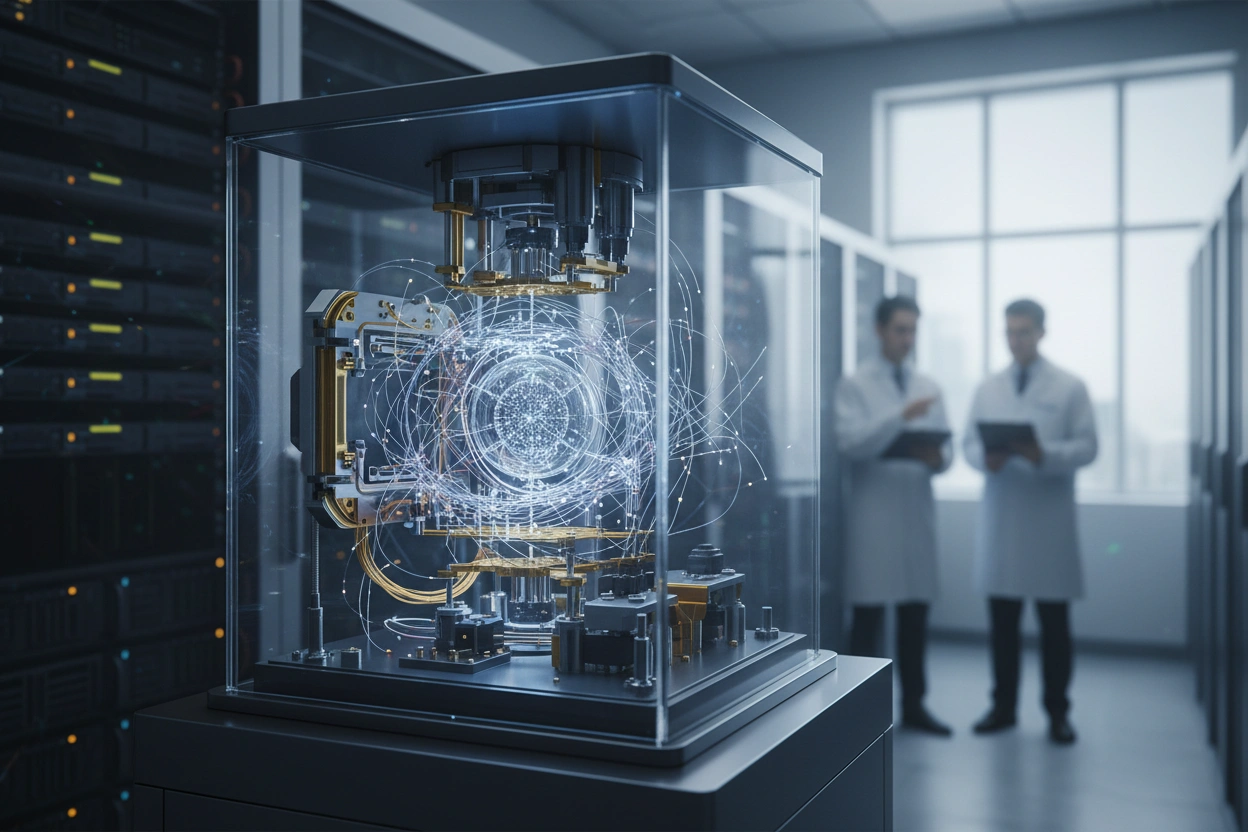
Quantum technology refers to the application of quantum mechanics principles to develop new technologies and systems. It encompasses a range of fields, including quantum computing, quantum communication, and quantum sensing. At its core, quantum technology exploits the unique behaviors of particles at the quantum level, such as superposition and entanglement, to perform tasks that are impossible or impractical using classical physics.
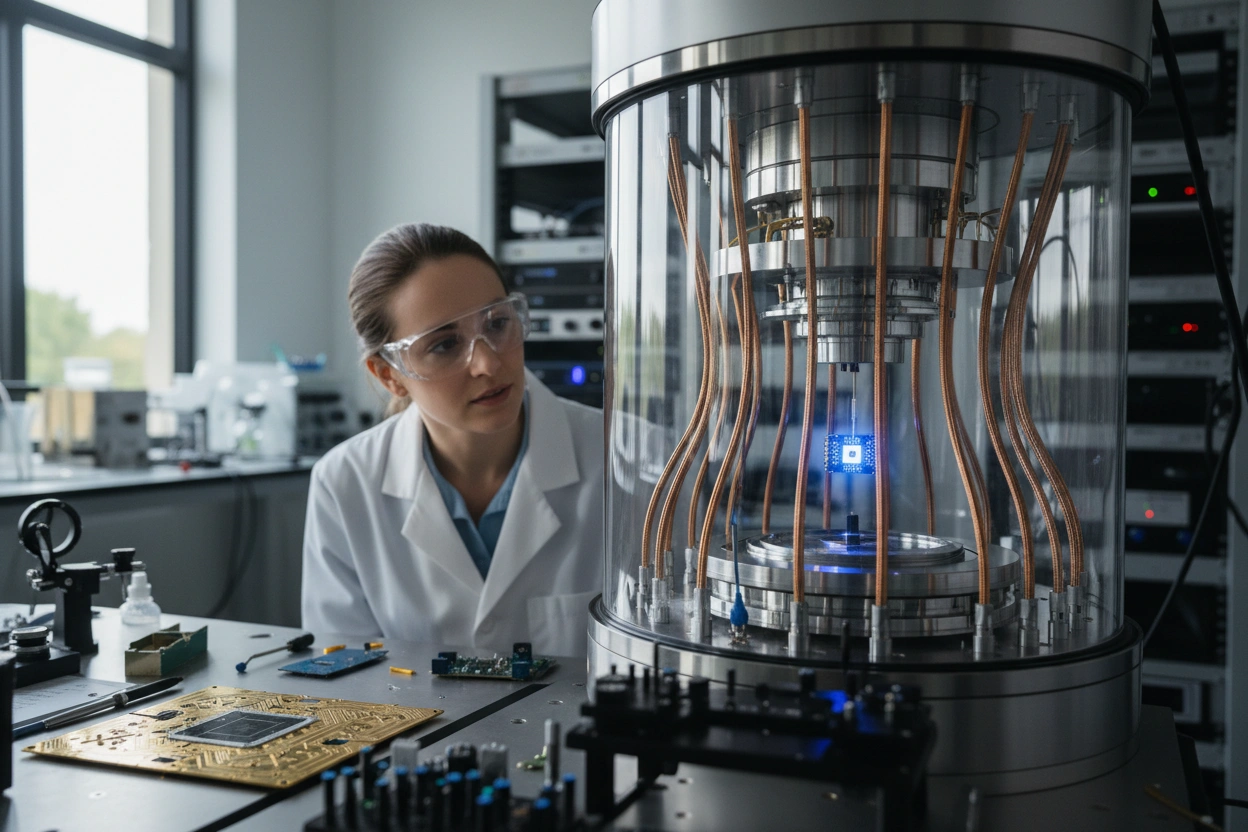
In healthcare, quantum technology is particularly relevant in the development of advanced sensors that can detect minute changes in biological systems. These sensors can provide real-time data that is crucial for timely medical interventions. For instance, quantum sensors can measure magnetic fields with unprecedented precision, enabling the detection of biomarkers associated with various diseases.
Key Principles of Quantum Mechanics in Technology
The two primary principles of quantum mechanics that underpin quantum technology are superposition and entanglement.
Superposition allows quantum particles to exist in multiple states simultaneously. This principle enables quantum sensors to gather more information than traditional sensors, which can only measure one state at a time.
Entanglement occurs when two particles become linked, such that the state of one particle instantly influences the state of the other, regardless of the distance between them. This phenomenon can be harnessed in quantum communication to create secure channels for transmitting sensitive medical data.
These principles are essential for understanding how quantum technology can be applied in healthcare settings to improve medical sensors and other applications.
The Role of Quantum Technology in Medical Sensors
Enhanced Sensitivity and Accuracy
One of the most significant advantages of quantum technology in medical sensors is the enhanced sensitivity and accuracy it provides. Traditional sensors often struggle to detect low-level signals, such as those produced by biological processes. Quantum sensors, however, can detect these minute changes with remarkable precision, leading to earlier and more accurate diagnoses.
For example, quantum sensors can measure the magnetic fields produced by the human brain or heart with incredible sensitivity. This capability can lead to breakthroughs in diagnosing neurological disorders or cardiac issues that may not be detectable with conventional methods. By providing healthcare professionals with more accurate data, quantum sensors can improve patient outcomes and enhance the overall quality of care.
Real-time Monitoring and Data Collection
Quantum technology also facilitates real-time monitoring of patient health through advanced medical sensors. These sensors can continuously collect data on vital signs and other health metrics, enabling healthcare providers to respond promptly to any changes in a patient's condition.
The integration of quantum sensors into wearable devices can revolutionize personal healthcare by allowing patients to monitor their health at home while providing healthcare providers with continuous access to critical data. This capability not only empowers patients to take charge of their health but also allows for timely interventions when necessary.
Quantum Imaging Techniques
Another exciting application of quantum technology in healthcare is in the field of imaging. Quantum imaging techniques, such as quantum-enhanced MRI, utilize quantum properties to improve the resolution and contrast of images. This advancement can lead to better visualization of tumors, lesions, and other critical structures within the body.
Quantum imaging can also reduce the amount of radiation exposure for patients undergoing diagnostic imaging procedures. By achieving higher image quality with lower doses of radiation, healthcare providers can improve patient safety while still obtaining the necessary diagnostic information.
Exploring Quantum Encryption: Safeguarding Our Digital Future
The Importance of Data Security in Healthcare
As healthcare increasingly relies on digital records and telemedicine, data security has become a paramount concern. Healthcare data is a prime target for cyberattacks, and breaches can have devastating consequences for both patients and healthcare providers. Quantum encryption offers a revolutionary approach to safeguarding sensitive medical information.
How Quantum Encryption Works
Quantum encryption utilizes the principles of quantum mechanics to create secure communication channels that are virtually impossible to intercept or tamper with. The most well-known method of quantum encryption is Quantum Key Distribution (QKD), which allows two parties to generate a shared, secret key for secure communication.
The security of QKD is based on the fundamental properties of quantum mechanics. Any attempt to eavesdrop on the communication would disturb the quantum states involved, alerting the communicating parties to the presence of an intruder. This level of security is unmatched by traditional encryption methods, making quantum encryption an ideal solution for protecting healthcare data.
Practical Applications of Quantum Encryption in Healthcare
The implementation of quantum encryption in healthcare can take several forms:
Secure Data Transmission: Quantum encryption can be used to securely transmit patient records between healthcare providers, ensuring that sensitive information remains confidential.
Telemedicine Security: As telemedicine becomes more prevalent, quantum encryption can safeguard virtual consultations and remote patient monitoring systems, protecting both patient privacy and provider confidentiality.
Secure Medical Devices: Quantum technology can enhance the security of medical devices connected to the internet, preventing unauthorized access and ensuring the integrity of patient data.
By integrating quantum encryption into healthcare systems, providers can significantly reduce the risk of data breaches and enhance patient trust in digital healthcare services.
Common Misconceptions About Quantum Technology in Healthcare
Misconception 1: Quantum Technology is Still a Distant Future
One prevalent misconception is that quantum technology is still far from practical application in healthcare. In reality, various quantum applications are already being tested and implemented in medical research and diagnostics. For instance, quantum sensors are being used in experimental settings for early disease detection and monitoring.
Misconception 2: Quantum Technology is Only for Large Institutions
Another common belief is that only large healthcare institutions can benefit from quantum technology due to the high costs associated with its implementation. However, as technology advances, the costs are expected to decrease, making quantum solutions accessible to smaller clinics and healthcare providers. Additionally, partnerships between technology companies and healthcare organizations are fostering innovation and facilitating the adoption of quantum applications across the board.
Misconception 3: Quantum Technology is Too Complex for Everyday Use
Many individuals assume that quantum technology is too complex for practical use in everyday healthcare. While the underlying principles may be intricate, the end-user applications are designed to be user-friendly. Healthcare professionals will receive training and support to effectively utilize quantum-enhanced tools, making the transition smoother and more efficient.
The Future of Quantum Technology in Healthcare
Ongoing Research and Development
The field of quantum technology is rapidly evolving, with ongoing research and development aimed at discovering new applications in healthcare. Universities, research institutions, and private companies are investing in quantum technology to explore its potential in medical diagnostics, treatment planning, and patient management.
For instance, collaborative projects between physicists and healthcare professionals are focusing on developing quantum sensors for detecting specific biomarkers associated with diseases like cancer. As research progresses, we can expect more innovative applications to emerge that will further enhance the capabilities of medical sensors.
Challenges and Considerations
Despite the promising potential of quantum technology in healthcare, several challenges remain. The complexity of quantum systems requires specialized knowledge and expertise, which may pose a barrier to widespread adoption. Additionally, regulatory frameworks must evolve to address the unique aspects of quantum technology and ensure safety and efficacy in medical applications.
Healthcare providers must also consider the ethical implications of utilizing quantum technology, particularly regarding patient data privacy and security. As quantum encryption becomes more prevalent, it will be crucial to establish guidelines and best practices to protect patient information while leveraging the benefits of this cutting-edge technology.
Embracing the Quantum Revolution in Healthcare
The Intersection of Quantum Technology and Healthcare Innovation
Quantum technology is on the brink of revolutionizing healthcare, particularly through its applications in medical sensors and data security. By harnessing the principles of quantum mechanics, healthcare providers can achieve unprecedented accuracy, sensitivity, and security in patient care. The advancements in quantum sensors and encryption will not only improve diagnostics and monitoring but also safeguard sensitive patient information, paving the way for a more secure and efficient healthcare system.
As we look to the future, it is essential for healthcare providers to stay informed about the developments in quantum technology and consider how these innovations can be integrated into their practices. By doing so, they can enhance patient outcomes and contribute to the ongoing evolution of healthcare.
At Outer Edge, we understand the importance of leveraging advanced technologies to improve healthcare delivery. As quantum technology continues to evolve, we are committed to helping healthcare providers navigate this landscape and implement solutions that enhance patient care and security.
For more information on how Outer Edge can assist you in embracing the future of healthcare through innovative technologies, contact Outer Edge today.




.svg)






.png)


