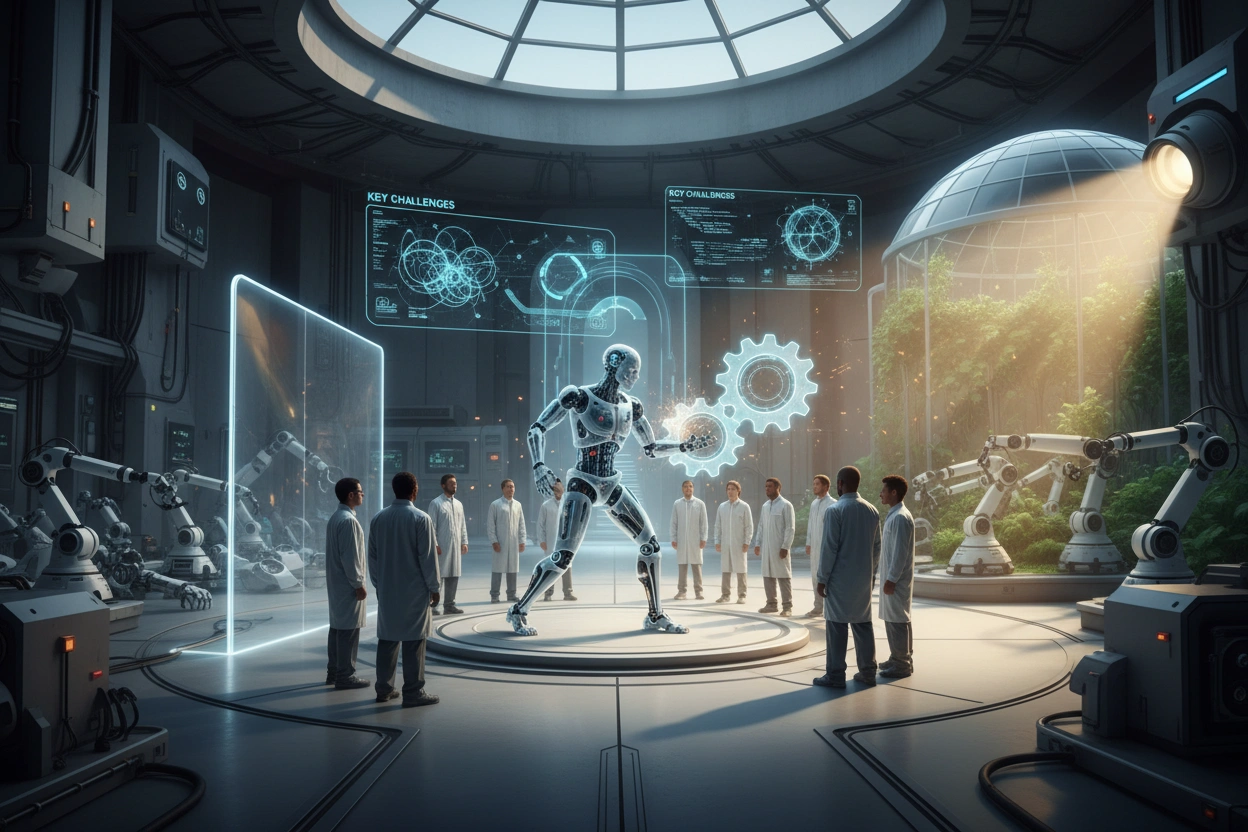
The landscape of AI robotics is rapidly evolving, bringing forth a myriad of opportunities and challenges. In 2026, the integration of AI into robotics has not only advanced technological capabilities but has also introduced complexities that demand immediate attention. As businesses and industries seek to leverage AI robotics for efficiency and productivity, understanding these challenges is crucial for successful implementation and sustainable growth.
In this article, we will explore the key challenges facing AI robotics in 2026, how to overcome them, and the future of AI robotics. By addressing these issues head-on, stakeholders can better position themselves for success in this dynamic field.
Understanding the Key Challenges in AI Robotics
AI robotics is at the forefront of technological innovation, yet it is not without its hurdles. The following sections will delve into the primary challenges that organizations face as they navigate the complexities of AI robotics.
1. Data Privacy and Security Concerns
As AI robotics systems increasingly depend on vast amounts of data, concerns regarding data privacy and security have surged. Organizations must ensure that they comply with stringent regulations while safeguarding sensitive information. The rise of cyber threats poses significant risks, as hackers may exploit vulnerabilities in AI systems.
To effectively address these challenges, organizations should adopt robust cybersecurity measures. This includes:
- Implementing encryption protocols to protect data in transit and at rest.
- Regularly updating software to mitigate vulnerabilities.
- Conducting comprehensive audits and assessments of data handling practices.
Moreover, fostering a culture of data privacy within the organization is essential. Training employees on the importance of data security and developing clear policies can help mitigate risks associated with AI robotics.
2. Integration with Existing Systems
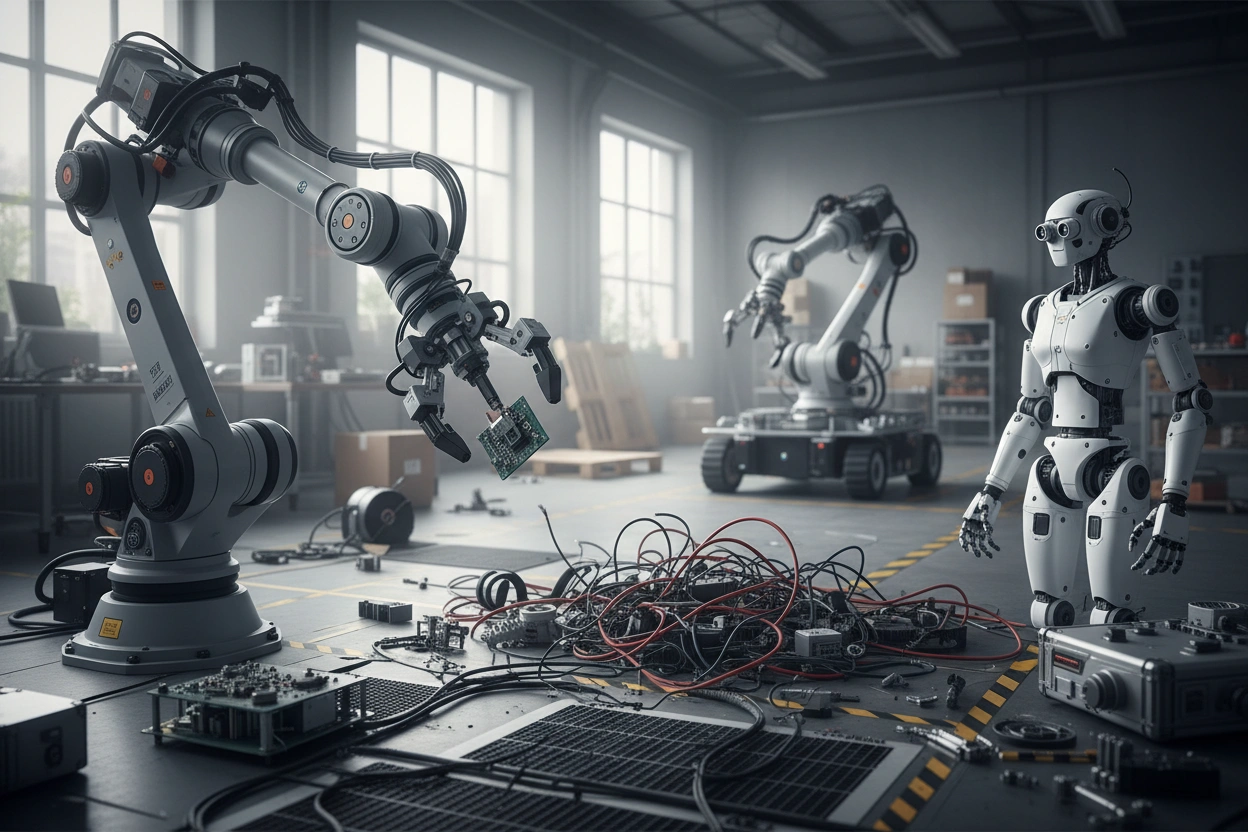
Integrating AI robotics into existing systems presents a significant challenge for many organizations. Legacy systems may not be compatible with advanced AI technologies, leading to increased costs and operational disruptions. The complexity of integration can also hinder the overall effectiveness of AI robotics.
To overcome integration challenges, organizations should:
- Conduct a thorough assessment of existing systems and identify potential compatibility issues.
- Develop a phased implementation strategy that allows for gradual integration of AI robotics.
- Invest in middleware solutions that facilitate communication between legacy systems and new AI technologies.
By adopting a strategic approach to integration, organizations can enhance the functionality of AI robotics while minimizing disruptions.
3. Workforce Displacement and Skills Gap
The rise of AI robotics has sparked concerns about workforce displacement, as automation may replace certain jobs. Additionally, there is a growing skills gap, as many workers lack the necessary training to operate and maintain advanced AI systems. Addressing these issues is critical for the sustainable adoption of AI robotics.
To mitigate workforce displacement, organizations should focus on:
- Reskilling and upskilling employees to equip them with the necessary skills to work alongside AI technologies.
- Implementing training programs that emphasize the importance of human oversight in AI operations.
- Encouraging collaboration between humans and robots to maximize productivity and efficiency.
Investing in workforce development not only helps retain talent but also fosters a culture of innovation within the organization.
Top Trends in AI Robotics for 2026
As we navigate the challenges facing AI robotics, it is equally important to recognize the trends shaping its future. Here are some of the most significant trends expected to influence AI robotics in 2026:
1. Enhanced Human-Robot Collaboration
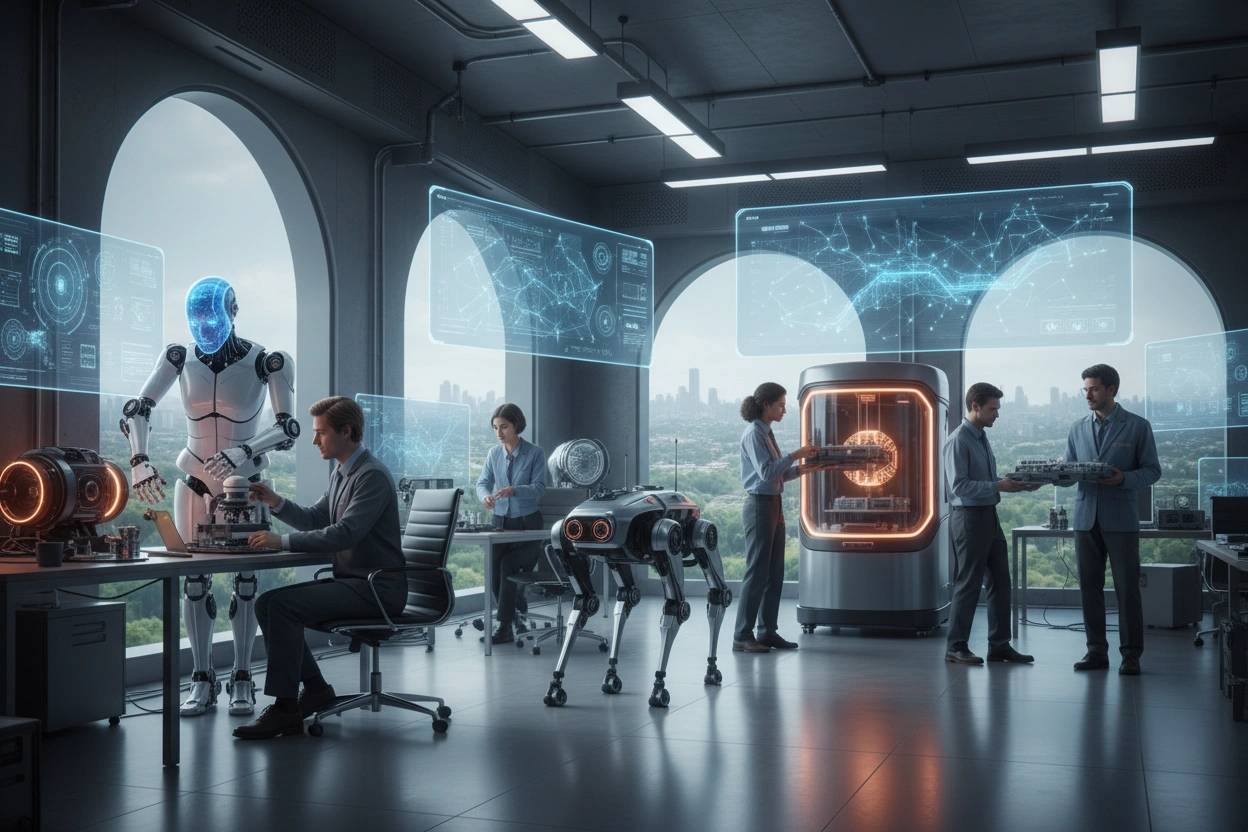
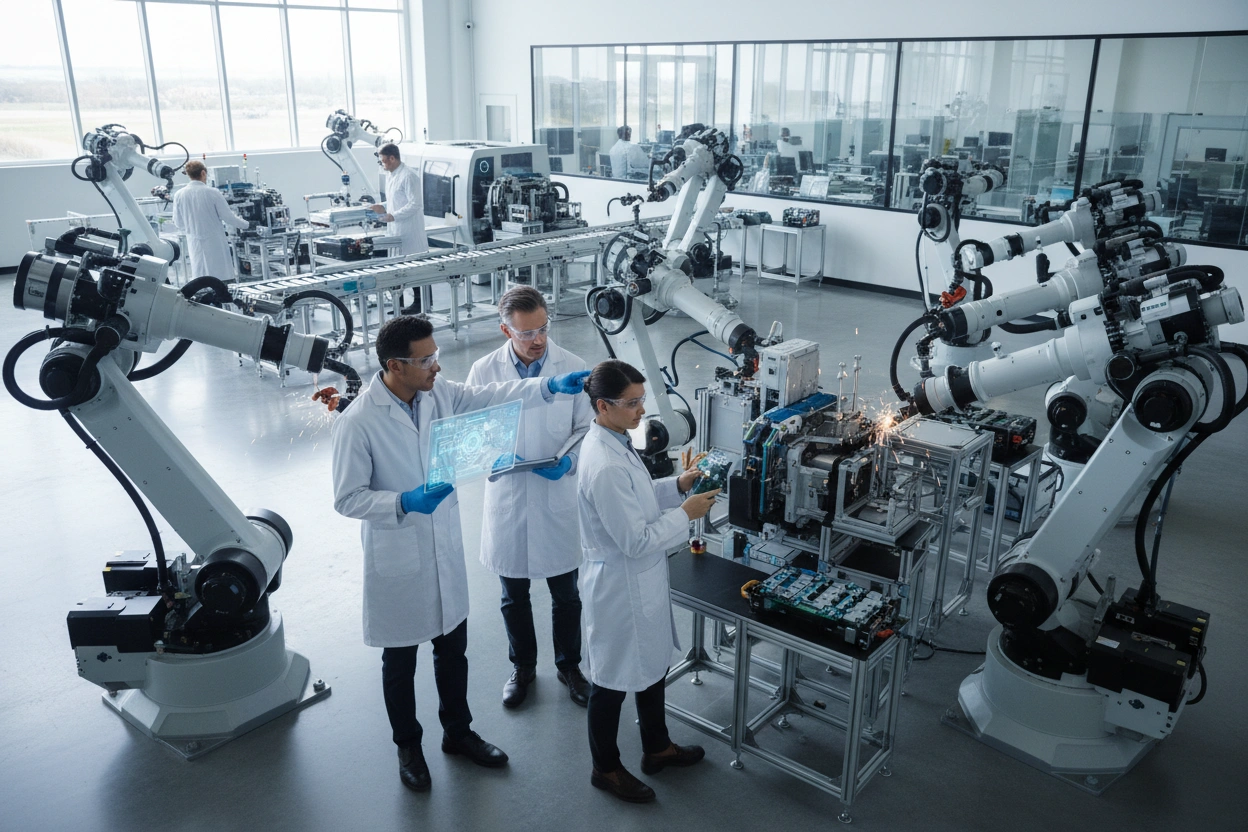
The future of AI robotics lies in collaboration between humans and robots. This trend emphasizes the role of humans in overseeing and guiding AI systems, ensuring that technology complements human capabilities rather than replaces them. Collaborative robots, or cobots, are designed to work alongside humans, enhancing productivity while maintaining safety.
2. Advanced Machine Learning Algorithms
Machine learning algorithms are becoming increasingly sophisticated, enabling AI robotics to learn from experience and adapt to new environments. This trend will enhance the autonomy of AI systems, allowing them to make real-time decisions based on data analysis. As machine learning continues to advance, the potential applications for AI robotics will expand significantly.
3. Increased Focus on Ethical AI
Ethics in AI is garnering more attention as organizations strive to develop responsible AI systems. Ensuring that AI robotics operate within ethical boundaries is crucial for gaining public trust. This trend involves establishing guidelines for the ethical use of AI, addressing biases in algorithms, and promoting transparency in AI decision-making processes.
4. Integration of AI with IoT
The integration of AI robotics with the Internet of Things (IoT) is set to revolutionize industries by creating smart ecosystems. By connecting AI robots to IoT devices, organizations can gather real-time data, optimize operations, and enhance decision-making capabilities. This trend will lead to increased efficiency and productivity across various sectors.
Actionable Insights for Overcoming Challenges
To successfully navigate the challenges facing AI robotics in 2026, organizations should consider the following actionable insights:
1. Establish a Clear Strategy
Developing a comprehensive strategy for AI robotics implementation is essential. This strategy should outline the organization’s goals, identify potential challenges, and establish metrics for success. Engaging stakeholders in the planning process will ensure alignment and facilitate smoother implementation.
2. Invest in Cybersecurity
As data privacy and security concerns continue to rise, investing in cybersecurity measures is paramount. Organizations should prioritize the protection of sensitive data and establish protocols for incident response. Regular training for employees on cybersecurity best practices can further enhance the organization’s defenses.
3. Foster a Culture of Continuous Learning
Encouraging a culture of continuous learning within the organization will empower employees to adapt to the evolving landscape of AI robotics. Providing access to training resources, workshops, and mentorship programs will help bridge the skills gap and prepare the workforce for future challenges.
4. Collaborate with Experts
Partnering with experts in AI robotics startups can provide valuable insights and guidance. Organizations should seek collaborations with academic institutions, industry leaders, and technology providers to stay abreast of the latest developments and best practices.
The Future of AI Robotics: Embracing Opportunities
The challenges facing AI robotics in 2026 are not insurmountable. By understanding these challenges and proactively addressing them, organizations can harness the full potential of AI robotics. The future of AI robotics is bright, with advancements in technology and a focus on ethical practices paving the way for innovative solutions.
Navigating the Landscape of AI Robotics with Outer Edge
As we have explored, the intersection of AI robotics and emerging trends presents both challenges and opportunities for organizations. With a clear strategy, investment in cybersecurity, and a commitment to workforce development, businesses can thrive in this dynamic environment.
At Outer Edge, we understand the complexities of integrating AI robotics into existing systems and the importance of navigating these challenges effectively. Our expertise can help you leverage the benefits of AI robotics while ensuring a secure and ethical approach to implementation.
For more insights and support in your AI robotics journey, contact Outer Edge. Let us guide you through the complexities of AI robotics and help you unlock new opportunities for growth and innovation.


.svg)





.png)


