The emergence of AI robotics is revolutionizing various industries, from manufacturing to healthcare, and even extending its influence into the realm of smart cities. As of 2026, businesses are increasingly recognizing the value of integrating AI robotics into their operations. This integration not only enhances efficiency but also drives innovation and improves customer experiences. However, many organizations still grapple with how to implement these technologies effectively. This article delves into best practices for integrating AI robotics into your business while exploring current trends and applications, particularly in the context of smart cities.
Understanding AI Robotics
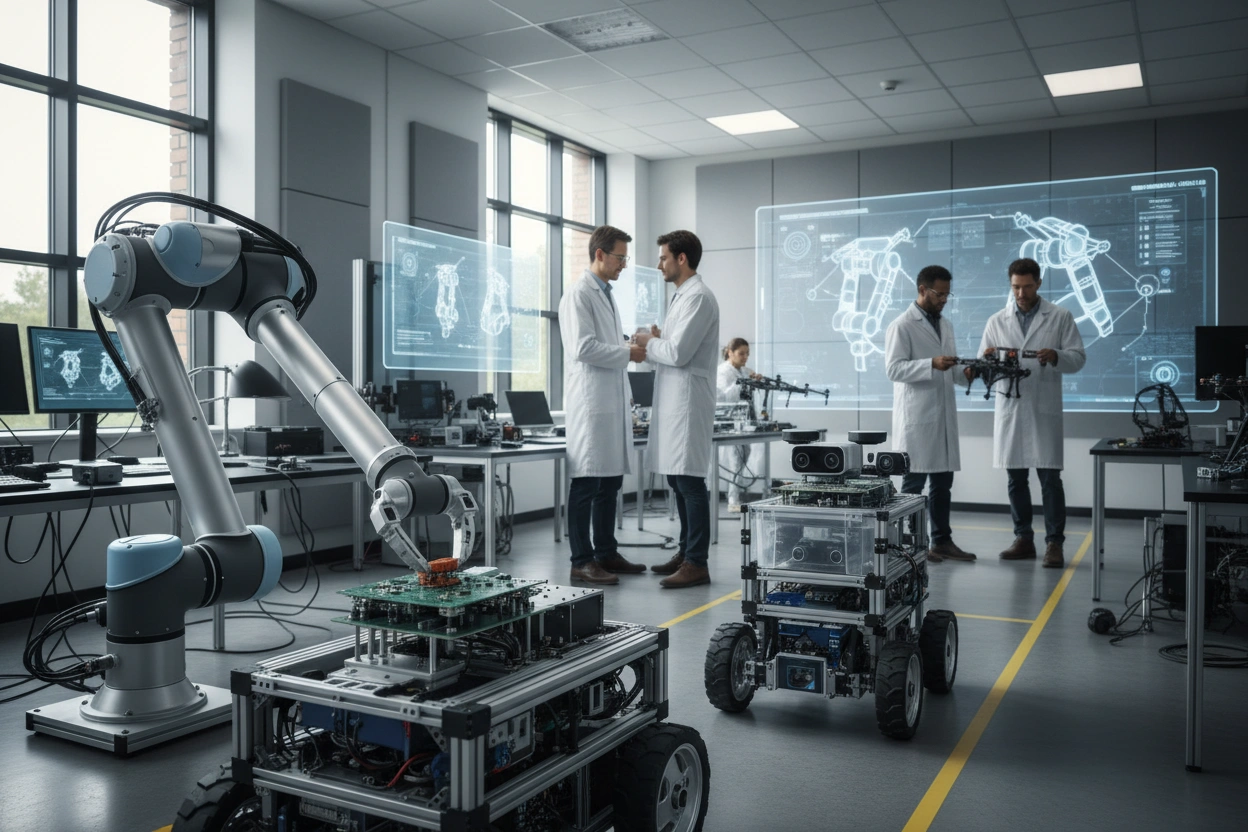
AI robotics combines artificial intelligence with robotics to create machines that can perform tasks autonomously or semi-autonomously. This technology encompasses a range of applications, from simple robotic arms in manufacturing to sophisticated autonomous drones and self-driving vehicles. The key advantage of AI robotics is its ability to learn from data, adapt to changing environments, and perform complex tasks that were once thought to be exclusively human domains.
The Role of AI Robotics in Industry
AI robotics is increasingly becoming a staple across various sectors.
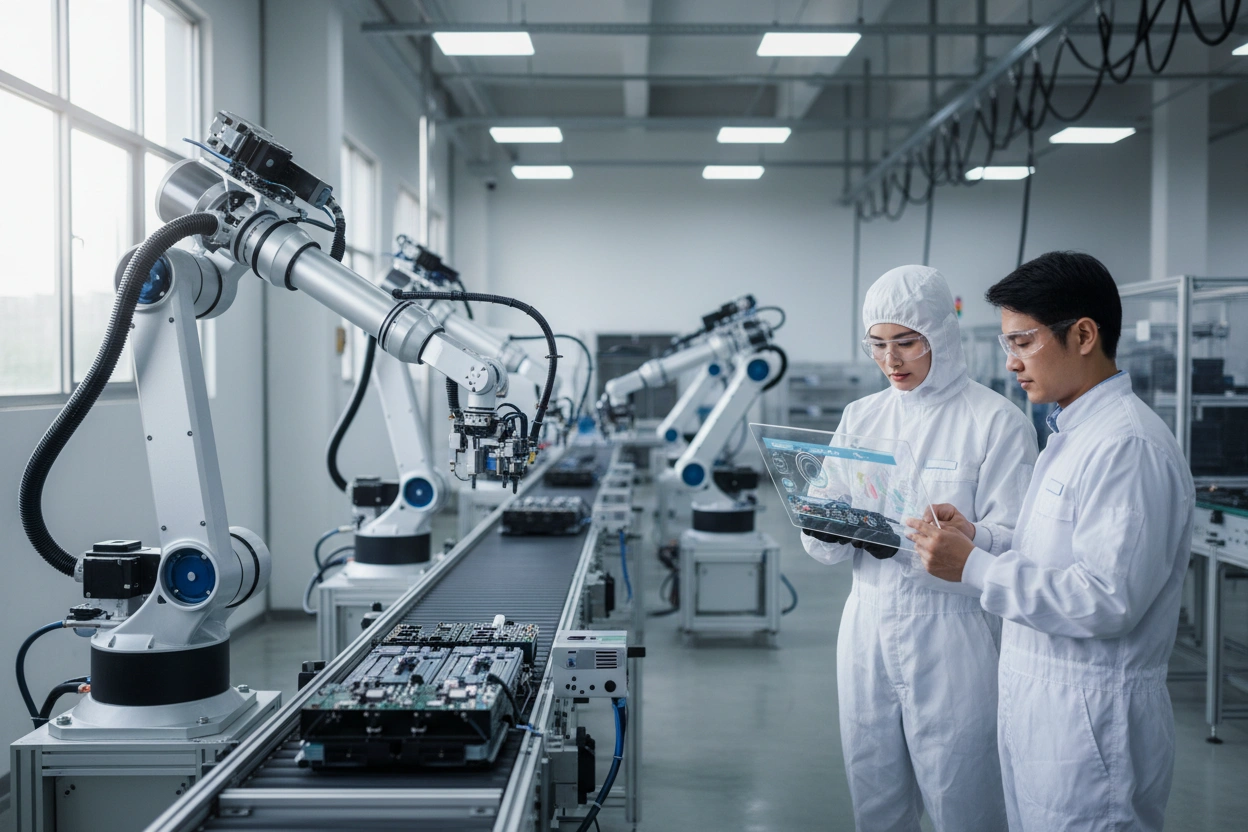
- Manufacturing: Robotic systems are used for assembly lines, quality control, and logistics, significantly reducing labor costs and increasing productivity.
- Healthcare: AI robotics assists in surgeries, patient monitoring, and even administrative tasks, allowing healthcare professionals to focus more on patient care.
- Agriculture: Autonomous tractors and drones are revolutionizing farming practices, optimizing crop yields while reducing resource consumption.
Common Misconceptions About AI Robotics
Despite the significant advancements in AI robotics, several misconceptions persist:
- Job Replacement: Many fear that AI robotics will lead to widespread job losses. However, the reality is that while some jobs may be automated, new roles are created that focus on overseeing, maintaining, and improving these systems.
- Complexity: Some businesses believe that implementing AI robotics is too complex or costly. In reality, many solutions are scalable and can be tailored to fit different business sizes and needs.
Current AI Robotics Trends
As we navigate through 2026, several trends in AI robotics are shaping the future of business operations. Understanding these trends can help organizations stay ahead in a competitive landscape.
1. Enhanced Collaboration Between Humans and Robots
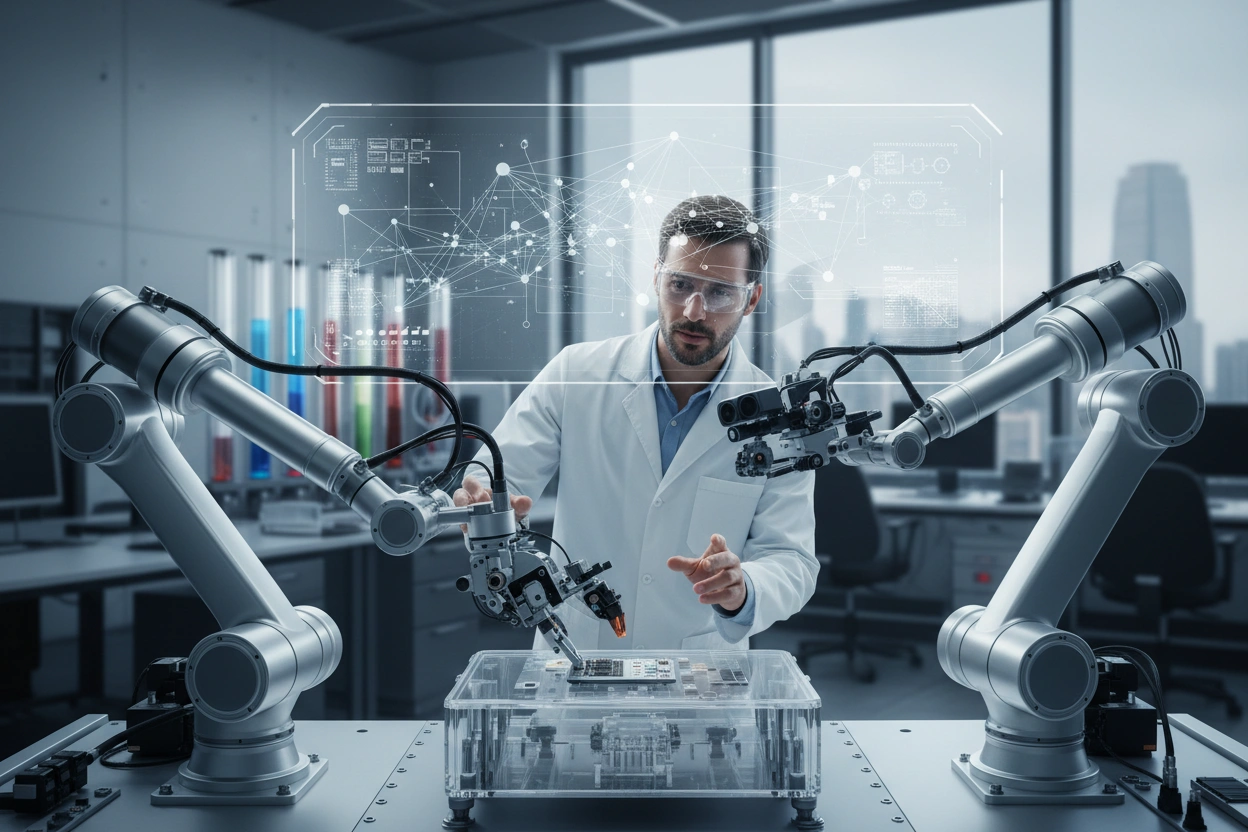
Collaborative robots, or cobots, are designed to work alongside humans, enhancing productivity without replacing human jobs. These robots can handle repetitive tasks, allowing employees to focus on more complex and creative activities.
2. Increased Focus on Data Security
As AI robotics systems become more integrated into business processes, data security is paramount. Organizations must implement robust cybersecurity measures to protect sensitive information and ensure the integrity of their robotic systems.
3. Sustainable Practices
Many businesses are turning to AI robotics to enhance sustainability. Robots can optimize resource use, reduce waste, and contribute to greener practices, aligning with global sustainability goals.
4. Customization and Scalability
AI robotics solutions are becoming increasingly customizable, allowing businesses to tailor their systems to specific needs. This trend is particularly beneficial for small to medium-sized enterprises that may not have the resources to implement off-the-shelf solutions.
Best Practices for Integrating AI Robotics
Integrating AI robotics into your business requires careful planning and execution. Here are some best practices to consider:
Assess Your Business Needs
Before implementing AI robotics, conduct a thorough assessment of your business processes. Identify areas where automation can enhance efficiency and productivity.
- Analyze current workflows to pinpoint bottlenecks.
- Determine which tasks are repetitive and time-consuming.
- Engage with employees to gather insights on challenges they face.
Choose the Right Technology
Selecting the appropriate AI robotics technology is crucial. Consider the following factors:
- Compatibility: Ensure that the technology integrates seamlessly with your existing systems.
- Scalability: Opt for solutions that can grow with your business.
- Support and Training: Choose vendors that offer comprehensive support and training to facilitate smooth implementation.
Develop a Change Management Strategy
Implementing AI robotics can lead to significant changes in workplace dynamics. To manage this transition effectively:
- Communicate openly with employees about the changes and their benefits.
- Provide training to equip staff with the necessary skills to work alongside AI technologies.
- Foster a culture of innovation where employees feel empowered to embrace new technologies.
Monitor and Optimize Performance
Once AI robotics systems are in place, continuous monitoring is essential.
- Use analytics tools to track performance metrics and identify areas for improvement.
- Regularly update software and algorithms to ensure optimal functionality.
- Solicit feedback from employees to refine processes and address any concerns.
How AI Robotics is Transforming Smart Cities
The integration of AI robotics is particularly transformative in the context of smart cities, where technology enhances urban living and governance.
Improved Public Safety
AI robotics plays a vital role in enhancing public safety. Autonomous drones and robots are deployed for surveillance, emergency response, and disaster management. For instance, drones equipped with AI can quickly assess damage in disaster-stricken areas, allowing for faster response times.
Efficient Transportation Systems
Smart cities utilize AI robotics to optimize transportation networks. Autonomous vehicles and traffic management systems can reduce congestion, improve air quality, and enhance the overall commuting experience. For example, AI-driven traffic signals can adapt in real-time to traffic conditions, minimizing delays.
Sustainable Urban Development
AI robotics contributes to sustainable urban development by optimizing resource management. Smart waste collection systems use sensors and AI to determine the best collection routes, reducing fuel consumption and lowering operational costs. Additionally, robots can assist in maintaining green spaces, ensuring cities remain livable and environmentally friendly.
Enhanced Citizen Engagement
AI robotics can enhance citizen engagement by providing real-time information and services. For instance, AI-powered chatbots can assist residents with inquiries related to public services, improving communication between citizens and local government.
Common Mistakes to Avoid When Integrating AI Robotics
While integrating AI robotics offers numerous benefits, organizations must be cautious of common pitfalls.
- Neglecting Employee Involvement: Failing to involve employees in the integration process can lead to resistance and decreased morale. It's crucial to engage staff and address their concerns.
- Underestimating Costs: Many businesses underestimate the total cost of ownership, including maintenance, training, and potential downtime. A detailed budget should encompass all aspects of implementation.
- Overlooking Regulatory Compliance: Ensure that your AI robotics systems comply with local regulations and industry standards to avoid legal complications.
The Future of AI Robotics in Business
As technology continues to evolve, the future of AI robotics looks promising. Businesses that proactively embrace these changes can expect to enhance their operational efficiency, improve customer experiences, and stay competitive in a rapidly changing landscape. The ongoing development of AI robotics capabilities will enable even more sophisticated applications, from fully autonomous systems to enhanced human-robot collaboration.
Leveraging AI Robotics with Outer Edge
Integrating AI robotics into your business can seem daunting, but with the right strategies and support, you can navigate this transformative journey successfully. By understanding the current trends and best practices, you can position your organization for success in a technology-driven future.
Outer Edge is committed to helping businesses like yours leverage AI robotics effectively. Our expertise in technology integration ensures that you can harness the power of AI robotics to optimize your operations and drive growth.
To learn more about how Outer Edge can assist you in integrating AI robotics into your business, visit Outer Edge today and take the first step toward a more efficient and innovative future.



.svg)



.png)


