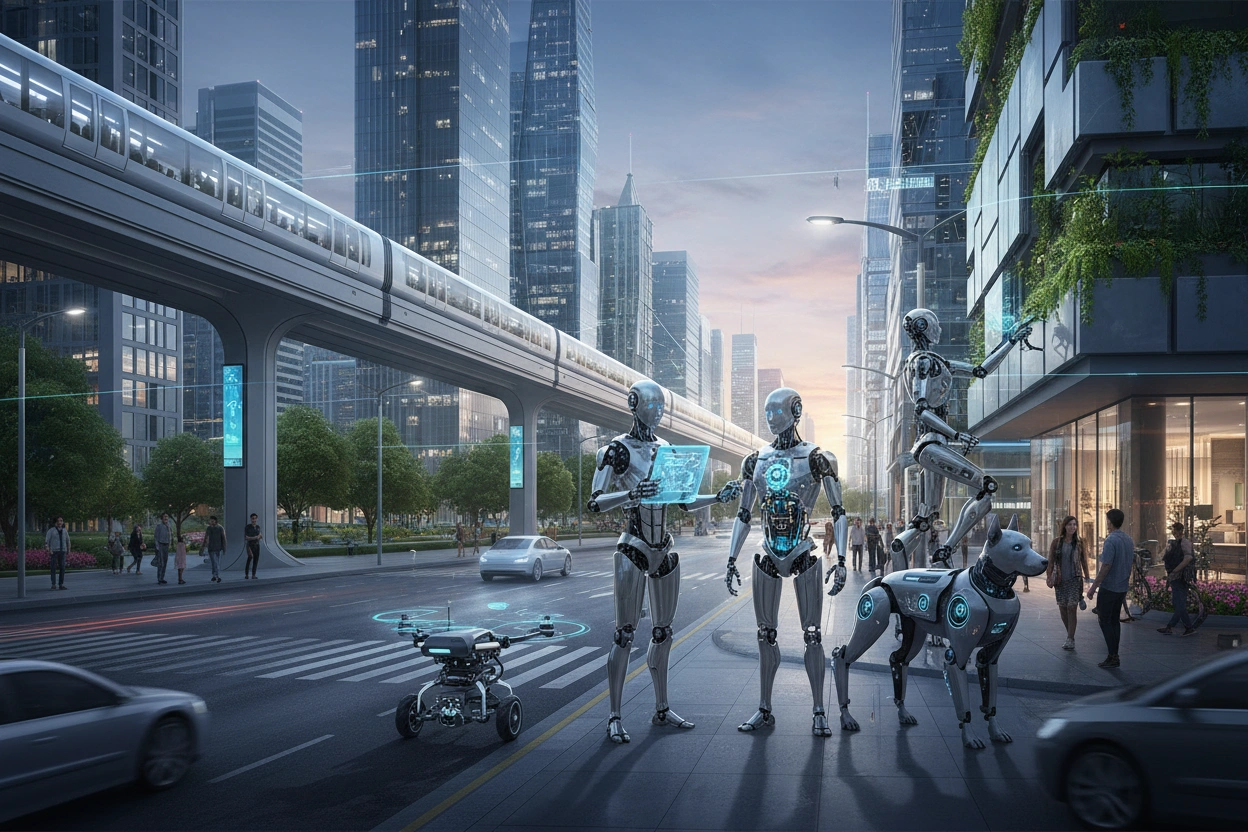
The landscape of education is evolving rapidly, with Integrating AI Robotics emerging as a transformative force. As we enter 2026, the integration of AI robotics into educational settings presents unique opportunities for enhancing learning experiences, streamlining administrative tasks, and preparing students for future careers in a technology-driven world. This article explores practical use cases of AI robotics in education and highlights the top trends shaping the future of AI robotics in the academic sector.
Understanding AI Robotics in Education
AI robotics combines artificial intelligence with robotic systems to create machines capable of performing tasks that traditionally require human intelligence. In educational settings, AI robotics can support both teachers and students by providing personalized learning experiences, automating repetitive tasks, and facilitating hands-on learning.
The adoption of AI robotics in education not only enhances engagement but also equips students with essential skills needed in the workforce. With the increasing demand for tech-savvy professionals, understanding AI robotics is crucial for both educators and students. As schools and universities embrace this technology, they must consider how to implement it effectively to maximize its benefits.
Benefits of AI Robotics in Education
Integrating AI robotics into educational environments offers numerous advantages:
- Personalized Learning: AI robotics can tailor educational experiences to individual student needs, adapting content and pace based on their performance.
- Increased Engagement: Interactive robotic systems can make learning more enjoyable, encouraging students to participate actively in their education.
- Efficient Administrative Processes: AI robotics can automate routine tasks, such as grading and attendance tracking, allowing educators to focus on teaching.
- Real-World Skill Development: Exposure to AI robotics prepares students for careers in technology, engineering, and related fields, enhancing their employability. revolutionizing consumer experiences
Practical Use Cases of AI Robotics in Education
The application of AI robotics in education is varied and innovative. Here are some prominent use cases that demonstrate how this technology is being implemented in classrooms and educational institutions:
1. Intelligent Tutoring Systems
Intelligent tutoring systems use AI robotics to provide personalized assistance to students. These systems analyze a student's learning style, progress, and understanding of the material to offer tailored resources and feedback. For example, platforms like Carnegie Learning utilize AI to adapt mathematics instruction to individual students, identifying areas where they may struggle and providing targeted exercises to improve their skills.
2. Classroom Management Robots
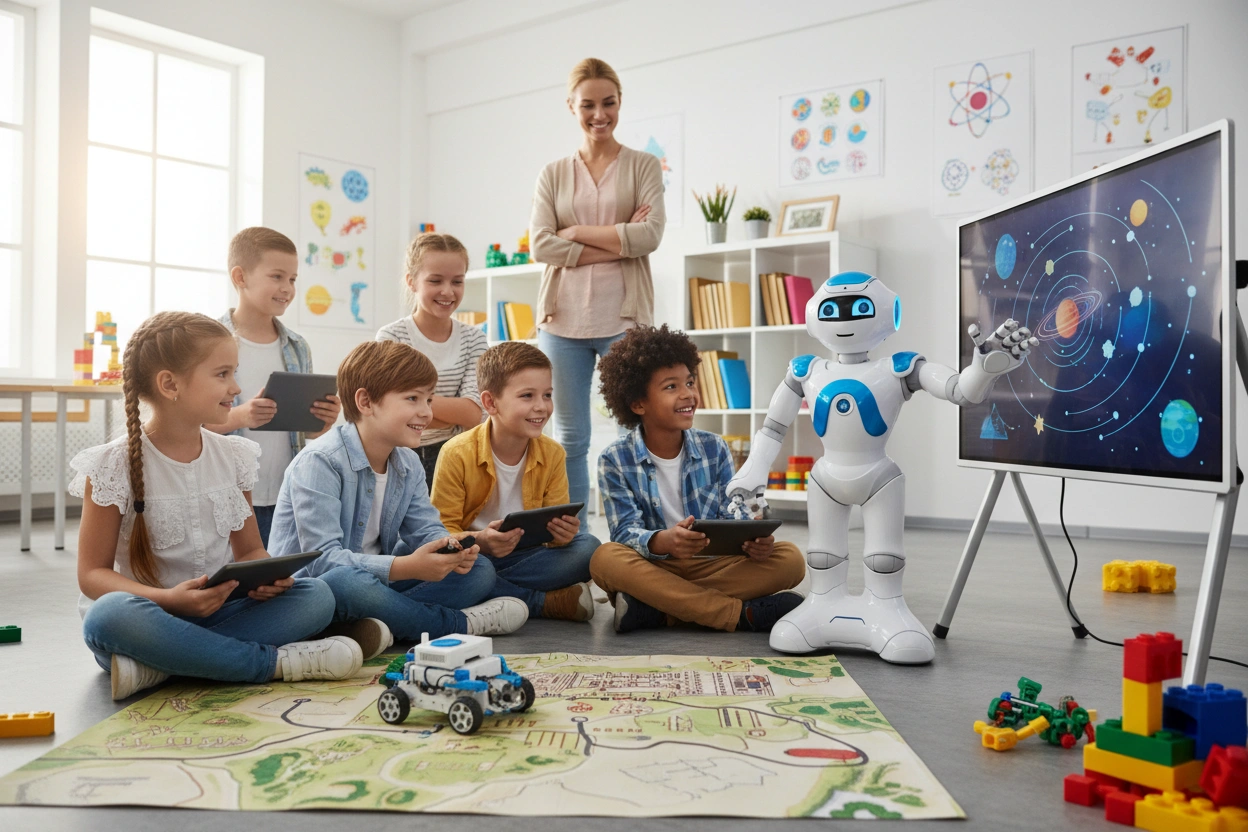
Classroom management robots are designed to assist teachers in maintaining a conducive learning environment. These robots can monitor student behavior, track attendance, and even facilitate group activities. For instance, the robot "Pepper" can interact with students, encouraging participation and providing reminders about assignments, thereby freeing educators to concentrate on more complex teaching tasks.
3. Hands-On Learning with Robotics Kits
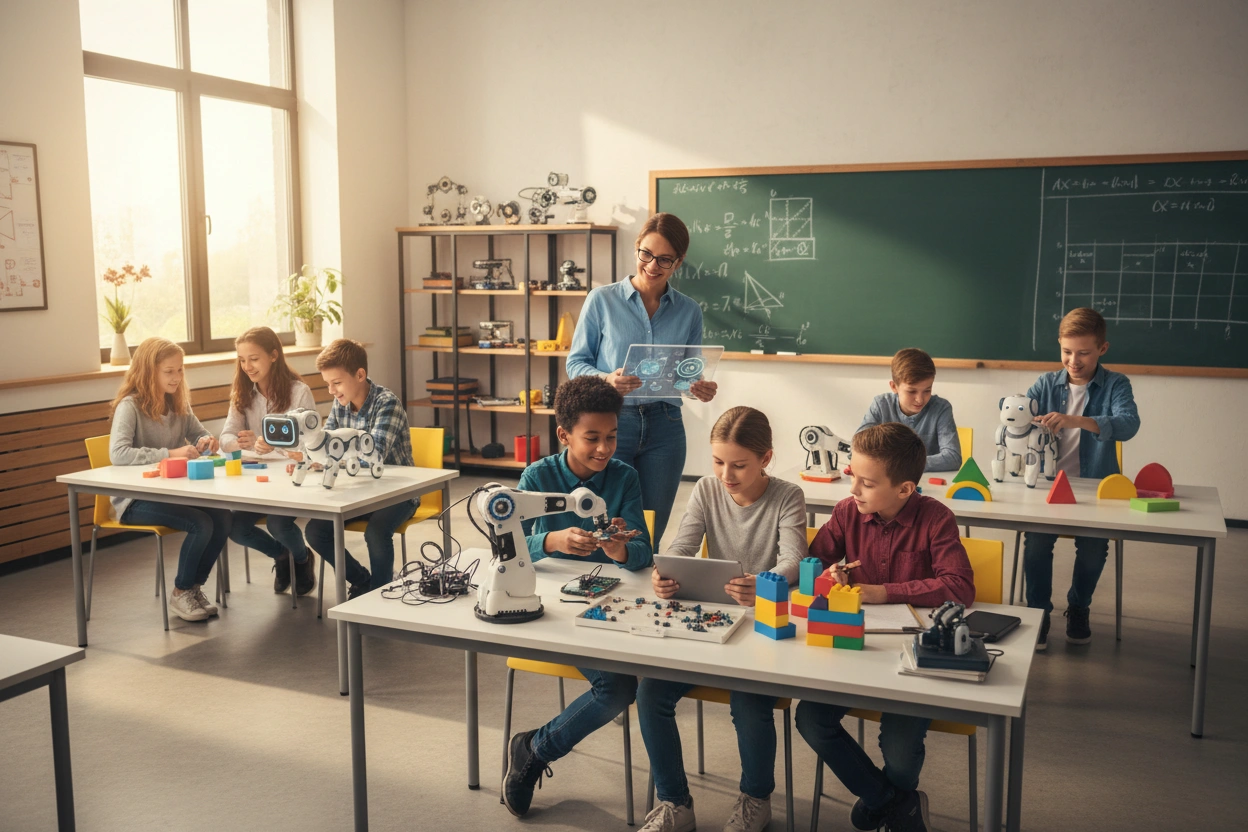
Many educational institutions are incorporating robotics kits into their curricula to teach students about programming, engineering, and problem-solving. Kits such as LEGO Mindstorms and VEX Robotics allow students to build and program their own robots, fostering creativity and critical thinking. These hands-on experiences not only engage students but also provide practical skills relevant to the future of AI robotics.
4. AI-Enhanced Virtual Learning Environments
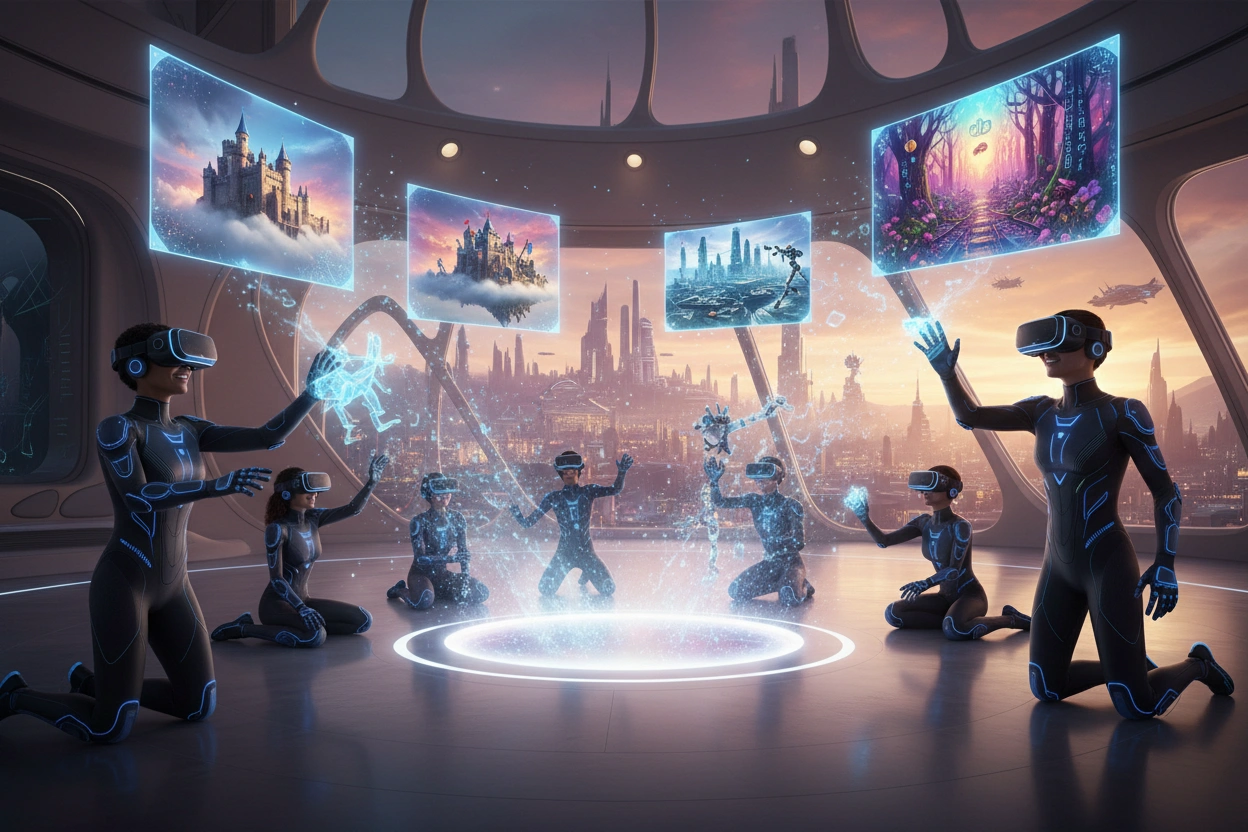
With the rise of remote learning, AI robotics has found a place in virtual classrooms. AI-powered avatars can facilitate online discussions, answer questions in real-time, and guide students through interactive lessons. This technology helps maintain engagement and provides a more dynamic learning experience, which is crucial in an increasingly digital educational landscape.
5. Data-Driven Insights for Educators
AI robotics can analyze vast amounts of educational data to provide insights that help educators improve their teaching strategies. By assessing student performance and engagement metrics, AI tools can highlight areas where students may be struggling, allowing teachers to adjust their approaches accordingly. This data-driven decision-making can lead to enhanced educational outcomes.
Top Trends in AI Robotics for 2026
As we look ahead, several trends are shaping the future of AI robotics in education. Understanding these trends is essential for educators and administrators looking to leverage this technology effectively.
1. Increased Customization of Learning Experiences
In 2026, the trend toward personalized learning will continue to grow. AI robotics will increasingly enable educators to customize learning experiences based on individual student needs, preferences, and learning styles. This shift will enhance student engagement and improve learning outcomes.
2. Integration of AI Ethics into Curricula
As AI robotics becomes more prevalent, there will be a heightened focus on teaching students about the ethical implications of AI technology. Educational institutions will incorporate discussions on AI ethics, ensuring that students understand the societal impacts of AI and robotics as they prepare for future careers in these fields.
3. Expansion of Collaborative Learning Environments
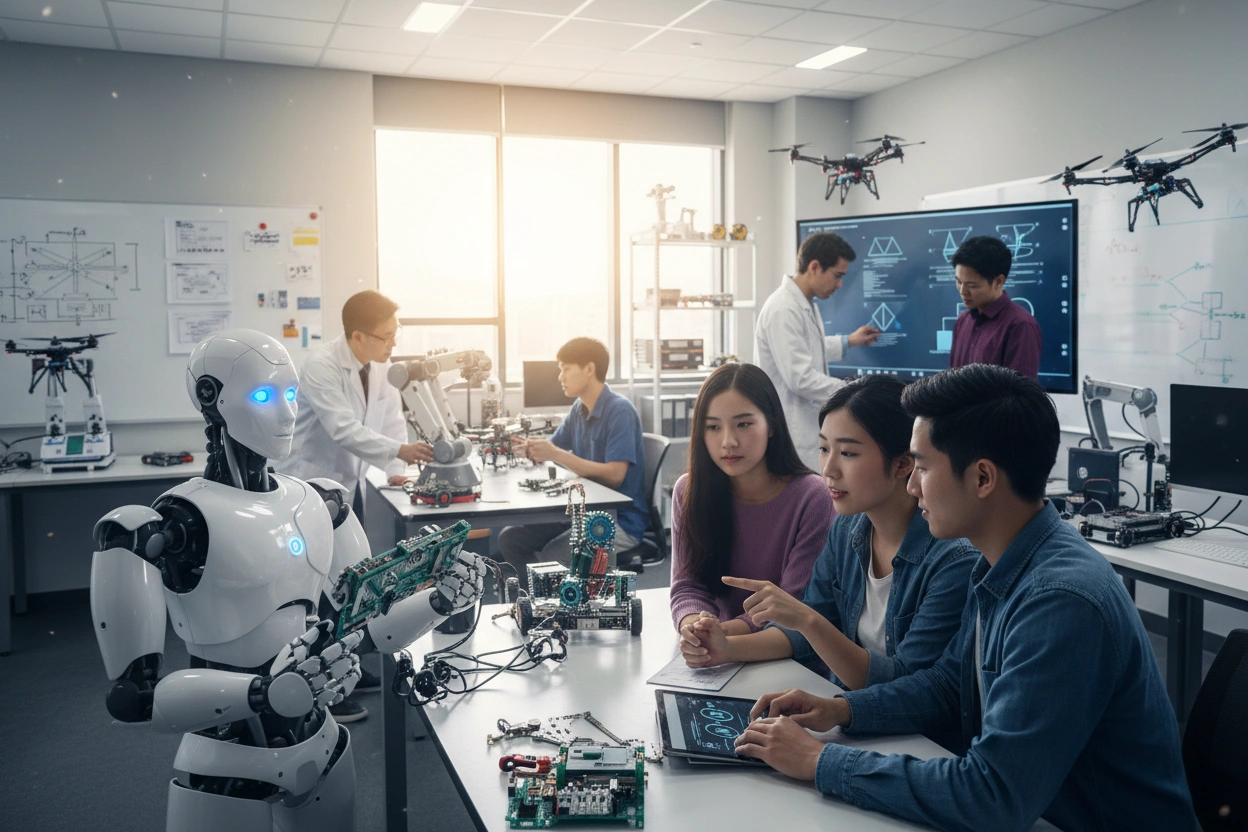
The future of AI robotics will see a rise in collaborative learning environments, where students work together with AI systems and each other to solve problems. This trend will foster teamwork and communication skills, essential for success in the modern workplace.
4. Enhanced Teacher Support Systems
AI robotics will increasingly support teachers by automating administrative tasks and providing insights into student performance. This support will allow educators to dedicate more time to teaching and mentoring, ultimately improving the educational experience for students.
5. Growth of Remote and Hybrid Learning Models
The ongoing evolution of remote and hybrid learning models will drive the demand for AI robotics solutions that enhance online education. Institutions will seek innovative ways to keep students engaged and connected, utilizing AI-powered tools to bridge the gap between in-person and virtual learning environments.
Common Misconceptions About AI Robotics in Education
Despite the growing interest in AI robotics, several misconceptions persist that can hinder its effective integration into educational settings. Addressing these misconceptions is vital for educators and stakeholders.
Misconception 1: AI Robotics Will Replace Teachers
A common belief is that AI robotics will replace human educators. In reality, AI robotics is intended to complement and enhance the teaching process, not replace it. Educators play a crucial role in guiding students and providing emotional support, which AI cannot replicate.
Misconception 2: AI Robotics is Only for STEM Subjects
Another misconception is that AI robotics is limited to science, technology, engineering, and mathematics (STEM) subjects. However, AI robotics can be integrated into various disciplines, including arts and humanities, to promote creativity and critical thinking skills.
Misconception 3: Implementing AI Robotics is Too Expensive
Many educators fear that the costs associated with implementing AI robotics are prohibitive. While initial investments may be significant, the long-term benefits, such as improved student engagement and performance, can outweigh the costs. Additionally, grants and funding opportunities are often available to support technology integration in schools.
Actionable Steps for Integrating AI Robotics into Education
For educational institutions looking to integrate AI robotics effectively, following a structured approach is essential. Here are actionable steps to consider:
- Assess Needs and Objectives: Begin by identifying specific educational needs and objectives that AI robotics can address within your institution.
- Research Available Technologies: Explore various AI robotics solutions that align with your educational goals, considering factors such as cost, ease of implementation, and user support.
- Pilot Programs: Start with small-scale pilot programs to test the effectiveness of AI robotics in your educational setting. Gather feedback from educators and students to refine your approach.
- Provide Training and Support: Ensure that educators receive adequate training on how to use AI robotics effectively. Ongoing support is crucial for successful implementation.
- Evaluate and Adapt: Continuously evaluate the impact of AI robotics on student learning and engagement. Be prepared to adapt your strategies based on feedback and outcomes.
The Future of AI Robotics in Education
The integration of AI robotics into education is not merely a trend; it represents a fundamental shift in how knowledge is imparted and acquired. As we progress through 2026, the potential for AI robotics to enhance educational experiences will only grow, offering exciting possibilities for both students and educators. stories for the future
As educational institutions embrace AI robotics, they must remain vigilant in addressing ethical considerations and ensuring equitable access to technology. By fostering a collaborative environment where technology and human expertise coexist, we can create a brighter future for education. networking opportunities for AI robotics professionals
Navigating the Integration of AI Robotics with Outer Edge
The integration of AI robotics into education is a complex yet rewarding endeavor. As educators and institutions explore the various applications and implications of this technology, Outer Edge stands ready to assist. Our expertise in harnessing the potential of AI robotics can help educational institutions effectively implement these innovative solutions.
By understanding the practical use cases and trends discussed in this article, educators can make informed decisions that enhance the learning experience for their students. To learn more about how Outer Edge can support your journey in integrating AI robotics into education, contact Outer Edge today. Together, we can pave the way for a future where technology and education work hand in hand for the benefit of all learners.


.svg)




.png)


