Quantum technology is rapidly becoming a cornerstone of modern healthcare innovation, enabling unprecedented advancements in diagnostics, treatment, and patient monitoring. By harnessing the principles of quantum mechanics, scientists and engineers are developing quantum sensors that dramatically enhance the precision and accuracy of medical devices. This article explores how quantum technology is transforming healthcare through innovative applications, particularly focusing on best practices for integrating quantum technology and their impact on various medical fields.
Understanding Quantum Technology
Quantum technology encompasses a range of devices and applications that utilize the principles of quantum mechanics, such as superposition and entanglement. These principles allow for enhanced processing power, sensitivity, and security. The most prominent applications of quantum technology include quantum computing, quantum cryptography, and quantum sensing.
The Basics of Quantum Mechanics
At the heart of quantum technology is quantum mechanics, a fundamental theory in physics that describes the behavior of matter and energy at the smallest scales. Key concepts include:
Superposition: The ability of a quantum system to exist in multiple states simultaneously. This principle is essential for quantum computing, allowing for vastly superior data processing capabilities compared to classical computers.
Entanglement: A phenomenon where two or more quantum particles become interconnected, such that the state of one instantly influences the state of the other, regardless of distance. This is crucial for quantum communication and cryptography.
Understanding these principles is vital for grasping how quantum sensors function and their applications in healthcare.
Applications of Quantum Technology in Healthcare
Quantum technology has numerous applications in healthcare, ranging from imaging to drug discovery. Below are some significant areas where quantum technology is making a difference:
- Quantum Imaging: Enhanced imaging techniques that allow for better visualization of tissues and organs, leading to earlier and more accurate diagnoses.
- Quantum Sensors: Devices that can detect minute changes in biological systems, improving monitoring and treatment efficacy.
- Quantum Computing in Drug Discovery: Accelerating the process of drug discovery by simulating complex molecular interactions.
These applications not only improve the quality of care but also enhance the efficiency of healthcare systems.
The Role of Quantum Sensors in Healthcare
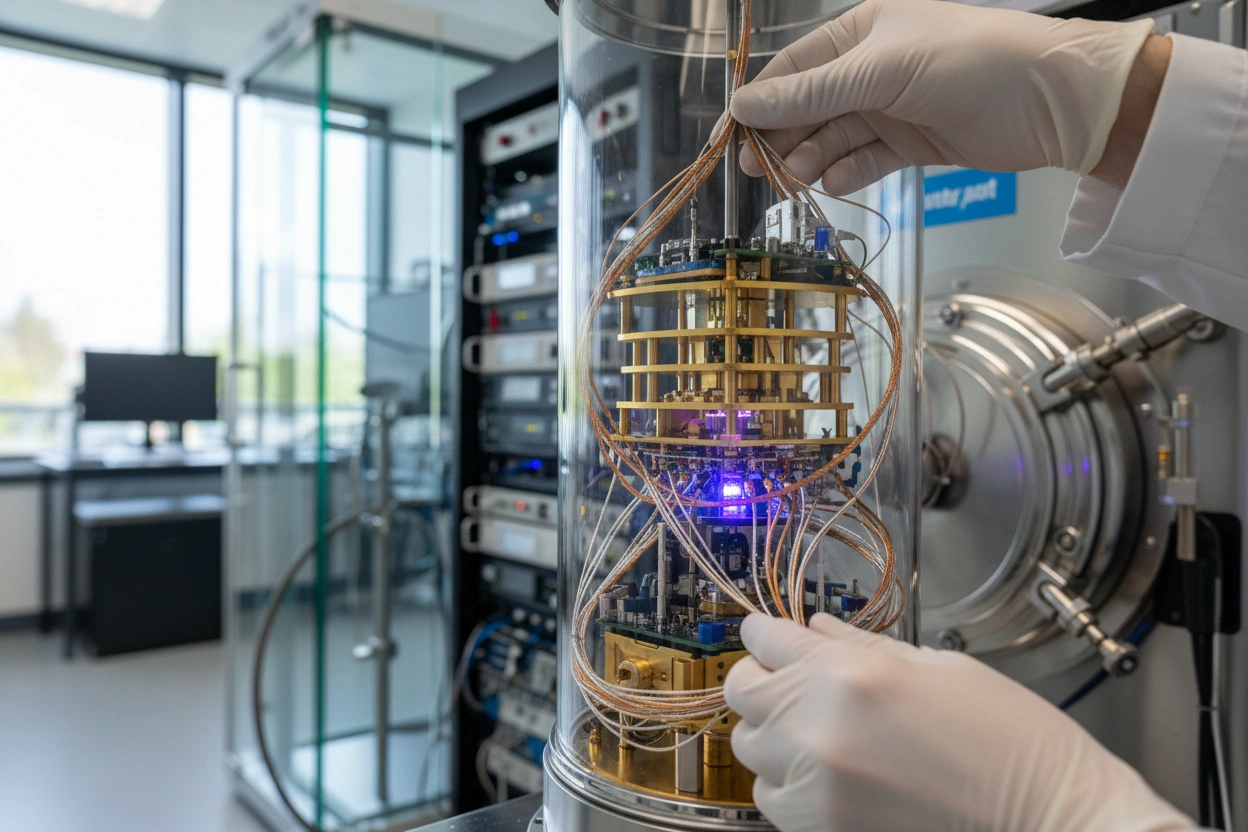
Quantum sensors are specialized devices that leverage quantum phenomena to measure physical quantities with exceptional precision. Their application in healthcare is transforming various aspects of patient care, diagnostics, and treatment.
How Quantum Sensors Work
Quantum sensors operate by utilizing the principles of quantum mechanics to achieve sensitivity beyond the limitations of classical sensors. They can detect changes in temperature, magnetic fields, and other physical properties with incredible accuracy. This sensitivity allows for the early detection of diseases, more precise monitoring of patient conditions, and improved surgical outcomes.
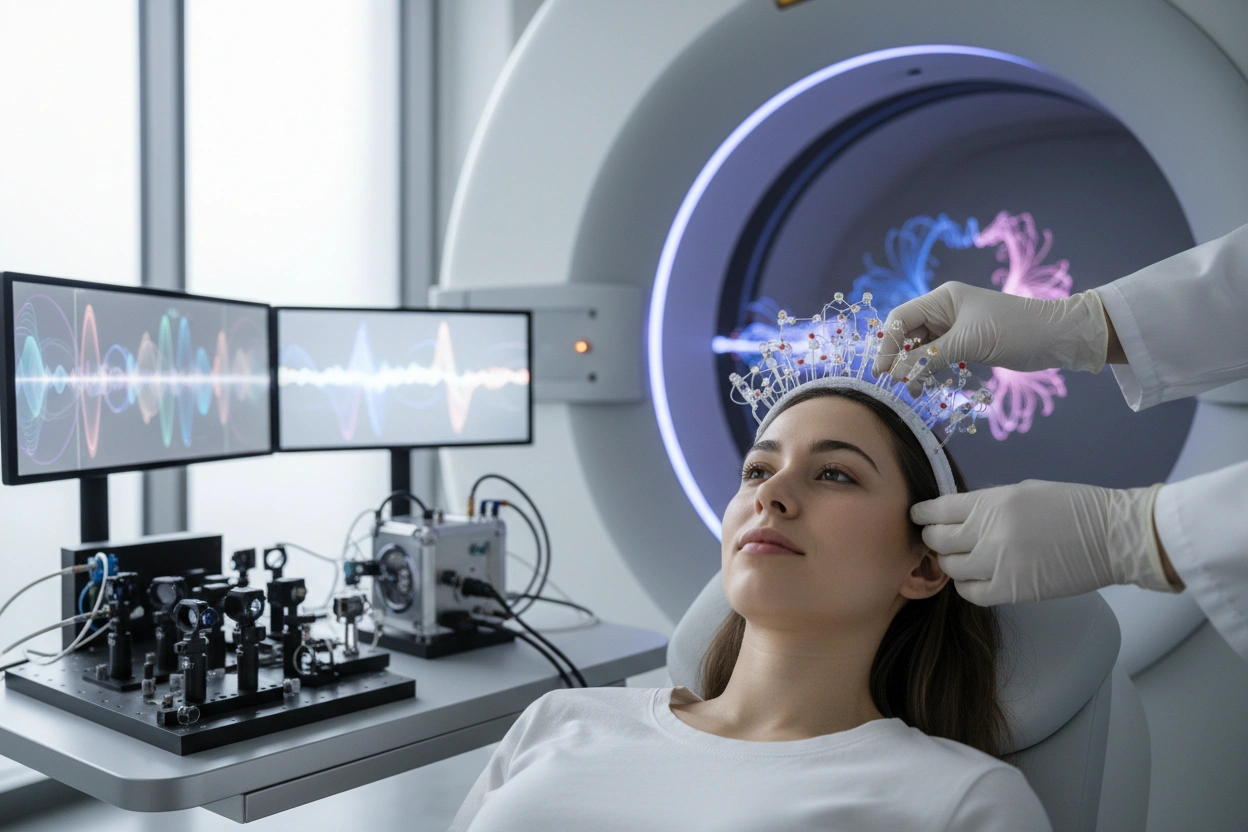
For instance, a quantum sensor can detect changes in magnetic fields produced by neural activity, enabling non-invasive brain imaging and monitoring. This could lead to breakthroughs in understanding neurological disorders and enhancing treatment plans.
Benefits of Quantum Sensors in Medical Applications
Quantum sensors offer numerous benefits in healthcare settings:
- Increased Sensitivity: Quantum sensors can detect biological signals that traditional sensors may miss, leading to earlier diagnoses.
- Real-time Monitoring: Continuous monitoring of patient conditions can be achieved, allowing for immediate response to changes in health status.
- Minimally Invasive Procedures: Enhanced imaging capabilities reduce the need for invasive diagnostic procedures, improving patient comfort and outcomes.
These benefits underscore the potential of quantum sensors to revolutionize how healthcare providers approach patient care.
Exploring Quantum Encryption: Safeguarding Our Digital Future
As healthcare increasingly relies on digital technologies, the need for robust security measures becomes paramount. Quantum encryption represents a revolutionary approach to safeguarding sensitive patient data and ensuring privacy.
What is Quantum Encryption?
Quantum encryption utilizes the principles of quantum mechanics to create secure communication channels that are virtually impossible to intercept without detection. The most notable example is Quantum Key Distribution (QKD), which enables two parties to share a secret key securely, using the behavior of quantum particles to detect eavesdropping.
Importance of Quantum Encryption in Healthcare
In healthcare, safeguarding patient data is critical, especially with the rise of telemedicine and electronic health records. Quantum encryption offers several advantages:
- Enhanced Security: Quantum encryption provides a higher level of security compared to classical encryption methods, protecting sensitive information from cyber threats.
- Data Integrity: The detection of any unauthorized access or tampering is inherent in quantum encryption, ensuring that patient data remains intact and trustworthy.
- Compliance with Regulations: As healthcare regulations become more stringent, implementing quantum encryption can help organizations meet compliance requirements for data security.
The integration of quantum encryption into healthcare systems not only protects patient data but also fosters trust between patients and providers.
Common Misconceptions About Quantum Technology
As with any emerging technology, misconceptions can hinder understanding and adoption. Here are some common myths about quantum technology and the reality behind them:
Myth 1: Quantum Technology is Only for Large Organizations
While large organizations may have the resources to invest in quantum technology, many startups and smaller companies are also exploring its applications. Quantum technology is becoming increasingly accessible, with collaborations and partnerships enabling broader adoption.
Myth 2: Quantum Sensors are Too Complex for Practical Use
Although the underlying principles of quantum sensors are complex, advancements in technology have made them more user-friendly and applicable in various settings, including hospitals and clinics. Training and education can further demystify their use.
Myth 3: Quantum Technology is Still Years Away from Being Useful
Quantum technology is already making significant strides in various industries, including healthcare. Ongoing research and development are continuously yielding practical applications that are transforming patient care.
Addressing these misconceptions is crucial for fostering a better understanding of quantum technology and its potential benefits in healthcare.
Future Trends in Quantum Technology and Healthcare
As we look ahead, several trends are emerging in the intersection of quantum technology and healthcare that could further enhance patient care and innovation.
1. Integration with Artificial Intelligence
The convergence of quantum technology and artificial intelligence (AI) is expected to yield powerful tools for data analysis and decision-making in healthcare. Quantum computers can process vast amounts of data at unprecedented speeds, allowing for more accurate predictions and personalized treatment plans.
2. Expanded Applications in Diagnostics
Quantum sensors are anticipated to expand their applications in diagnostics, particularly in areas such as cancer detection and metabolic monitoring. Enhanced sensitivity will enable earlier detection of diseases, significantly improving patient outcomes.
3. Development of Portable Quantum Devices
The push for portable quantum sensors and devices will enable real-time monitoring of patient health outside traditional healthcare settings. This shift could democratize access to advanced diagnostics and monitoring, especially in remote or underserved areas.
These trends indicate a promising future for quantum technology in healthcare, with the potential to reshape how we approach patient care.
The Transformative Potential of Quantum Technology in Healthcare
The integration of quantum technology, particularly through quantum sensors and encryption, is poised to revolutionize healthcare. By improving diagnostics, enhancing patient monitoring, and safeguarding sensitive data, quantum technology is paving the way for a new era of innovation in medicine.
How Outer Edge Can Help
At Outer Edge, we understand the complexities and challenges associated with implementing advanced technologies like quantum technology in healthcare. Our expertise in navigating these innovations allows us to assist healthcare providers in adopting and integrating quantum solutions effectively. VESA Pioneering Digital Artist can provide insights into the latest trends and applications.
By leveraging the transformative potential of quantum technology, healthcare organizations can improve patient outcomes, enhance operational efficiency, and ensure data security. We invite you to explore how Outer Edge can support your journey towards embracing these groundbreaking advancements.
Take the Next Step with Outer Edge
Ready to delve into the world of quantum technology and its applications in healthcare? Contact Outer Edge today to learn how we can help you harness the power of innovation to transform your healthcare solutions.




.svg)






.png)


