The rise of web3 gaming and entertainment has revolutionized how individuals engage with digital spaces. At the forefront of this transformation is the Play-to-Earn (P2E) model, which allows players to earn real-world value through their participation in gaming ecosystems. As of 2026, this model has gained significant traction, reshaping not only the gaming industry but also the broader entertainment landscape. In this article, we will explore how play-to-earn dynamics influence web3 gaming and entertainment communities and delve into the top trends in blockchain entertainment this year.
Understanding Play-to-Earn in Web3 Gaming and Entertainment
Play-to-Earn is a concept that empowers players by providing them with tangible rewards for their in-game actions. Unlike traditional gaming models where players invest time and money without any return, P2E enables individuals to monetize their gaming experiences through various mechanisms, such as cryptocurrency rewards, NFTs, and in-game assets. This shift is particularly significant in the context of web3, where decentralized governance models play crucial roles.
The Mechanics of Play-to-Earn
Earning Through Gameplay: Players can earn tokens or cryptocurrencies by completing tasks, winning battles, or achieving milestones in games. These rewards can then be traded or converted into real-world currency.
Ownership of Assets: In web3 gaming, players have true ownership of their in-game assets, which are often represented as non-fungible tokens (NFTs). This ownership allows players to sell, trade, or use these assets across different platforms.
Community Governance: Many web3 games implement decentralized governance models, enabling players to have a say in the game's development and direction. This creates a more engaged and invested community.
The Impact on Gaming Communities
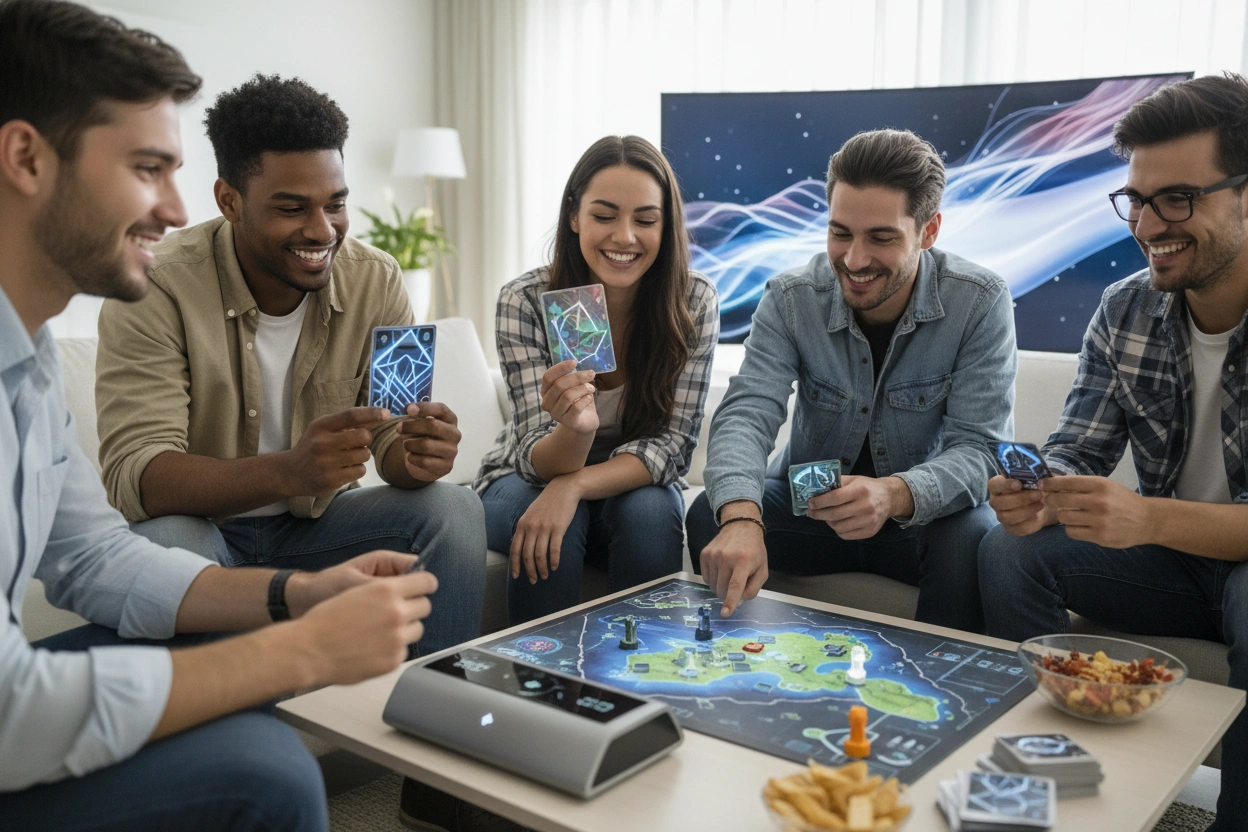
The play-to-earn model fosters a sense of community among players. With shared goals and economic incentives, players are more likely to collaborate and engage with one another. Moreover, as players invest time and resources into these ecosystems, their commitment to the community strengthens, leading to vibrant and dynamic interactions.
Top 10 Trends in Blockchain Entertainment This Year
As web3 gaming and entertainment continue to evolve, several trends are shaping the landscape in 2026. Here are the top ten trends in blockchain entertainment that are capturing attention:
Increased Adoption of NFTs: The use of NFTs in gaming is expanding beyond collectibles. Game developers are creating unique in-game items and characters that can be bought, sold, and traded, enhancing the player's experience and investment.
Cross-Platform Play: Games are increasingly allowing players to use their assets across different platforms. This interoperability is a significant trend as it enhances player engagement and broadens the potential audience.
Play-to-Earn Ecosystems: More games are incorporating play-to-earn mechanics, encouraging players to participate actively and create value within the ecosystem. This trend is leading to the emergence of entire economies centered around gaming.
Decentralized Finance (DeFi) Integration: The integration of DeFi elements into gaming platforms is gaining traction. Players can stake their tokens or participate in liquidity pools, further monetizing their gaming experience.
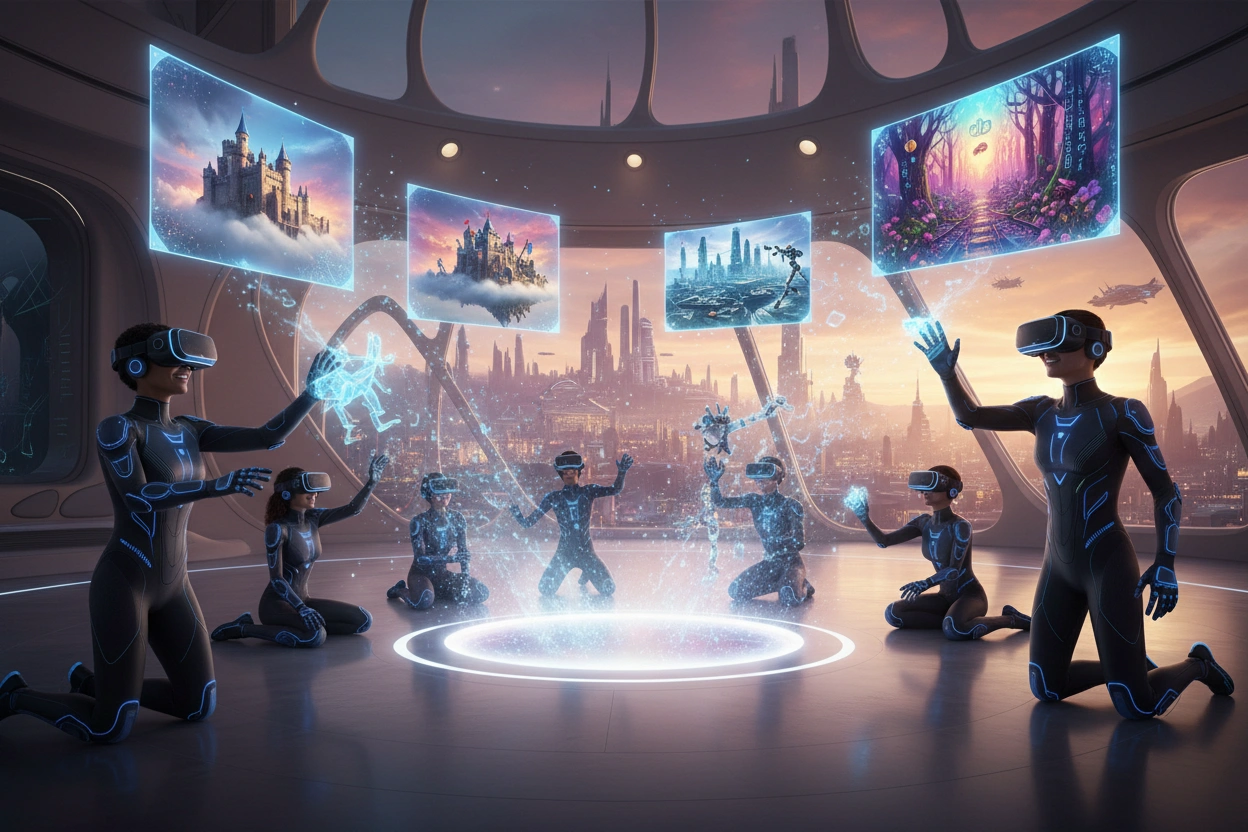
Enhanced User Experience Through VR and AR: Virtual reality (VR) and augmented reality (AR) are being integrated into blockchain games, providing immersive experiences that enhance player engagement and interaction.
Community-Driven Development: Game developers are increasingly involving their communities in the development process, using feedback and suggestions to shape the game's future. This trend fosters loyalty and investment among players.
Sustainable Gaming Practices: As environmental concerns grow, blockchain games are exploring eco-friendly solutions, such as proof-of-stake mechanisms, to reduce their carbon footprint.
Growth of Esports in Web3: The rise of esports is being mirrored in the web3 space, with tournaments and competitions offering substantial prizes in cryptocurrency. This trend is attracting both players and spectators to the blockchain gaming arena.
Educational Gaming: Games that educate players about blockchain technology, cryptocurrencies, and financial literacy are gaining popularity. These games provide a fun way to learn about complex topics while earning rewards.
Regulatory Developments: As the industry matures, governments are beginning to establish regulations around blockchain gaming and cryptocurrencies. Staying informed about these developments is crucial for both players and developers.
Common Misconceptions About Play-to-Earn and Web3 Gaming
Despite the growing popularity of play-to-earn models in web3 gaming, several misconceptions persist. Addressing these misunderstandings can help potential players make informed decisions.
Misconception 1: Play-to-Earn is Only for Gamers
While play-to-earn models are primarily associated with gaming, they are not limited to traditional gamers. Individuals with varying interests, such as collectors and investors, can also benefit from engaging in blockchain entertainment. The versatility of NFTs and digital assets allows for broader participation.
Misconception 2: P2E Games Are Only a Fad
Some skeptics view play-to-earn games as a passing trend. However, the underlying technologies, such as blockchain and decentralized finance, are here to stay. The economic models supporting these games are evolving, indicating that P2E is becoming a staple in the entertainment industry.
Misconception 3: All P2E Games Are Profitable
While many players have successfully earned rewards through play-to-earn games, not all games guarantee profitability. Players should conduct thorough research and understand the mechanics of each game before investing time or resources.
Strategies for Engaging with Web3 Gaming and Entertainment
To maximize the benefits of participating in web3 gaming and entertainment, players should adopt strategic approaches. Here are several actionable insights to consider:
1. Research Potential Games
Before diving into a game, take time to research its mechanics, community, and potential for growth. Understanding the game’s economy and the value of its assets will inform your decision-making.
2. Join Community Forums
Participating in community discussions can provide valuable insights and updates about games. Engaging with other players allows for shared experiences and strategies that can enhance your gaming journey.
3. Diversify Your Investments
In the world of blockchain entertainment, diversifying your assets can mitigate risks. Consider investing in various games or NFTs to create a balanced portfolio that can withstand market fluctuations.
4. Stay Updated on Industry Trends
The blockchain gaming landscape is dynamic, with new developments occurring regularly. Staying informed about industry trends will help you adapt and seize opportunities as they arise.
5. Understand the Risks
Like any investment, engaging in web3 gaming and entertainment comes with risks. Be aware of the potential for volatility in the market and approach your participation with caution.
The Future of Web3 Gaming and Entertainment
As we progress through 2026, the future of web3 gaming and entertainment looks promising. The intersection of gaming, finance, and community engagement continues to create innovative opportunities for players and developers alike. With advancements in technology and an increasing number of participants, the landscape will undoubtedly evolve.
The Role of Blockchain in Entertainment
Blockchain technology is set to redefine not only gaming but also various aspects of the entertainment industry. From music to film, the ability to tokenize assets and create decentralized platforms is transforming how content is created, distributed, and consumed.
Embracing Decentralization
The shift towards decentralization in entertainment encourages more equitable distribution of profits and opportunities. Artists and creators can directly connect with their audiences, reducing reliance on intermediaries.
The Impact of Play-to-Earn on Communities
The play-to-earn model is more than just a financial incentive; it creates communities that thrive on collaboration and shared interests. As players engage with each other, they foster relationships that extend beyond the game itself. This sense of belonging is vital in an increasingly digital world.
Navigating the Evolving Landscape of Web3 Gaming and Entertainment
As the web3 gaming and entertainment sector continues to grow, it’s crucial for participants to navigate this evolving landscape with knowledge and caution. By understanding the mechanics, trends, and community dynamics, players can fully engage with the opportunities that lie ahead.
Harnessing the Power of Web3 Gaming and Entertainment with Outer Edge
The journey through web3 gaming and entertainment is filled with exciting prospects and challenges. As you explore the play-to-earn model and its impact on communities, remember that the landscape is constantly evolving. Outer Edge is here to help you navigate this complex environment, providing insights and resources tailored to your journey in blockchain entertainment.
Explore the potential of web3 gaming and entertainment today. Visit Outer Edge for more information and to discover how you can maximize your experience in this exciting new realm.




.svg)





.png)


