How AI Tools Are Integrated Into Design and Media Workflows
No items found.
Updated on:
February 8, 2026
How AI Tools Are Integrated Into Design and Media Workflows
Updated on:
February 8, 2026
Imagine a world where creativity and technology seamlessly blend to streamline design processes. The rise of artificial intelligence (AI) tools has marked a significant turning point in the way design and media workflows are conducted. By leveraging machine learning and automation, these tools are not only enhancing creativity but also improving efficiency and collaboration among teams. This article explores how AI tools are transforming design and media workflows, enhancing efficiency and collaboration.
The Role of AI in Streamlining Creative Processes
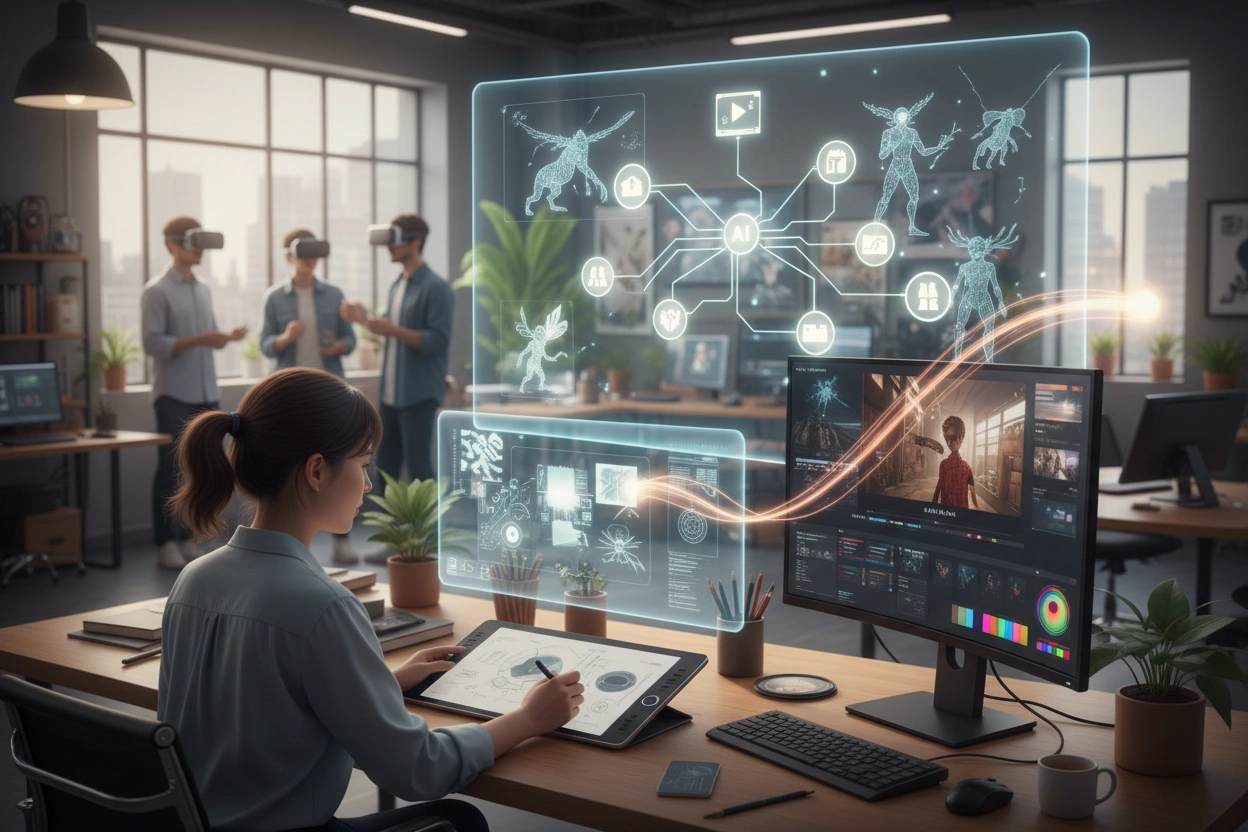
AI's impact on design automation is profound, reshaping how creative professionals approach their work. Design automation tools powered by AI can handle repetitive tasks, allowing designers to focus on more strategic and creative elements of their projects. For instance, AI can automate tasks such as resizing images, generating layouts, and even suggesting color palettes based on current design trends. This not only saves time but also reduces the potential for human error, leading to more consistent and high-quality outputs.
Improving media workflow efficiency is another critical aspect of AI integration. AI-driven tools can analyze vast amounts of data to identify bottlenecks in the creative process. For example, AI can monitor project timelines and resource allocation, offering insights that help teams optimize their workflow. By predicting potential delays and suggesting adjustments, these tools empower teams to stay on track and meet deadlines more effectively. This shift toward data-driven decision-making is essential in a fast-paced environment where agility and responsiveness are key to success.
Optimizing Creative Workflows With AI Technologies
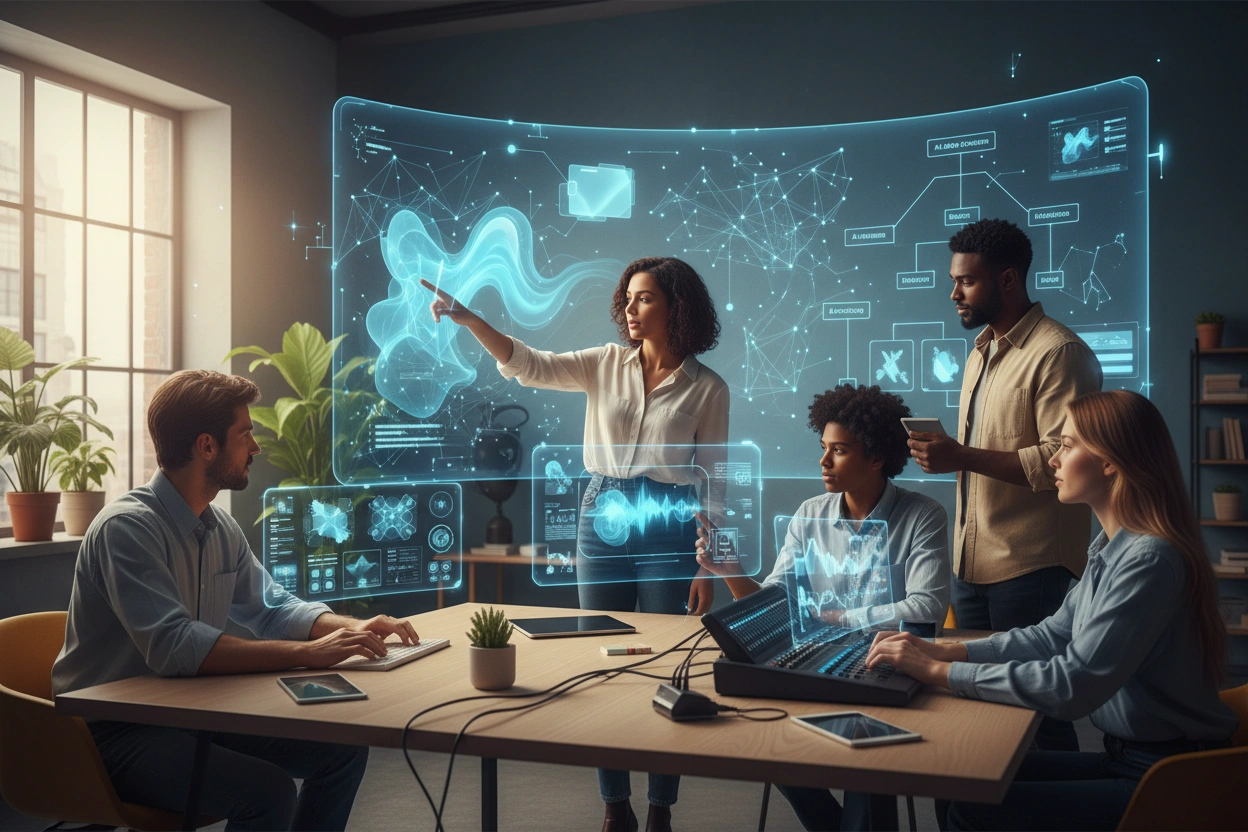
The importance of workflow optimization in creative industries cannot be overstated. As projects become increasingly complex, the need for streamlined processes is paramount. AI technologies play a pivotal role in this optimization by enabling seamless collaboration among team members. For instance, design collaboration tools equipped with AI can facilitate real-time feedback and version control, ensuring that all stakeholders are aligned throughout the creative process. This level of transparency fosters a more cohesive and productive work environment.
Examples of AI-driven design processes include tools like Adobe Sensei, which integrates AI capabilities into Adobe’s suite of creative applications. This technology assists designers by automating mundane tasks and providing intelligent suggestions tailored to the specific project context. Additionally, platforms like Canva utilize AI to simplify graphic design, enabling users to create professional-quality visuals without extensive design experience. By integrating AI into their workflows, creative teams can enhance their output while reducing the time and effort required to produce high-quality work.
Revolutionizing Content Creation in Digital Media
AI content creation tools are rapidly gaining traction in the digital media landscape, offering a range of benefits that enhance productivity and creativity. These tools can generate written content, design graphics, and even produce videos, significantly reducing the time required for content production. For example, AI writing assistants can draft articles, suggest edits, and optimize content for search engines, allowing writers to focus on refining their message rather than getting bogged down in the writing process.
The future of AI in graphic design looks promising as advancements in machine learning continue to evolve. As AI systems become more sophisticated, they will be able to understand and predict design trends, allowing for the creation of more relevant and engaging content. This capability not only benefits designers but also enhances the overall user experience by delivering content that resonates with audiences. As AI tools continue to develop, they will play an increasingly central role in the content creation process, enabling designers and media professionals to push the boundaries of their creativity.
How AI Is Reshaping Design and Media Workflows
The integration of AI into design and media workflows marks a shift toward faster execution, smarter collaboration, and more room for creative focus. By automating repetitive tasks and optimizing production pipelines, AI tools allow teams to spend less time managing process and more time crafting meaningful, engaging work that stands out in an increasingly crowded landscape.
At Outer Edge, we explore these shifts where creativity, technology, and culture collide—at gatherings, in conversations, and alongside builders experimenting with new ways of working. If you’re curious about how AI is influencing the future of design and media, you’ll find us expanding horizons through shared experiences, emerging ideas, and moments where innovation happens naturally.
Subscribe to Edge Of Weekly
Join more than 40k+ investors, dreamers, builders & experts in getting exclusive weekly content and access to the top 1% of Web3, Blockchain, and AI globally!




.svg)




.png)


