In an era where digital threats loom large, the need for robust cybersecurity measures has never been more critical. As we navigate the complexities of online security, quantum technology emerges as a groundbreaking solution, offering innovative applications that redefine how we protect sensitive information. This article delves into five essential applications of quantum technology in modern cybersecurity, highlighting their significance and potential impact on safeguarding our digital future.
Understanding Quantum Technology in Cybersecurity
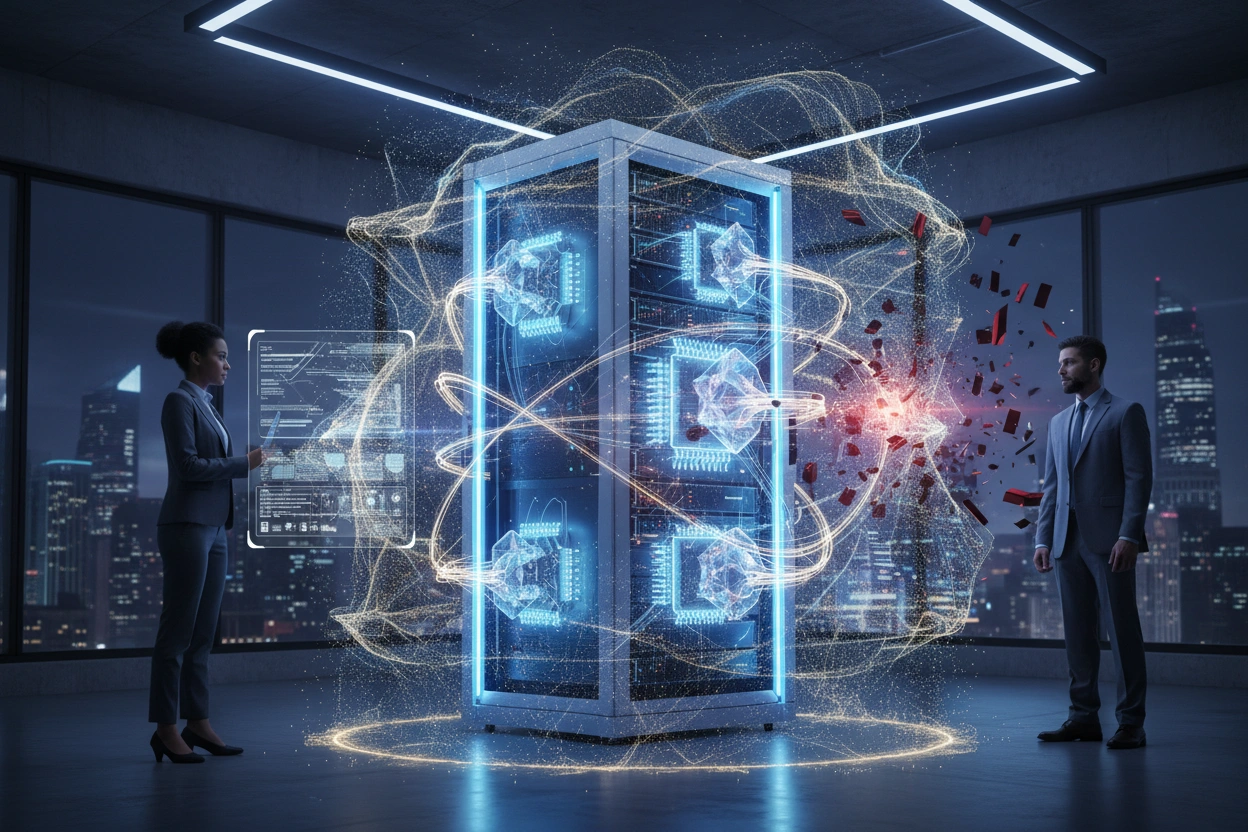
Quantum technology leverages the principles of quantum mechanics to process information in ways that classical systems cannot. This technology exploits phenomena such as superposition and entanglement, enabling it to perform complex calculations at unprecedented speeds. In the realm of cybersecurity, quantum technology presents both challenges and opportunities, particularly in enhancing encryption methods and securing communication channels.
The Significance of Quantum Applications
The integration of quantum applications in cybersecurity is not merely an advancement; it is a necessary evolution. Traditional encryption methods, such as RSA and AES, are increasingly vulnerable to sophisticated attacks, especially with the advent of traditional encryption methods. Quantum technology offers solutions that can withstand these threats, providing a new layer of security that is fundamentally different from classical approaches.
Exploring Quantum Encryption: Safeguarding Our Digital Future
One of the most promising applications of quantum technology in cybersecurity is quantum encryption. This method uses quantum bits, or qubits, to create encryption keys that are inherently secure.
How Quantum Encryption Works
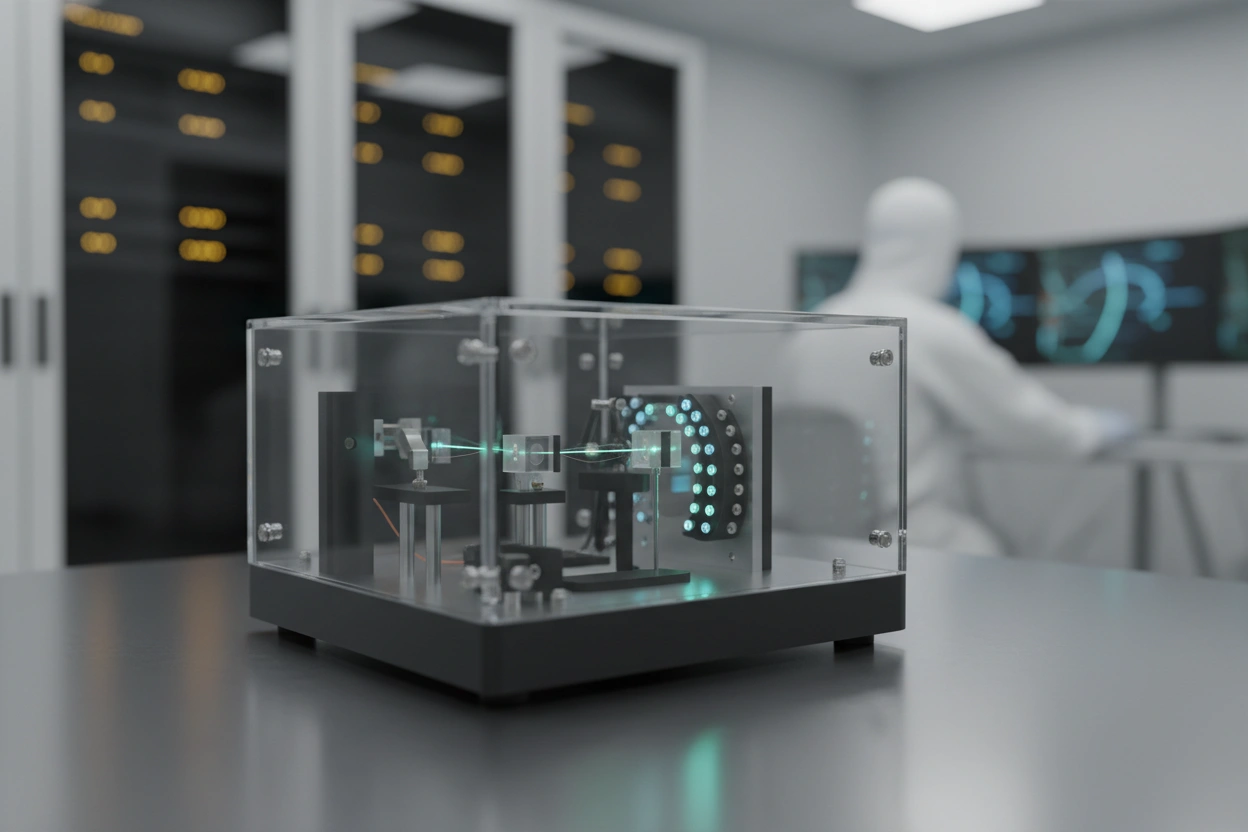
Quantum encryption relies on the principles of quantum mechanics to ensure that any attempt to intercept or measure the quantum state of a system will alter that state, thereby alerting the communicating parties to potential eavesdropping. This is achieved through a process known as Quantum Key Distribution (QKD), which allows two parties to generate a shared, random secret key that can be used for secure communication.
Key Benefits of Quantum Encryption
- Unbreakable Security: The laws of quantum physics provide a level of security that is theoretically unbreakable, as any interception attempts will be detected.
- Future-Proofing: As quantum computers develop, traditional encryption methods will likely become obsolete. Quantum encryption prepares organizations for this shift.
- Real-Time Threat Detection: The ability to detect eavesdropping in real-time enhances the overall security posture of organizations.
Quantum Random Number Generation: A Foundation for Security
Another critical application of quantum technology is quantum random number generation (QRNG). Randomness is essential in cryptographic systems, as it underpins the strength of encryption keys.
The Mechanisms of QRNG
Unlike classical random number generators, which can be predictable and vulnerable to attacks, QRNG utilizes quantum phenomena to produce truly random numbers. This is accomplished through the measurement of quantum states, which are inherently unpredictable.
Advantages of Quantum Random Number Generation
- Enhanced Cryptographic Strength: The unpredictability of quantum-generated numbers significantly increases the strength of encryption keys.
- Resistance to Attacks: QRNG systems are less susceptible to manipulation, ensuring that the generated numbers remain secure.
- Diverse Applications: QRNG can be utilized in various security protocols, including secure communications and blockchain technology.
Quantum Secure Communication: The Future of Data Transmission
Quantum secure communication leverages quantum technology to create communication channels that are immune to eavesdropping and interception.
The Principles of Quantum Communication
Quantum communication systems use quantum states to transmit information securely. By encoding data in quantum bits, these systems can ensure that any attempt to intercept the transmission will be detectable.
Benefits of Quantum Secure Communication
- Increased Privacy: Quantum secure communication provides a higher level of privacy than traditional methods, making it ideal for sensitive data transmission.
- Long-Distance Security: Advances in quantum repeaters allow for secure communication over long distances, breaking the limitations of classical systems.
- Integration with Existing Infrastructure: Quantum communication can be integrated with existing networks, enhancing security without requiring complete overhauls.
Quantum Blockchain: Revolutionizing Data Integrity
The integration of quantum technology into blockchain systems is another promising application, enhancing the security and integrity of data.
How Quantum Blockchain Works
Quantum blockchain combines traditional blockchain technology with quantum cryptography to create a more secure framework. By utilizing quantum signatures, transactions can be verified with a level of security that is unattainable with classical methods.
Advantages of Quantum Blockchain
- Immutability: The principles of quantum mechanics ensure that once data is added to the blockchain, it cannot be altered without detection.
- Enhanced Security: Quantum blockchain is resistant to quantum attacks, making it a future-proof solution for data integrity.
- Smart Contracts: The use of quantum technology can enhance the functionality of smart contracts, enabling more complex and secure agreements.
Quantum-Safe Algorithms: Preparing for the Quantum Era
As quantum technology continues to evolve, the need for quantum-safe algorithms becomes increasingly pressing. These algorithms are designed to be secure against potential attacks from quantum computers.
The Need for Quantum-Safe Algorithms
With the rise of quantum computing, traditional cryptographic algorithms are at risk of being rendered obsolete. Quantum-safe algorithms are specifically developed to withstand the capabilities of quantum attacks, ensuring continued security in the digital landscape.
Key Features of Quantum-Safe Algorithms
- Resilience Against Quantum Attacks: These algorithms are built to resist the computational power of quantum computers, providing a secure alternative.
- Standardization Efforts: Organizations like the National Institute of Standards and Technology (NIST) are actively working on standardizing quantum-safe algorithms to ensure widespread adoption.
- Transition Strategies: Implementing quantum-safe algorithms involves careful planning and transition strategies to avoid vulnerabilities during the shift.
The Future of Quantum Technology in Cybersecurity
As we look ahead, the integration of quantum technology into cybersecurity will undoubtedly reshape the landscape. Organizations must remain vigilant and proactive in adopting these emerging technologies to protect against evolving threats.
Common Misconceptions About Quantum Technology
Despite its potential, several misconceptions about quantum technology persist. Understanding these can help organizations make informed decisions.
- Quantum Technology is Only for Large Enterprises: In reality, quantum applications can benefit organizations of all sizes, enhancing security across various sectors.
- Quantum Technology is Too Complex to Implement: While there are challenges, many solutions are being developed to simplify the integration of quantum technology into existing systems.
- Quantum Security is Just a Fad: The threat of quantum computing is real and imminent, making the adoption of quantum technology essential for future security.
The Intersection of Quantum Technology and Cybersecurity with Outer Edge
The advent of quantum technology presents a transformative opportunity in the realm of cybersecurity. As organizations face increasingly sophisticated threats, understanding and implementing quantum applications can provide a significant competitive edge. The five essential applications outlined in this article—quantum encryption, quantum random number generation, quantum secure communication, quantum blockchain, and quantum-safe algorithms—demonstrate the versatility and power of quantum technology in enhancing security measures.
At Outer Edge, we are committed to helping organizations navigate the complexities of cybersecurity in the quantum era. Our expertise in quantum technology and its applications can assist in fortifying your security infrastructure against future threats.
To learn more about how Outer Edge can support your organization in leveraging quantum technology for enhanced cybersecurity, visit Outer Edge today. Together, we can secure your digital future.




.svg)



.png)


