As urbanization continues to accelerate, cities are increasingly turning to innovative technologies to address the challenges of sustainability, efficiency, and quality of life. Among these technologies, AI robotics has emerged as a pivotal force in transforming urban environments into sustainable smart cities. This article delves into the multifaceted role of AI robotics in shaping these cities, focusing on its applications, advantages, and the top trends for 2026 that will influence the future of AI robotics.
Understanding AI Robotics in Smart Cities
AI robotics refers to the integration of artificial intelligence (AI) with robotic systems to perform tasks that traditionally require human intervention. This technology is particularly relevant in smart cities, where the need for automation, data analysis, and efficient resource management is paramount. By leveraging AI robotics, cities can optimize infrastructure, enhance public services, and promote sustainable practices.
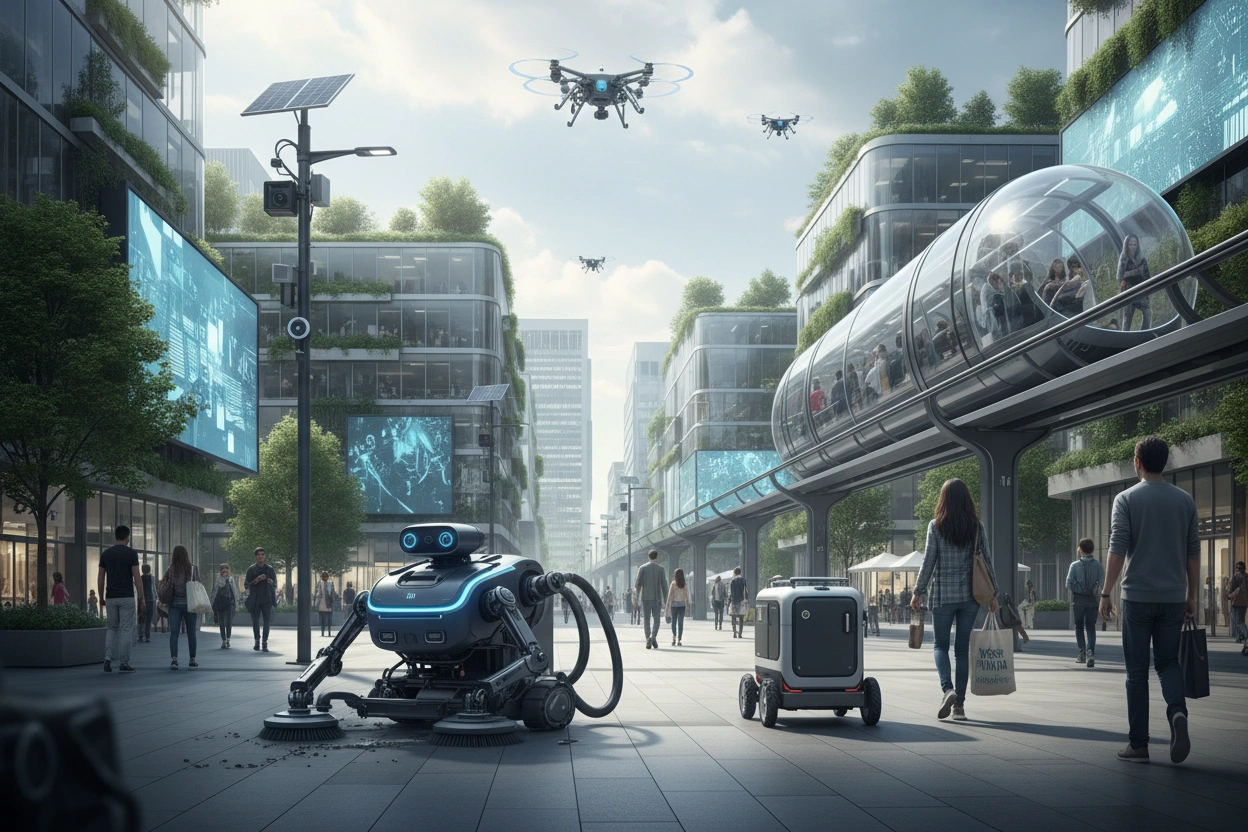
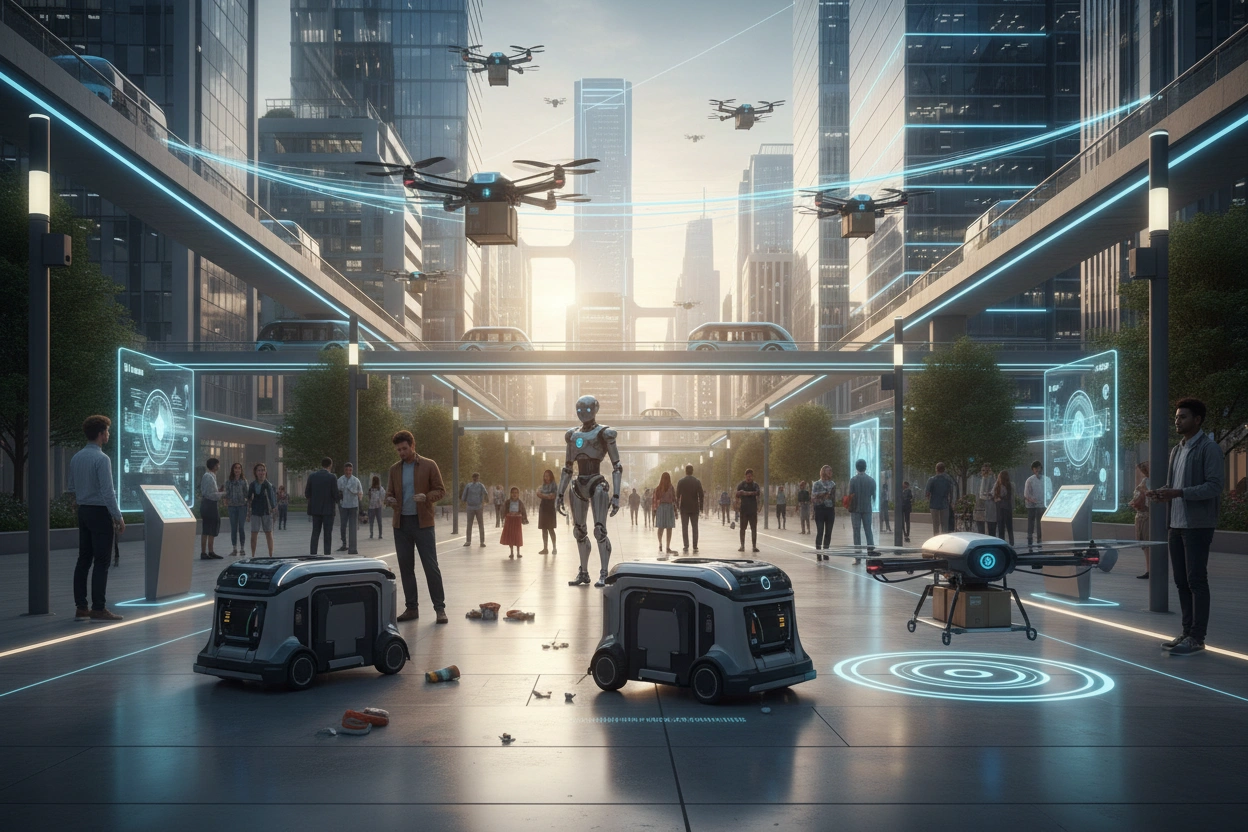
The role of AI robotics in smart cities encompasses a wide range of applications, from autonomous vehicles and drones to robotic assistants and smart waste management systems. These technologies not only improve operational efficiency but also contribute to the overall well-being of residents. For instance, AI-powered traffic management systems can reduce congestion and pollution, while robotic waste collectors can ensure cleaner urban environments.
Key Applications of AI Robotics in Sustainable Smart Cities
Autonomous Transportation Systems
- AI robotics enables the development of self-driving vehicles and drones, which can significantly reduce traffic congestion and emissions. These systems utilize real-time data to optimize routes and improve overall transportation efficiency.
Smart Waste Management
- Robotic systems equipped with AI can automate waste collection and sorting processes. By using sensors and machine learning algorithms, these robots can identify recyclable materials and reduce landfill waste, promoting a circular economy.
Urban Farming and Agriculture
- AI robotics can enhance urban agriculture by automating planting, harvesting, and monitoring processes. This not only increases food production in urban areas but also reduces the carbon footprint associated with transportation.
Public Safety and Security
- AI-powered surveillance drones and robots can monitor urban areas for security threats, ensuring the safety of residents. These systems can analyze data in real-time, allowing for quicker response times to emergencies.
Energy Management
- AI robotics can optimize energy consumption in buildings by automating heating, ventilation, and air conditioning (HVAC) systems. This leads to significant energy savings and reduced greenhouse gas emissions.
Top Trends in AI Robotics for 2026
As we move further into 2026, several trends are emerging in the field of AI robotics that will shape the future of smart cities. Understanding these trends is crucial for urban planners, policymakers, and technology developers alike.
1. Increased Adoption of Collaborative Robots (Cobots)
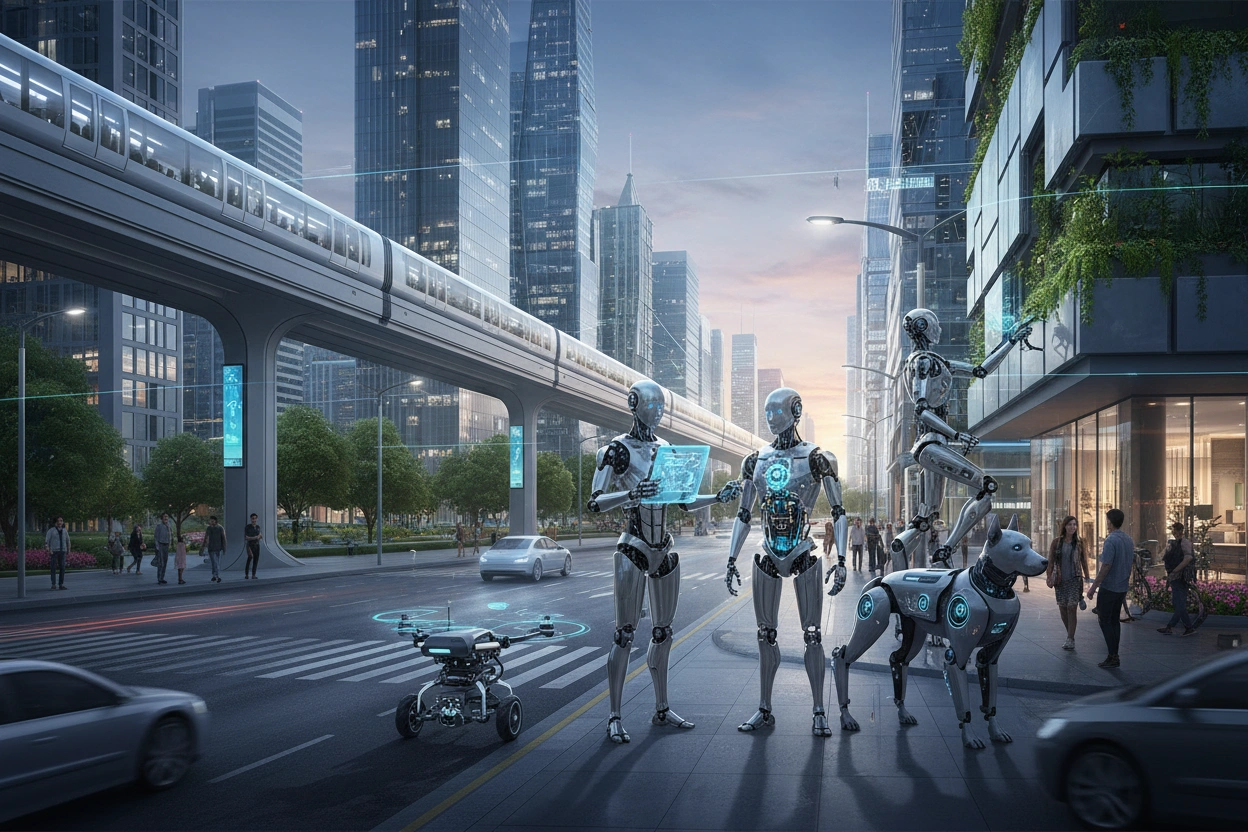
Cobots are designed to work alongside humans, enhancing productivity and safety in various sectors. In smart cities, cobots can assist in construction, maintenance, and even healthcare, providing support while minimizing risks. Their integration into urban environments will foster greater collaboration between humans and machines.
2. Advancements in Machine Learning and AI Algorithms
The continuous improvement of machine learning algorithms is making AI robotics more efficient and capable. In 2026, we can expect to see more sophisticated AI systems that can learn from their environments and adapt to changing conditions. This adaptability will enhance the effectiveness of robots in dynamic urban settings.
3. Integration of AI Robotics with IoT
The Internet of Things (IoT) is revolutionizing the way devices communicate and share data. In smart cities, the integration of AI robotics with IoT will facilitate real-time data exchange, enabling more informed decision-making and efficient resource management. For instance, smart traffic lights can communicate with autonomous vehicles to optimize traffic flow.
4. Focus on Ethical AI and Regulation
As AI robotics becomes more prevalent, ethical considerations and regulatory frameworks will become increasingly important. In 2026, we can expect cities to implement guidelines that ensure the responsible use of AI technologies, addressing concerns related to privacy, security, and bias.
5. Enhanced Energy Efficiency and Sustainability Practices
With a growing emphasis on sustainability, AI robotics will play a critical role in developing energy-efficient systems and practices. Innovations in robotic technology will enable cities to reduce their carbon footprints and enhance their resilience to climate change impacts.
Actionable Insights for Implementing AI Robotics in Smart Cities
For urban planners and city officials looking to leverage AI robotics, the following steps can guide the successful implementation of these technologies:
Conduct a Needs Assessment
- Identify specific challenges within the urban environment that AI robotics can address. This assessment should involve stakeholders from various sectors, including transportation, waste management, and public safety.
Invest in Research and Development
- Collaborate with research institutions and technology developers to explore innovative solutions. Funding R&D initiatives can lead to breakthroughs that enhance the capabilities of AI robotics.
Pilot Programs and Testing
- Before full-scale implementation, conduct pilot programs to test the effectiveness of AI robotic systems. These trials can provide valuable insights and allow for adjustments based on real-world performance.
Engage the Community
- Involve residents in discussions about AI robotics initiatives. Public engagement can help address concerns, gather feedback, and foster acceptance of new technologies.
Establish Regulatory Frameworks
- Develop guidelines and regulations that ensure the responsible deployment of AI robotics. These frameworks should address ethical considerations, safety standards, and data privacy issues.
Common Misconceptions About AI Robotics in Smart Cities
Despite the growing interest in AI robotics, several misconceptions persist. Addressing these misconceptions is crucial for fostering a better understanding of the technology's potential.
Misconception 1: AI Robotics Will Replace Human Jobs
One of the most prevalent fears is that AI robotics will lead to widespread job loss. In reality, while some jobs may become automated, AI robotics is more likely to create new opportunities by enhancing productivity and allowing humans to focus on higher-value tasks.
Misconception 2: AI Robotics Is Only for Large Cities
Many people believe that only large metropolitan areas can benefit from AI robotics. However, even smaller cities and towns can leverage these technologies to improve public services and enhance sustainability efforts.
Misconception 3: AI Robotics Is Too Expensive
While initial investments in AI robotics may seem high, the long-term benefits often outweigh the costs. Improved efficiency, reduced operational expenses, and enhanced quality of life can lead to significant savings for cities over time.
The Future of AI Robotics in Sustainable Smart Cities
As we look ahead to the future of AI robotics in sustainable smart cities, it is clear that the potential for innovation and improvement is vast. By embracing these technologies, cities can not only enhance their operational efficiencies but also improve the quality of life for their residents. The trends for 2026 indicate a growing reliance on collaborative robots, enhanced machine learning capabilities, and a stronger focus on ethical considerations in AI deployment.
Moreover, the integration of AI robotics with IoT and other emerging technologies will pave the way for smarter, more connected urban environments. This interconnectedness will enable cities to respond proactively to challenges, from climate change to public safety, ultimately fostering a more sustainable future.
The Intersection of AI Robotics and Sustainable Urban Development
As we have explored throughout this article, AI robotics plays a crucial role in shaping sustainable smart cities. The potential applications are vast, and the benefits are significant, ranging from improved public services to enhanced environmental sustainability.
At Outer Edge, we understand the importance of harnessing technology to create better urban environments. Our expertise in integrating innovative solutions can help cities leverage AI robotics effectively. If you're interested in learning more about how AI robotics can transform urban sustainability, we invite you to explore our resources.
To discover how Outer Edge can assist you in applying these insights and strategies, contact Outer Edge today. Together, we can pave the way for smarter, more sustainable cities.




.svg)





.png)


